
Wednesday English Adventure!
Hello, young English explorers! Today is Wednesday, August 26, 2026. Get ready to talk about cartoons, collectibles, Chilean treats, books, music, hobbies, and school. Read aloud, try the new words, and remember: every mistake helps your English grow!
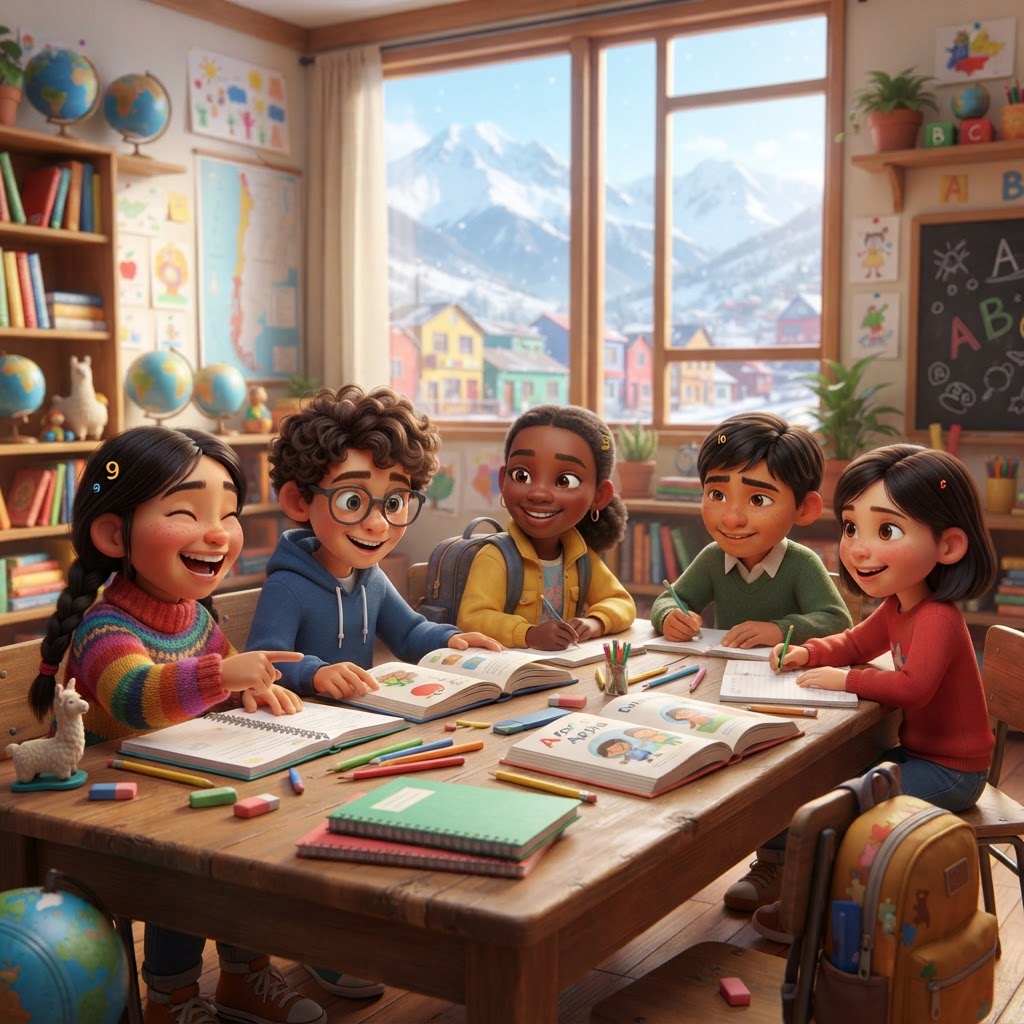
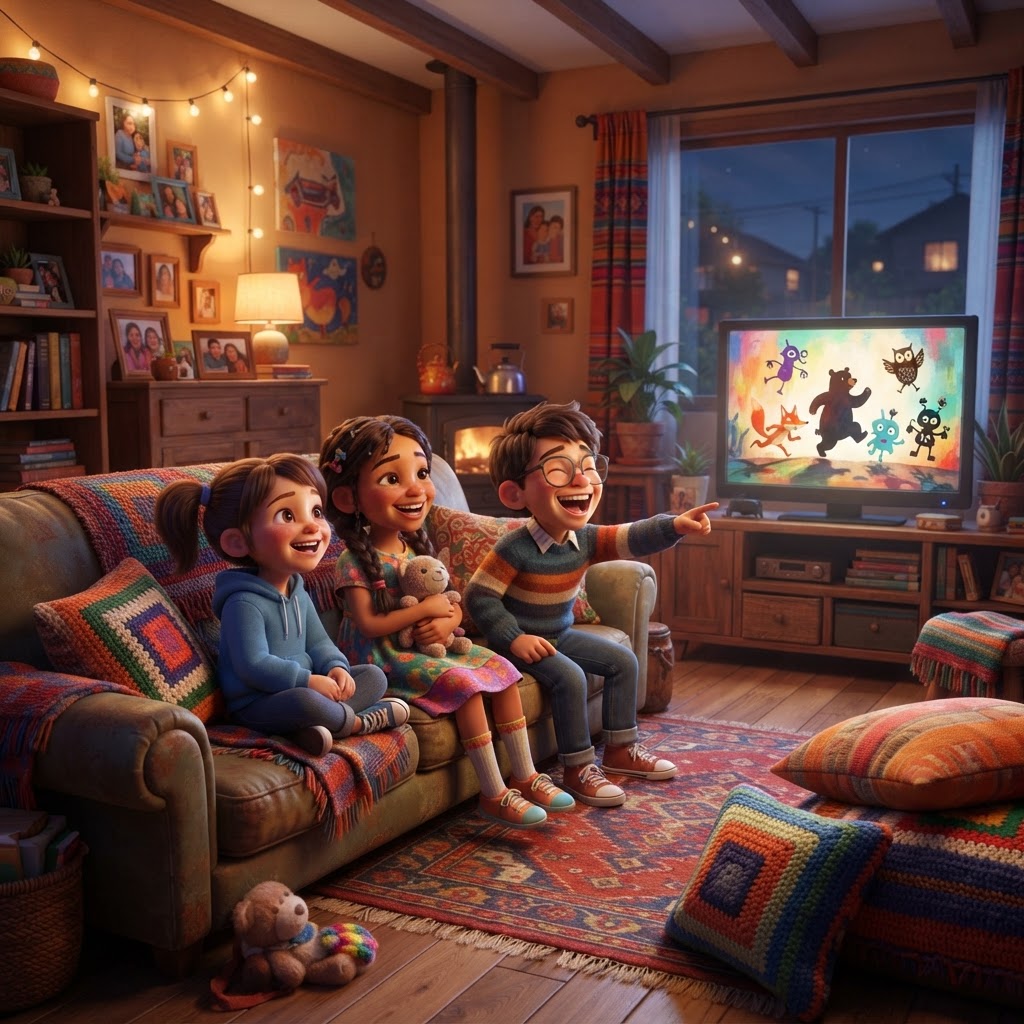
Cartoons Kids Are Watching in Chile
Many children in Chile enjoy funny, exciting, and imaginative shows. Bluey tells warm stories about games and family life. Pokémon Horizons follows young adventurers and amazing creatures. Kids also watch Miraculous, SpongeBob SquarePants, and Chile's own silly puppet characters from 31 Minutos.
Useful phrase: My favorite character is funny and brave.
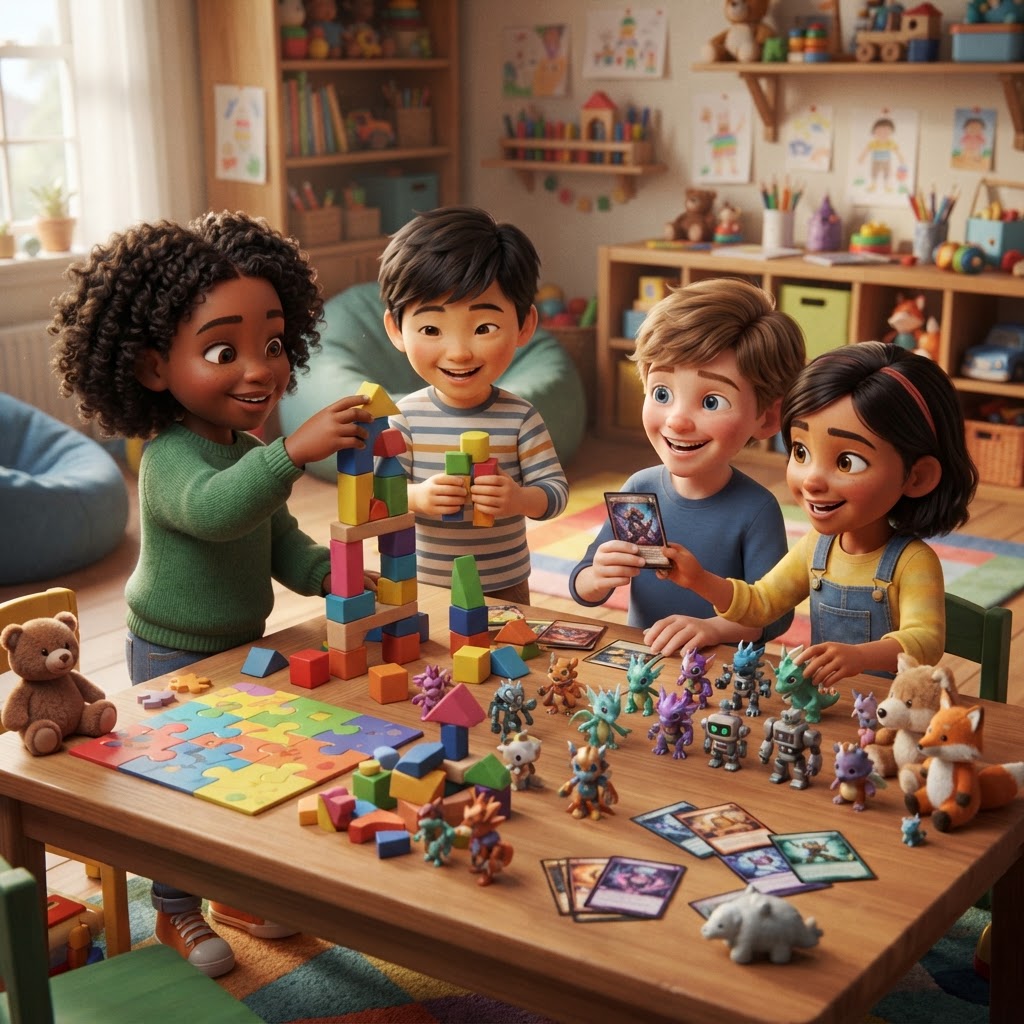
Toys & Collectibles
Building blocks, mini figures, plush animals, trading cards, puzzles, and board games are fun choices. Some children collect Pokémon cards or small surprise figures. Others create giant worlds with blocks or play strategy games with friends.
Collecting can teach you to organize, trade fairly, and care for your things. Always ask an adult before buying or trading something.
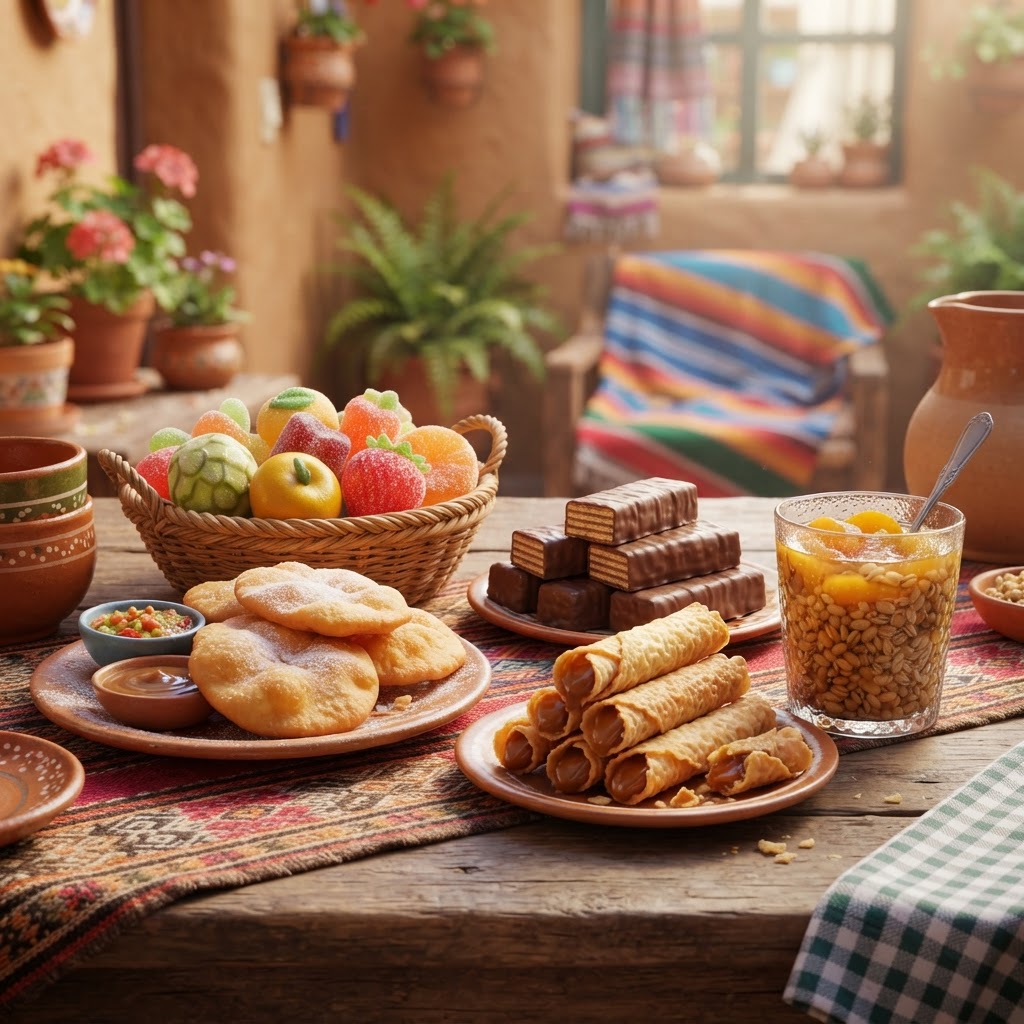
Sweet Treats & Candies
Chile has many colorful treats. Frugelé candies are soft and fruity. Super 8 has crispy wafers covered with chocolate, and Chocman is a soft chocolate-covered cake. Cuchuflí is a crunchy rolled wafer that may contain manjar. At home or at a celebration, you may also enjoy sopaipillas or mote con huesillos.
Try this sentence: I like cuchuflí because it is sweet and crunchy. Treats are delicious, but enjoy a small amount and remember to brush your teeth!
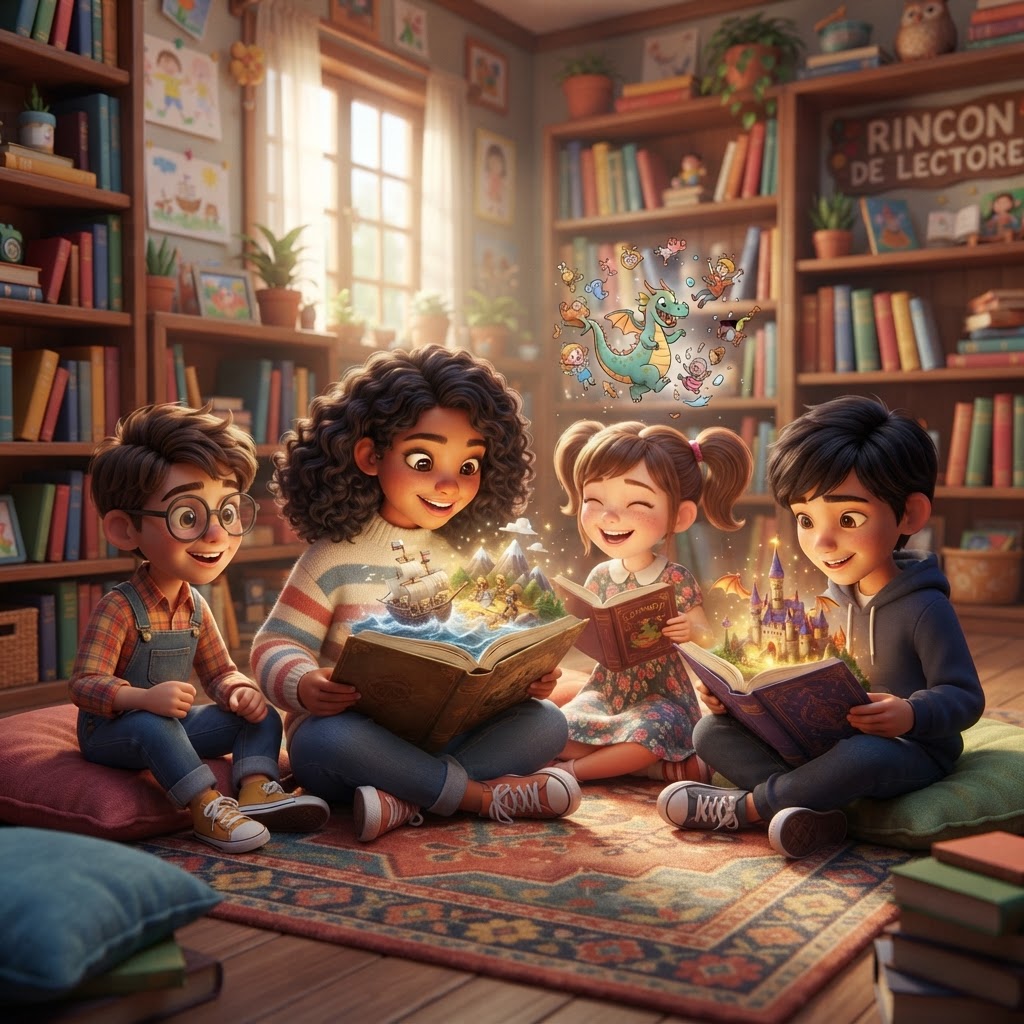
Books & Stories
Papelucho is a classic Chilean book series about a curious boy and his everyday adventures. Readers may also enjoy Diary of a Wimpy Kid, Dog Man, Harry Potter, or Percy Jackson, depending on their reading level.
Start with five or ten minutes of English reading. Look at the pictures, find familiar words, and guess what happens next. You do not need to understand every word!
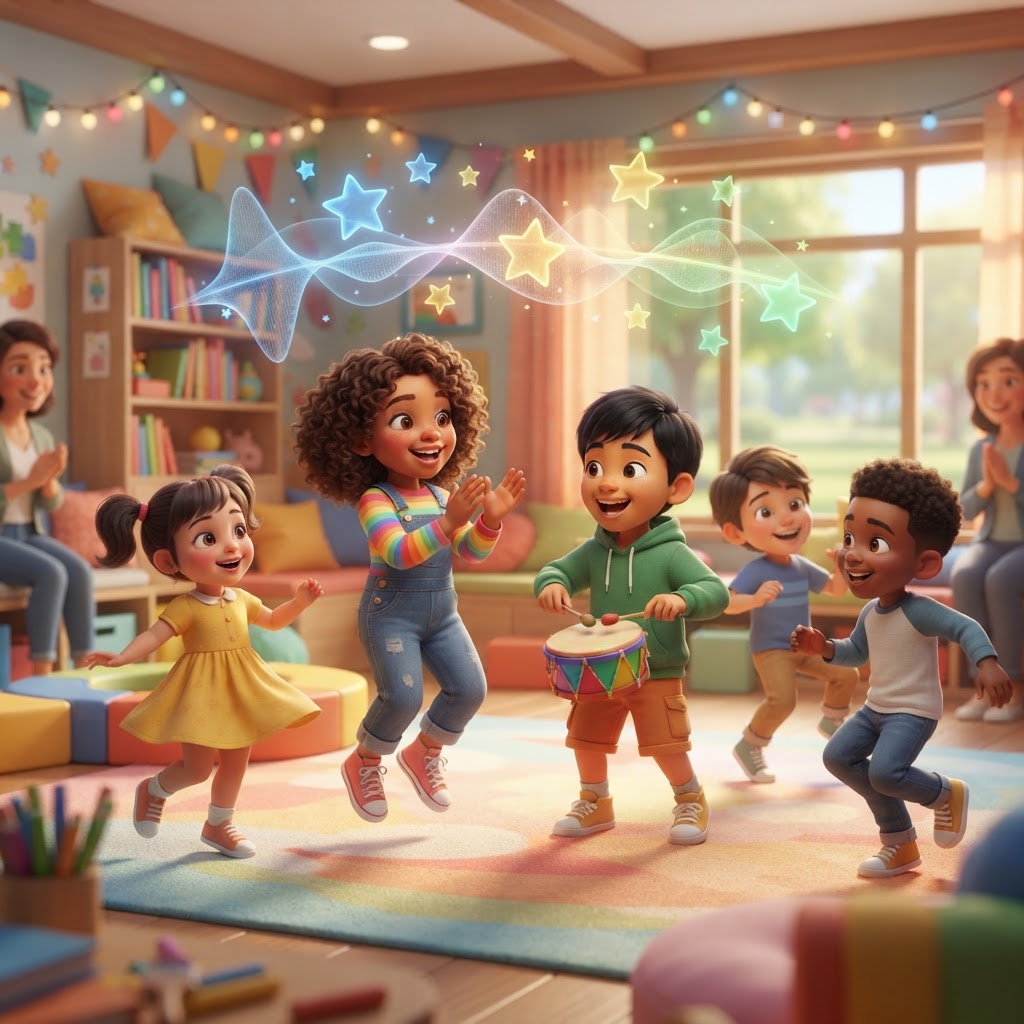
Music & Dance
Kids in Chile enjoy energetic K-pop, family-friendly Latin pop, animated-movie soundtracks, and funny songs from 31 Minutos. Music is a great English teacher because repeated lyrics help you remember pronunciation and vocabulary.
Choose a family-friendly song, clap to the beat, and learn one short line. You can also invent a dance with your friends. Keep the volume at a safe level.
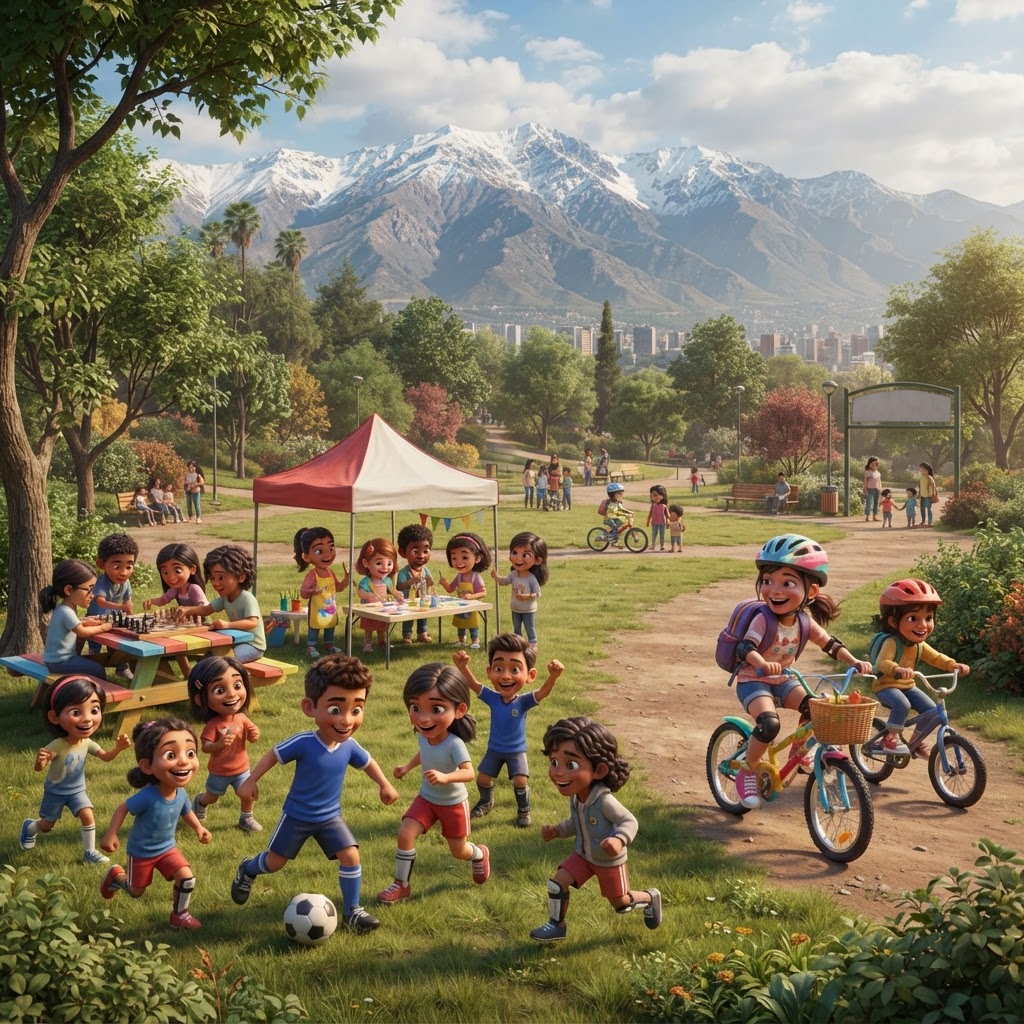
Hobbies & After-School Fun
Football, basketball, skating, cycling, dancing, drawing, crafts, chess, gaming, and coding are popular ways to have fun after school. Some children also hike with their families and explore Chile's beaches, parks, mountains, or countryside.
Ask a friend: What do you like doing after school? You can answer: I like playing football or I like drawing animals.
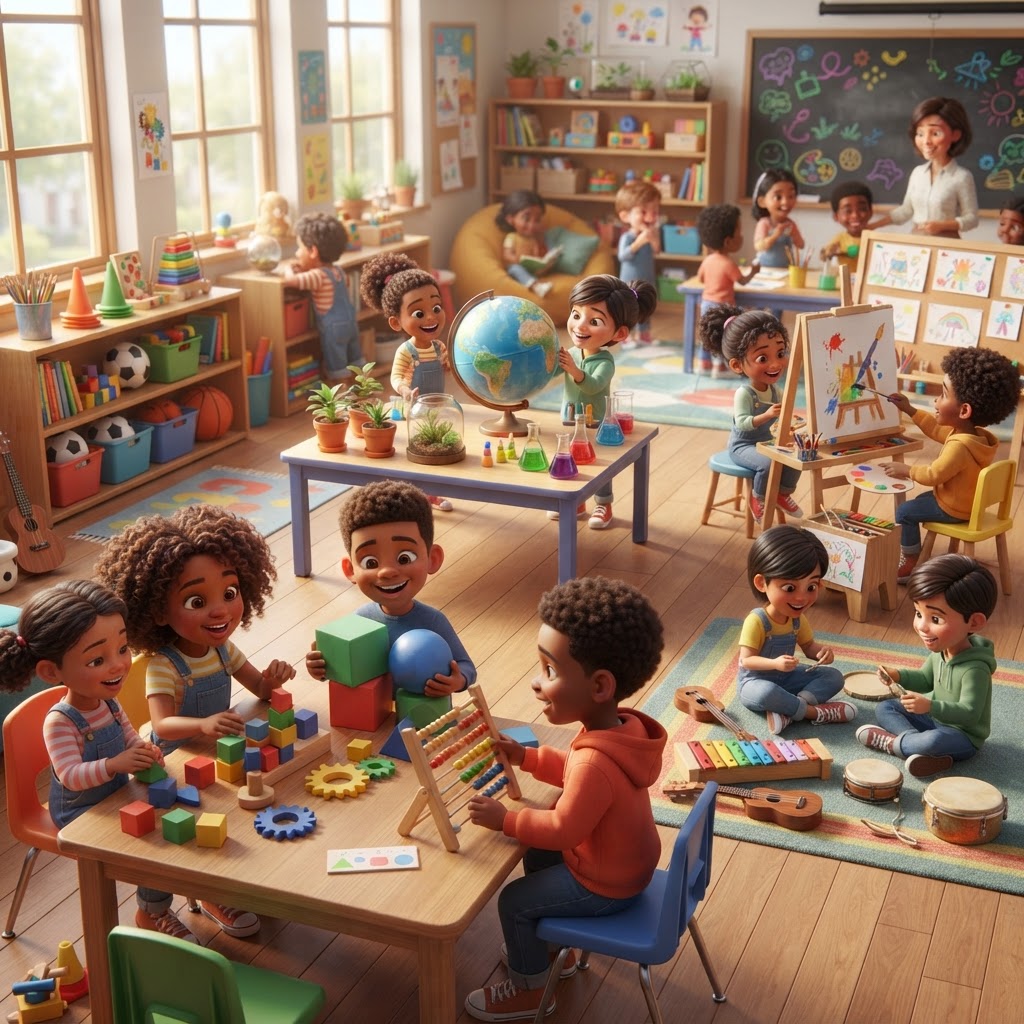
School Subjects Vocabulary
Maths — Matemáticas: We solve a maths problem.
Science — Ciencias: We learn about plants in science.
History — Historia: I read about ancient people in history.
Geography — Geografía: We find Chile on the map in geography.
Language — Lenguaje: I write a story in language class.
Art — Arte: She paints a colorful bird in art.
Music — Música: He plays a rhythm in music class.
Physical Education — Educación Física: We run and play games in physical education.
Challenge: Say the name of your favorite subject in English and explain why you like it.
Grammar Power-Up
1. Present Simple
Explicación: Usamos el presente simple para hablar de rutinas, hábitos y cosas que ocurren regularmente. Con he, she o it, normalmente agregamos -s al verbo.
English: I read after school. She reads before dinner.
Español: Yo leo después de la escuela. Ella lee antes de la cena.
2. Like + verb-ing
Explicación: Para hablar de actividades que nos gustan, podemos usar like seguido de un verbo terminado en -ing.
English: We like playing basketball.
Español: Nos gusta jugar básquetbol.
Quick Quiz
Which Chilean book character is a curious boy?
A. Papelucho
B. Bluey
C. Percy JacksonWhat can collecting teach you?
A. To skip homework
B. To organize and trade fairly
C. To eat more candyWhich sentence correctly describes a hobby you enjoy?
A. I like draw animals.
B. I liking drawing animals.
C. I like drawing animals.
Fantastic work! Check your answers, say one new word aloud, and come back tomorrow for another English adventure.