
English Fun for Saturday, August 29!
Hello, English explorers! It is a cool late-winter day in Chile. Today we will talk about cartoons, toys, sweet treats, stories, music and hobbies. You will also learn useful school words and two grammar tricks. Are you ready? Let’s go!
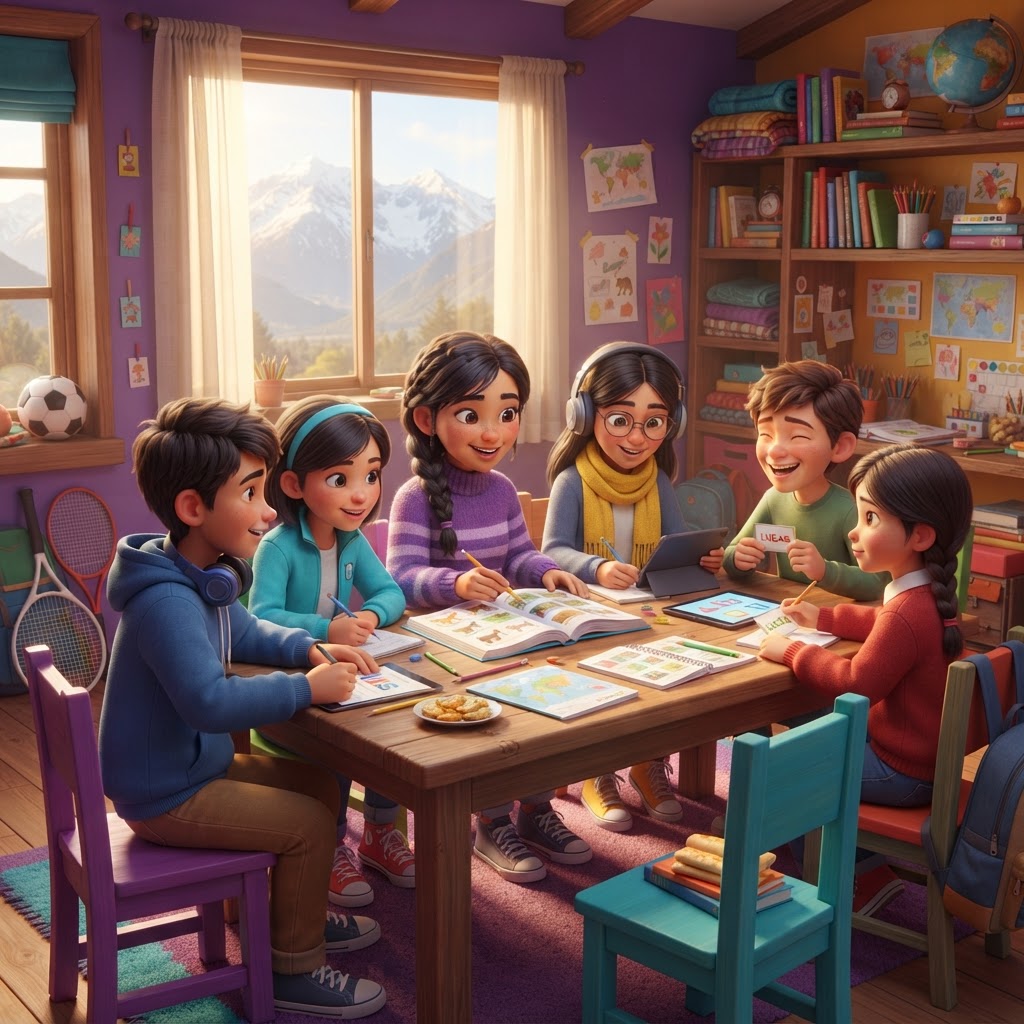
Cartoons Kids Are Watching in Chile
Children in Chile can watch cartoons on television and streaming services. Current favorites include Bluey, Pokémon Horizons, Miraculous, Teen Titans Go! and SpongeBob SquarePants.
Cartoons can help you practise English. Choose a short episode that you already know. Watch it with English audio and English subtitles. Listen for simple phrases such as “Let’s go,” “Good idea” and “I can help!” You do not need to understand every word.

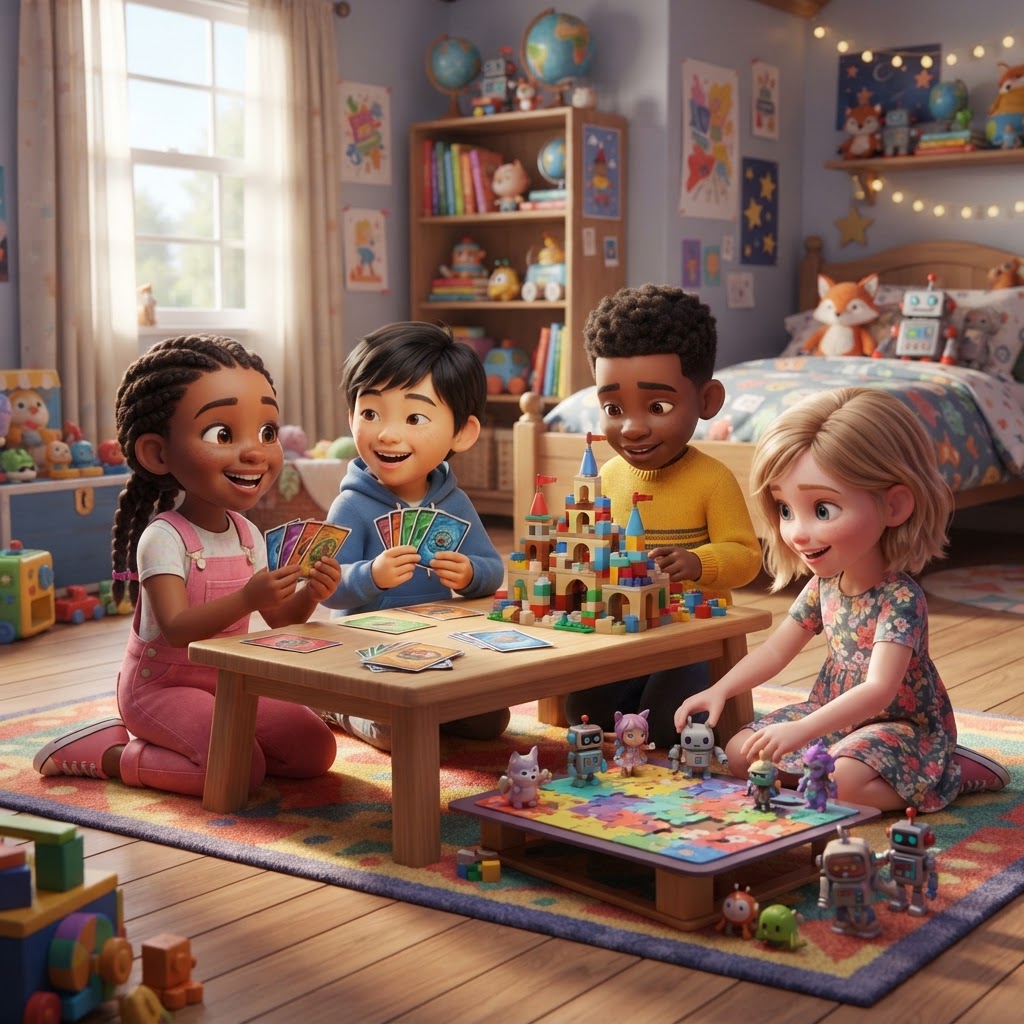
Toys & Collectibles
Trading cards, building bricks, mini figures, soft plush toys and colorful craft kits are fun choices. Many children also enjoy board games, puzzles and games that use strategy.
You can use English while playing. Say “It’s your turn,” “I found a piece,” “Let’s build a tower” or “Good game!” If you collect cards or figures, sort them by color, size or type and describe them in English.
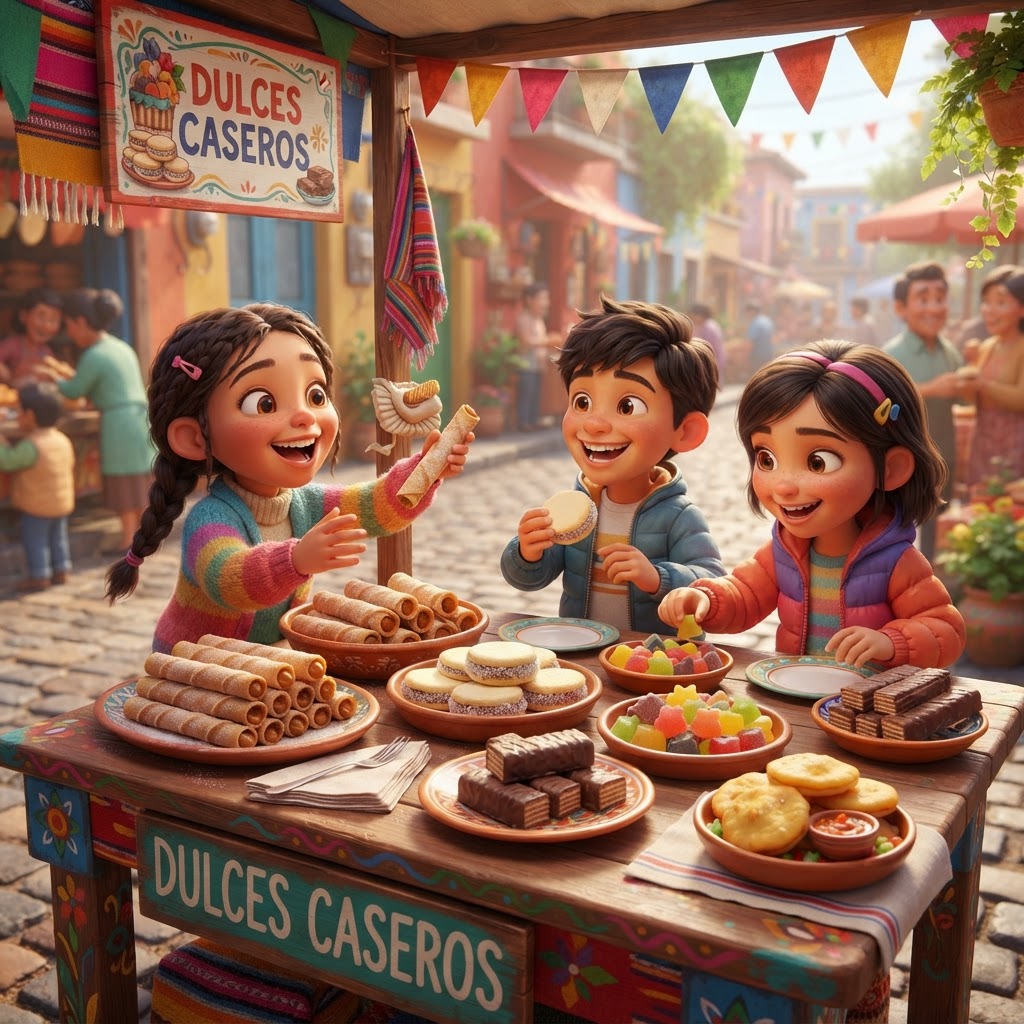
Sweet Treats & Candies
Popular treats in Chile include cuchuflí filled with manjar, alfajores, Super 8 wafers, Chocman cakes and Frugelé fruit gummies. Some children also enjoy sopaipillas on a cold afternoon.
Here is a taste challenge: Is the snack sweet, crunchy, soft or chewy? Try saying, “My alfajor is soft and sweet.” Treats are special foods, so enjoy a small amount and remember to care for your teeth.
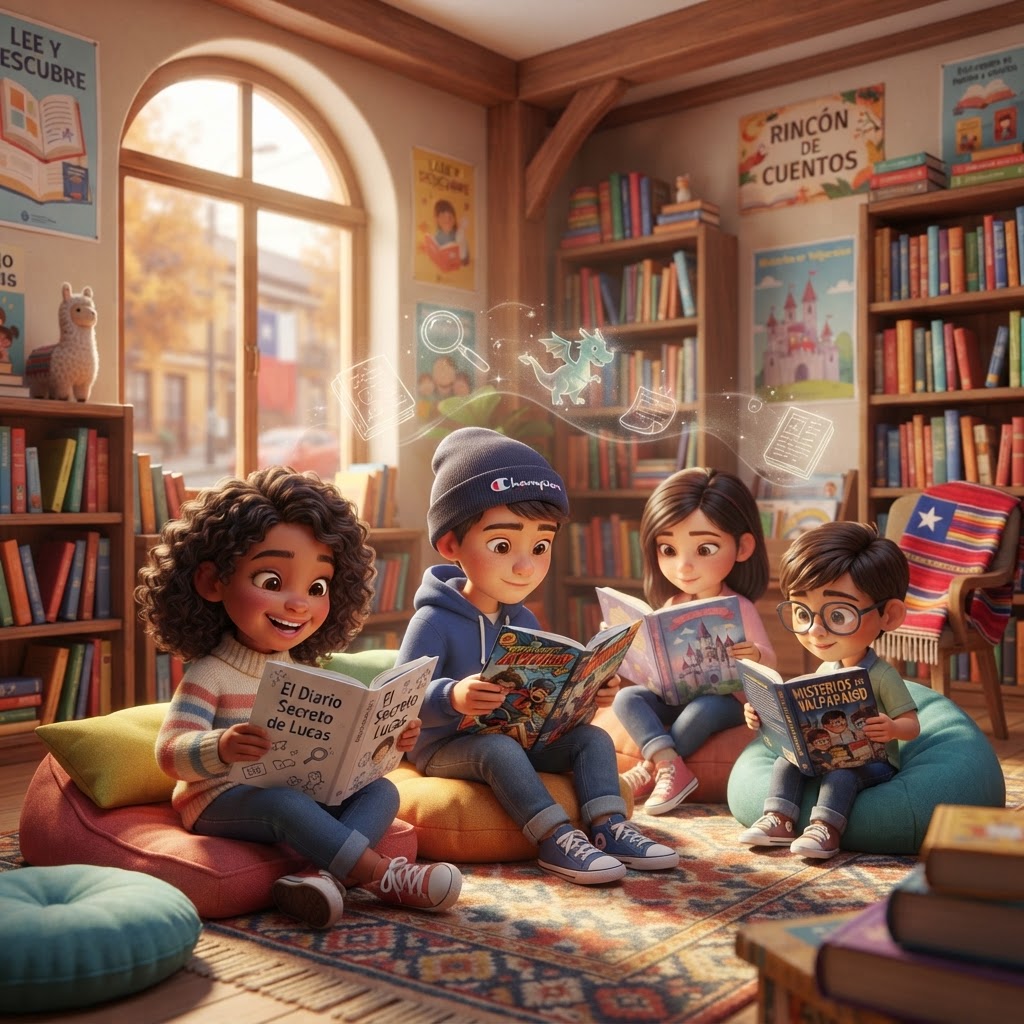
Books & Stories
Reading is a great adventure. Chilean readers may know the funny diary stories in Papelucho and the mysteries of Quique Hache, Detective. International favorites include Percy Jackson, Diary of a Wimpy Kid and many colorful graphic novels.
To practise English, begin with a comic, a short story or a book you have read in Spanish. Look at the pictures, find five new words and tell someone about your favorite character.
Music & Dance
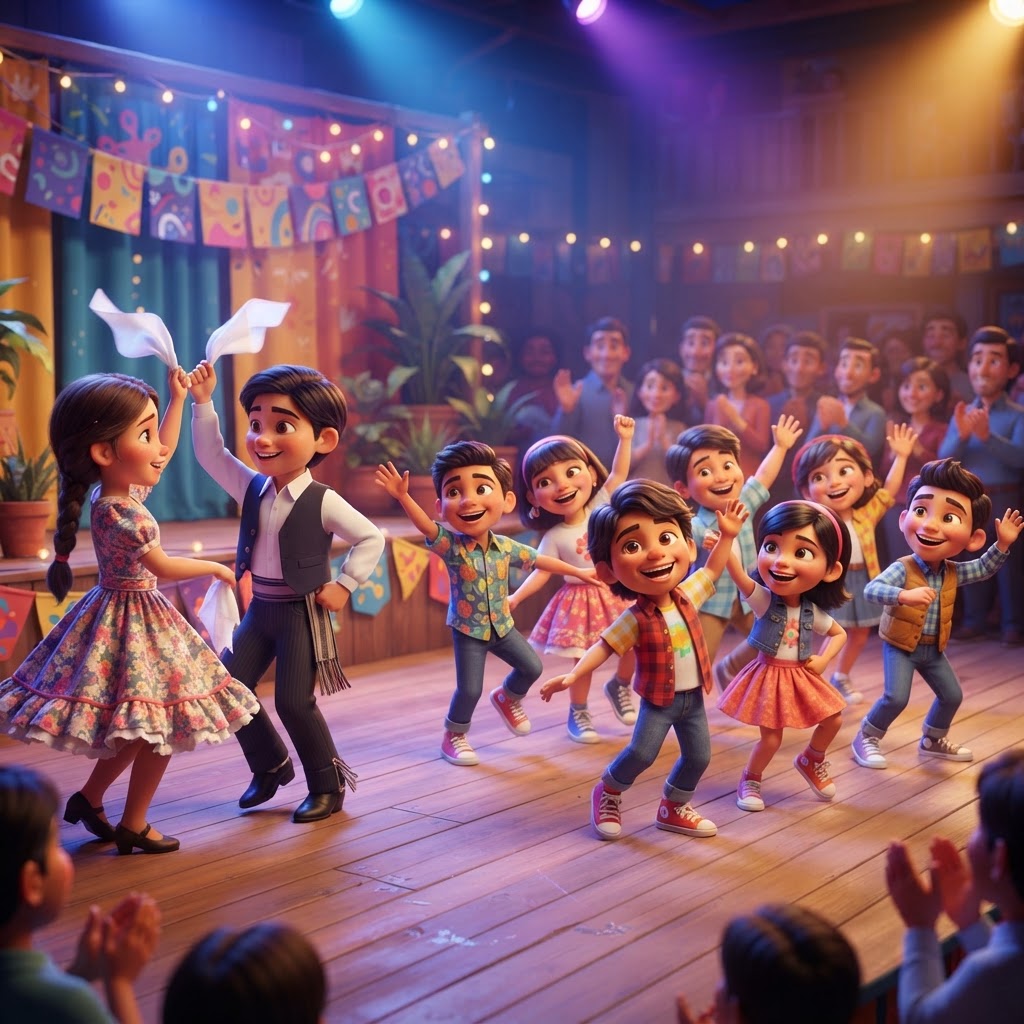
Many young listeners enjoy family-friendly K-pop, animated-movie soundtracks and clean pop playlists. Songs from KPop Demon Hunters have also inspired singing and dance routines. In Chile, children can have fun with cueca, cumbia and music for Fiestas Patrias.
Choose music approved by your family. Clap to the beat, copy a safe dance routine or listen for repeated English words. Music makes pronunciation practice feel like a game!
Hobbies & After-School Fun
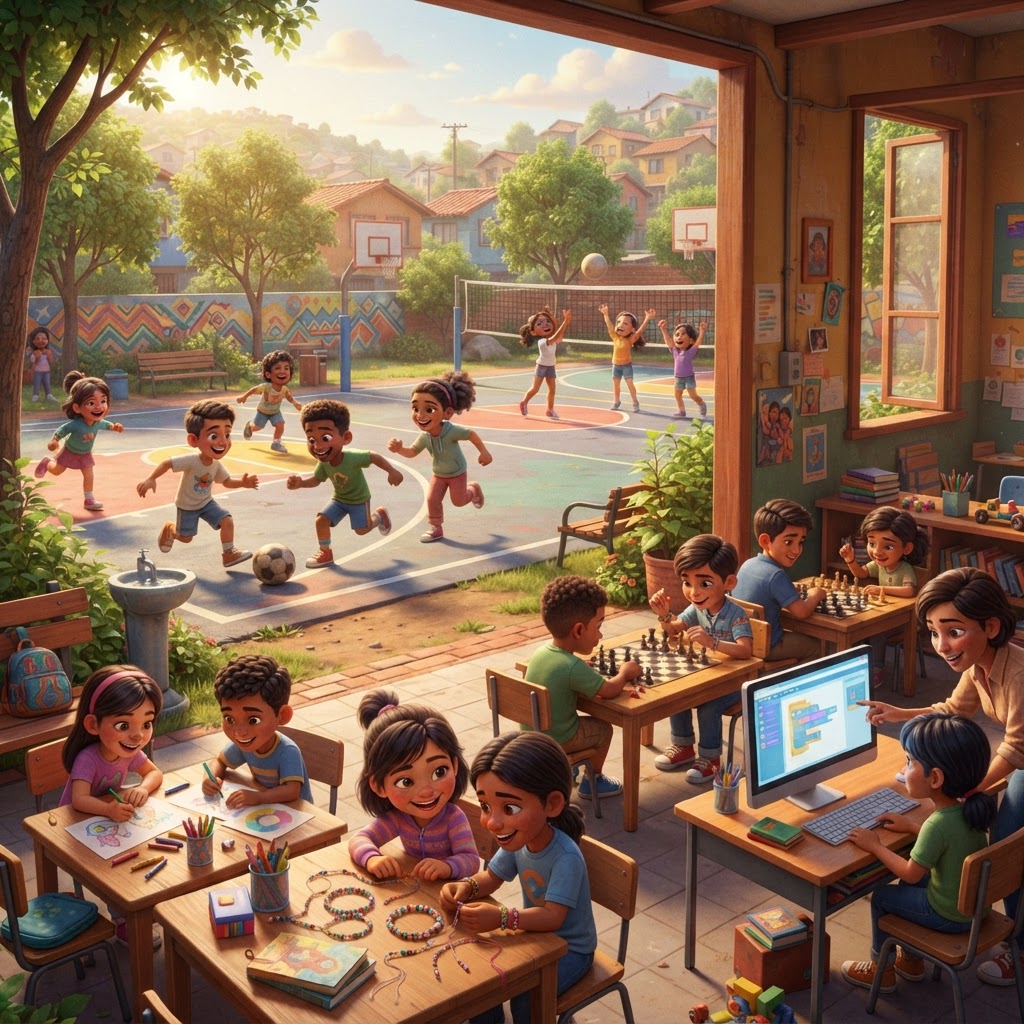
Football is very popular, but children also enjoy basketball, volleyball, skating, cycling, swimming and martial arts. Indoor hobbies include drawing, crochet, bracelet-making, chess, coding and baking with an adult.
Try an English hobby journal. Write one short sentence after each activity: “I scored a goal,” “I drew a fox” or “I made a blue bracelet.” Small sentences create big progress!
School Subjects Vocabulary
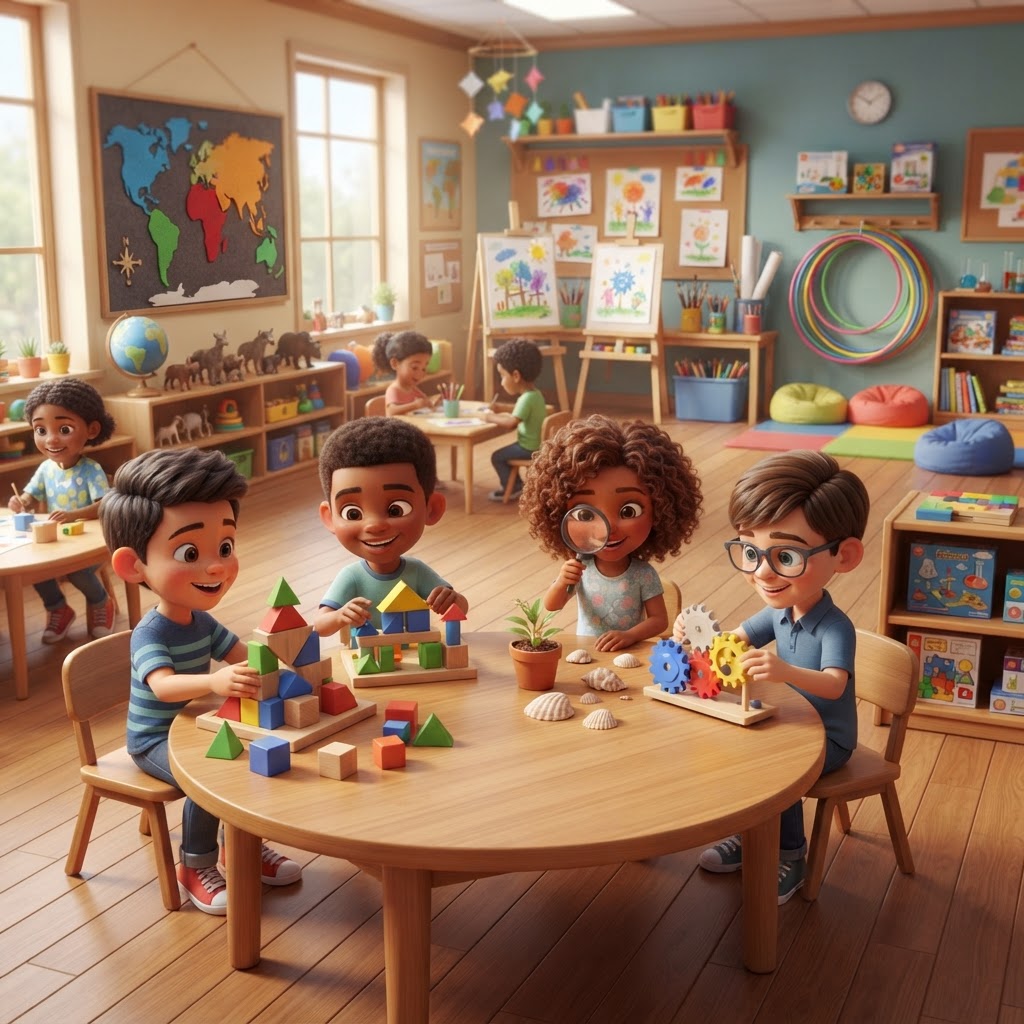
Use these words to talk about your school day:
- Mathematics — Matemáticas: “We solve problems in mathematics.”
- Science — Ciencias: “I learn about plants in science.”
- History — Historia: “We study the past in history.”
- Geography — Geografía: “We find Chile on a map in geography.”
- Language Arts — Lenguaje: “I write a story in Language Arts.”
- Art — Artes: “I paint a colorful bird in art.”
- Physical Education — Educación Física: “We play volleyball in Physical Education.”
- Homework — Tarea: “I finish my homework after school.”
Grammar Power-Up
1. Like, love and enjoy + -ing
Explicación: Después de like, love y enjoy, podemos usar un verbo terminado en -ing para hablar de actividades que nos gustan.
English: I enjoy reading comics.
Español: Disfruto leer cómics.
2. Present simple with he, she and it
Explicación: En presente simple, normalmente agregamos -s al verbo cuando el sujeto es he, she o it. Por ejemplo, play cambia a plays.
English: She plays volleyball after school.
Español: Ella juega vóleibol después de la escuela.

Quick Quiz
What can help you understand an English cartoon?
A. English subtitles
B. Closing your eyes
C. Turning off the soundWhich Chilean treat can be filled with manjar?
A. Cuchuflí
B. An apple
C. A sandwichWhich sentence follows today’s grammar rule?
A. She play volleyball.
B. She plays volleyball.
C. She playing volleyball.
You did it! Keep listening, reading and speaking. Every English word you practise is a new tool for your next adventure.