
Hello, English Explorers!
Today is Wednesday, September 2, 2026. Are you ready for a fun English adventure? We will talk about cartoons, toys, Chilean treats, books, music, hobbies and school. Read, smile and learn something new!
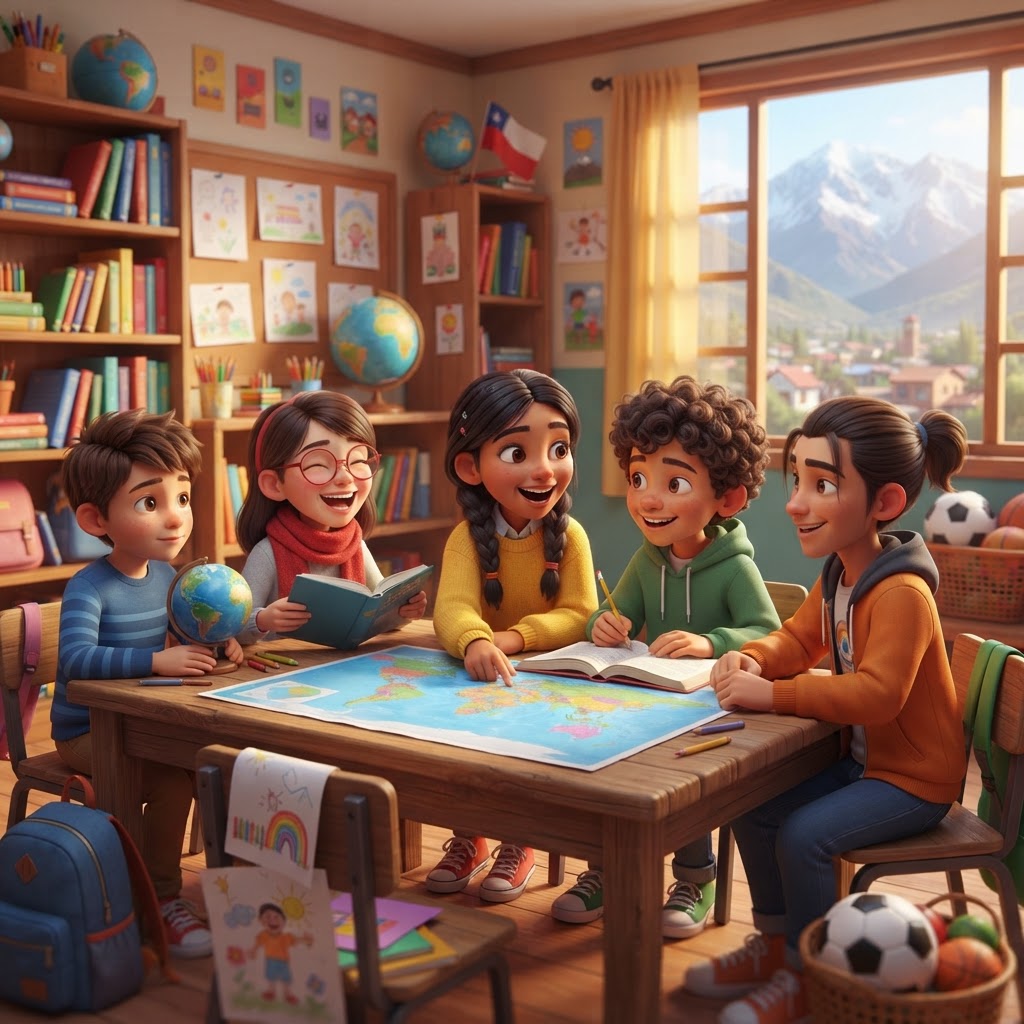
Cartoons Kids Are Watching in Chile
Many children in Chile enjoy funny and exciting animated shows on television and streaming platforms. Bluey tells warm stories about family and play. Miraculous: Tales of Ladybug & Cat Noir has superheroes, friendship and adventures. Kids also watch SpongeBob SquarePants, Teen Titans Go! and Pokémon adventures.
When you watch a cartoon in English, try to find three words you know. You can also repeat one short sentence spoken by a character!
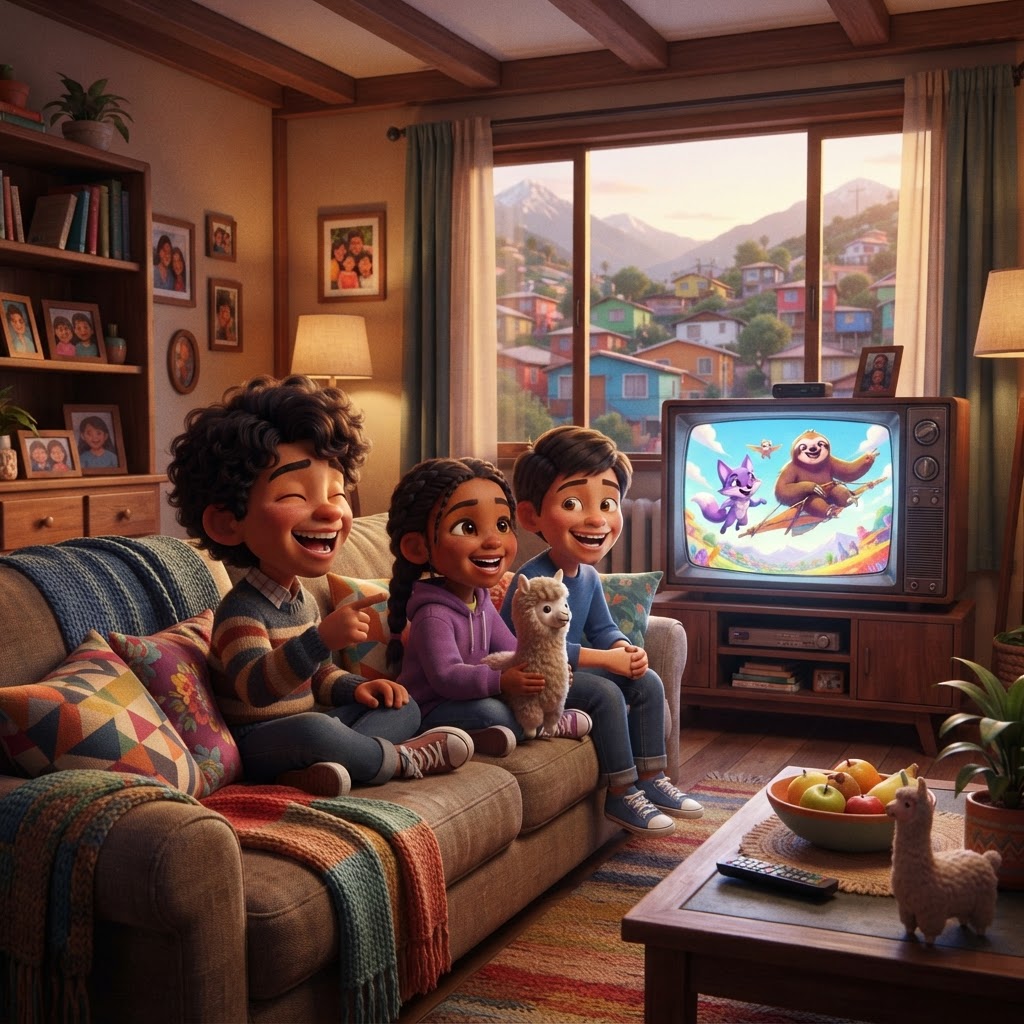
Toys & Collectibles
Building bricks, plush animals, dolls, miniature cars and board games are fun choices. Trading cards and collectible figures are also exciting because friends can compare and trade them fairly.
Games such as Dobble, UNO and chess are great for family time. Some kids also create digital worlds in Minecraft or Roblox. Remember to balance screen time with movement, rest and outdoor play.
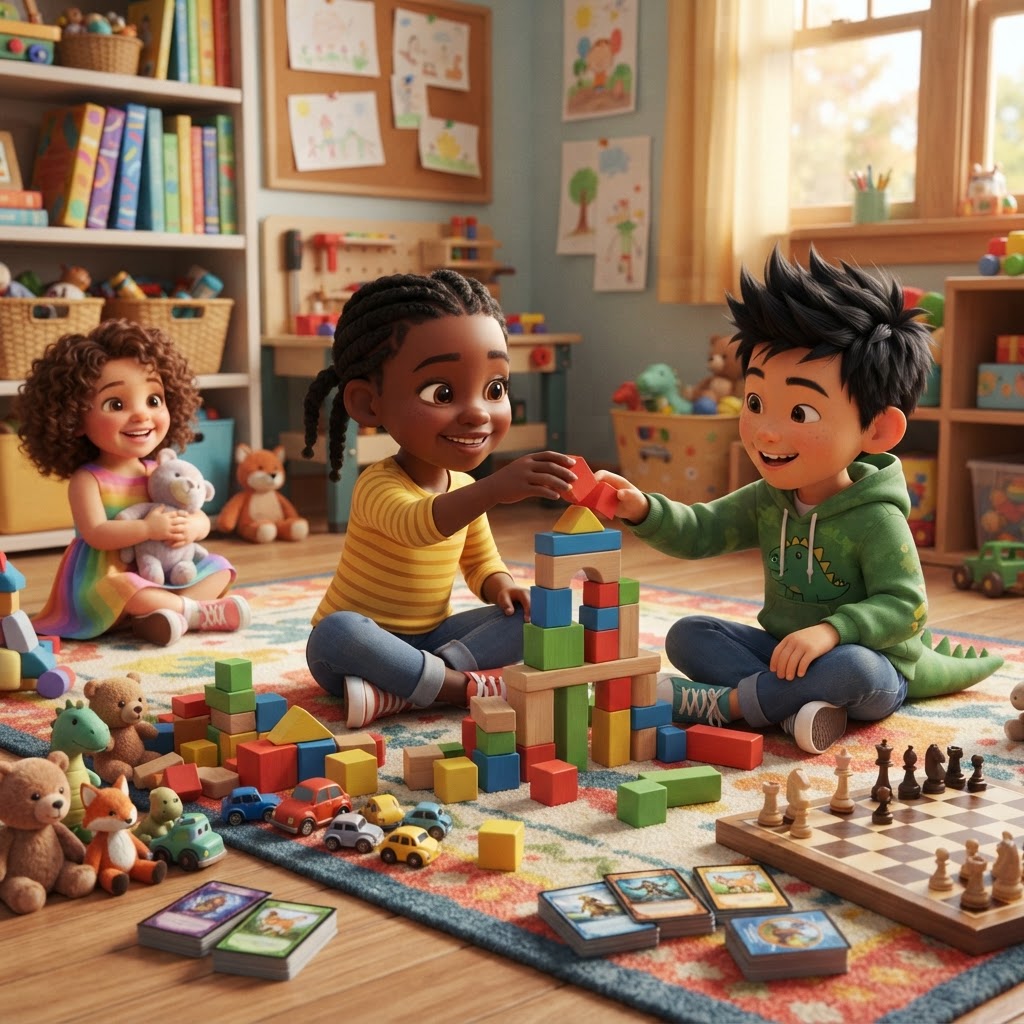
Sweet Treats & Candies
Chile has many famous sweet treats. A cuchuflí is a crispy rolled wafer that can contain manjar. Super 8 is a chocolate-covered wafer, and Frugelé candies are small, chewy and fruity. Chokita, Suny and alfajores are other treats many families know.
Sweets are delicious, but they are best as an occasional treat. Drink water and remember to brush your teeth!
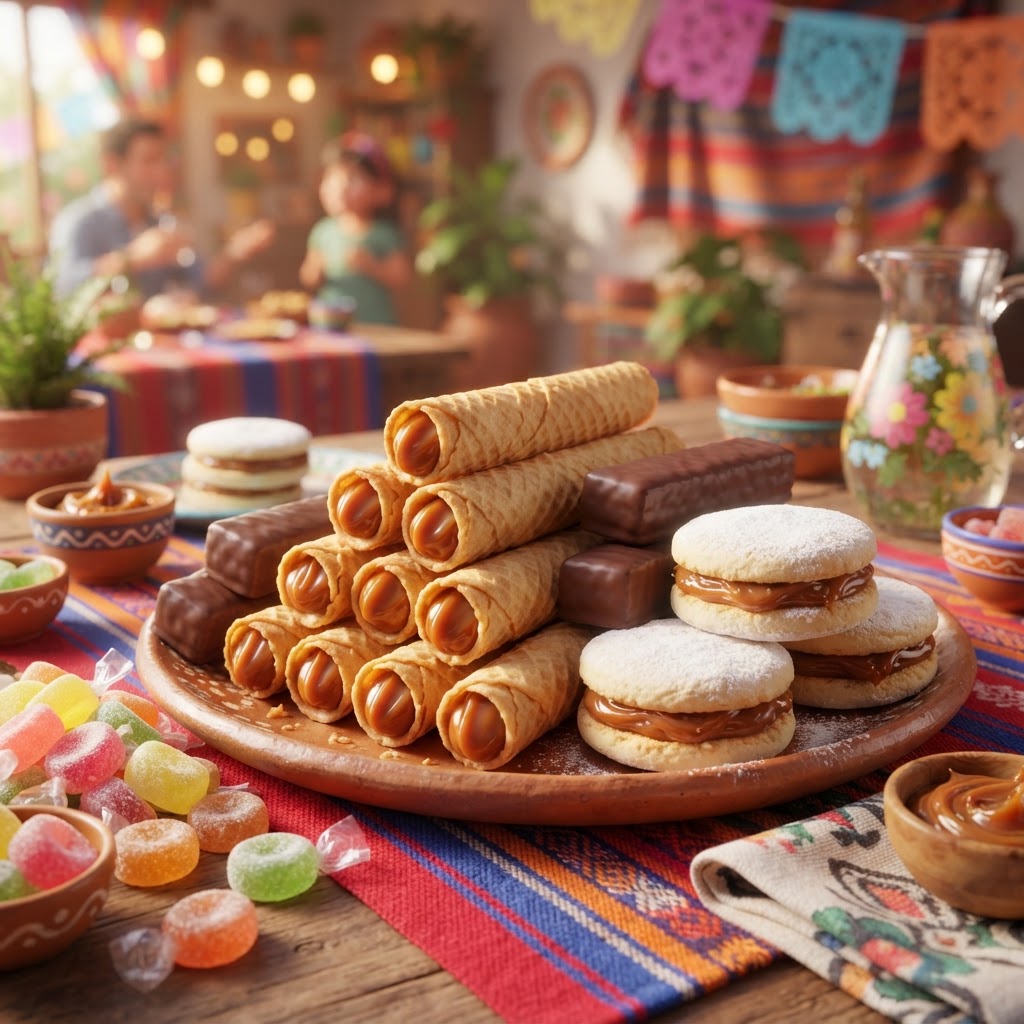
Books & Stories
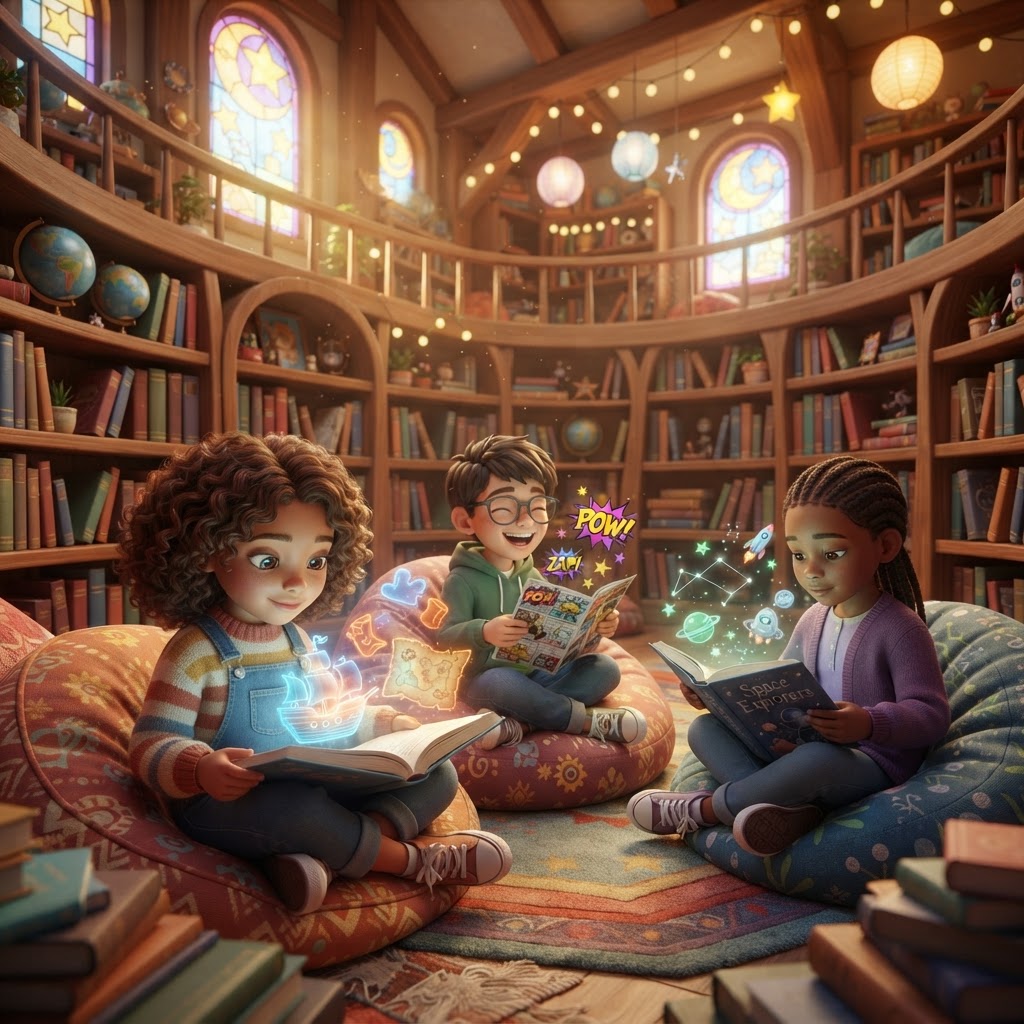
Books can take you anywhere! Papelucho is a classic Chilean series about a creative boy and his everyday adventures. Other popular choices include Dog Man, Diary of a Wimpy Kid, Harry Potter and illustrated science books.
Try reading one short page in English. Look at the pictures, guess the meaning and write down one new word. You do not need to understand every word!
Music & Dance
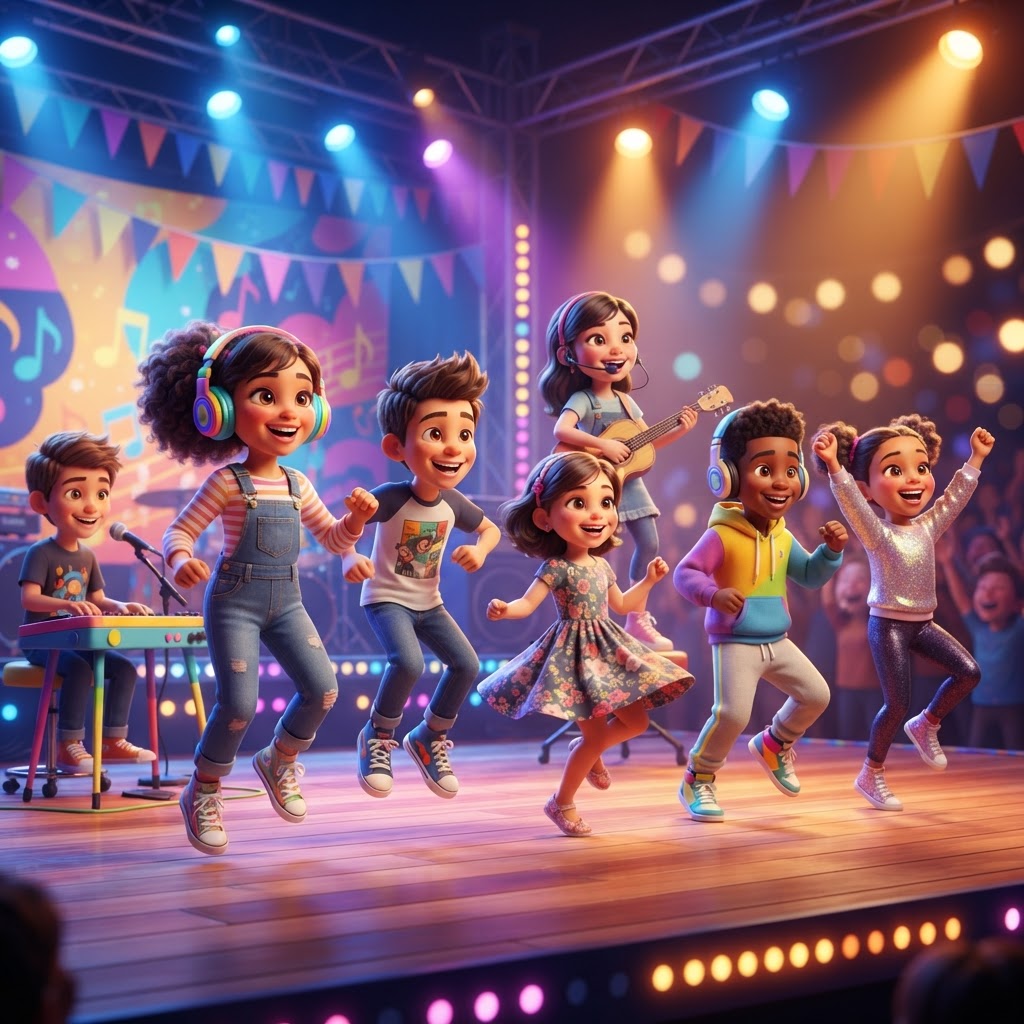
Children and preteens in Chile enjoy pop, K-pop, movie songs and music from video games. Songs by family-friendly pop performers and the funny musical group 31 Minutos can make a dance break more exciting.
Choose a clean, age-appropriate song in English. Listen for words such as happy, friend, dance and together. Then invent a simple dance routine with your friends or family!
Hobbies & After-School Fun
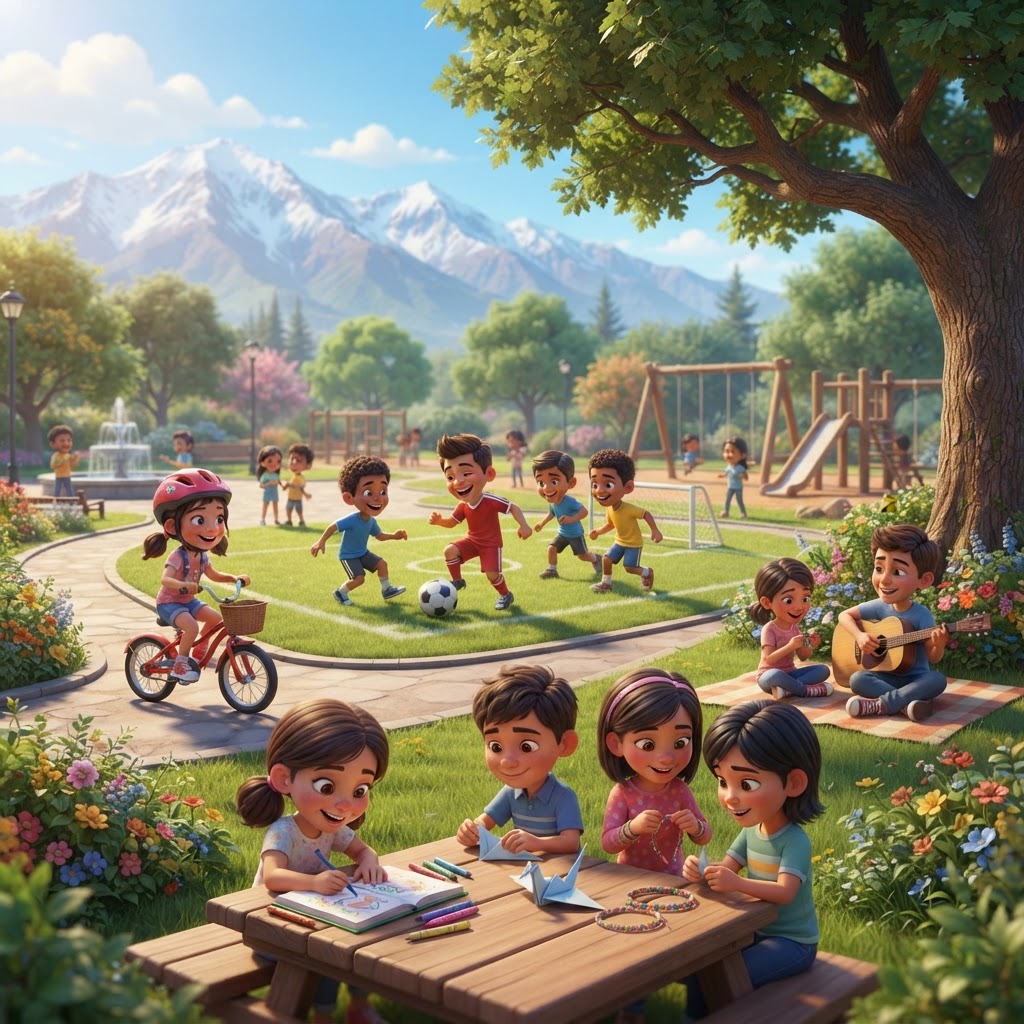
Football is a favorite sport in Chile, but kids also enjoy basketball, volleyball, skating, cycling and swimming. Creative hobbies include drawing, crochet, bracelet making, origami, cooking and playing an instrument.
You can practise English during your hobby. Say, “I can kick the ball,” “I am drawing a cat,” or “My bracelet is purple.” Every little sentence helps!
School Subjects Vocabulary
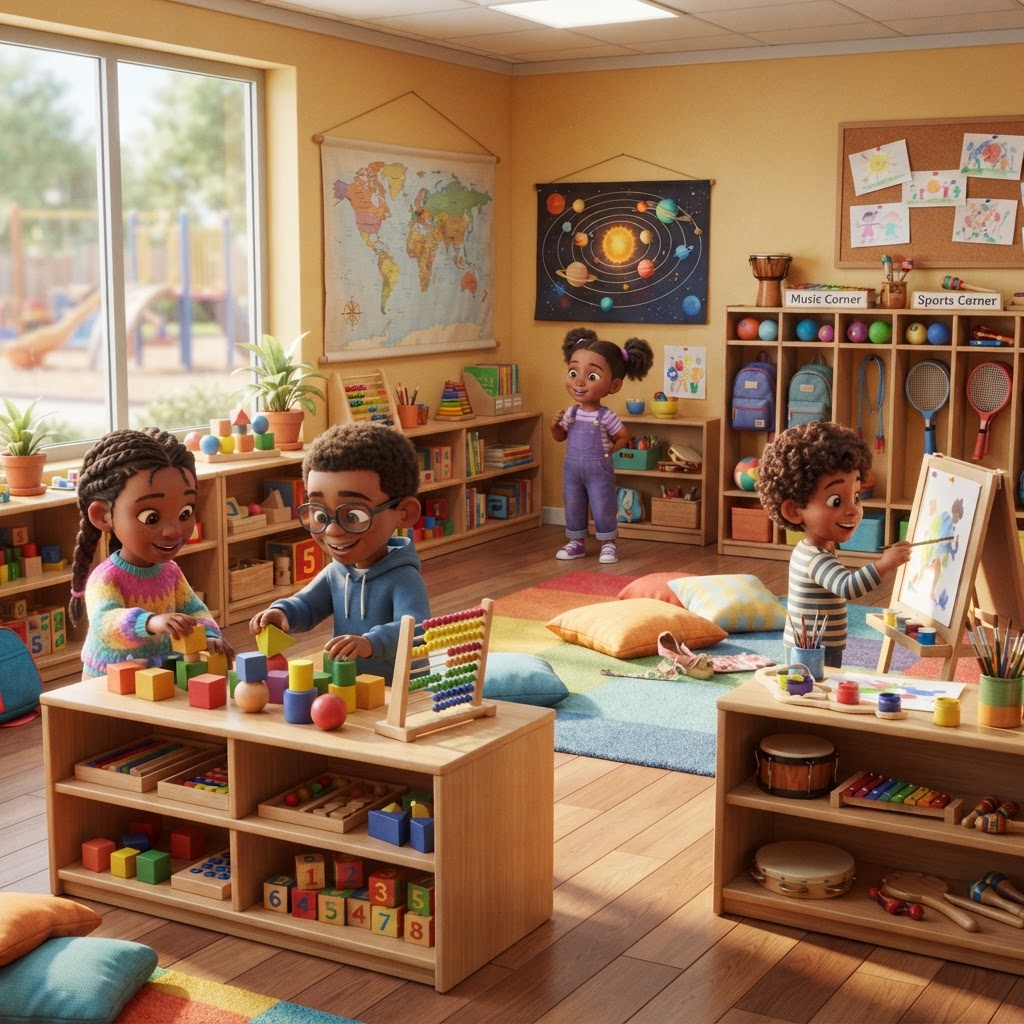
Use these English words when you talk about your school day:
- Math — Matemática: We solve a problem in Math.
- Science — Ciencias: We learn about planets in Science.
- History — Historia: History teaches us about the past.
- Geography — Geografía: I can find Chile on the map.
- Language — Lenguaje: We read a story in Language class.
- Art — Artes: I paint a colorful picture in Art.
- Music — Música: We sing and play instruments in Music.
- Physical Education — Educación Física: We run in Physical Education.
Grammar Power-Up
1. I like + noun or verb-ing
Explicación: En inglés usamos I like para hablar de cosas o actividades que nos gustan. Si después viene una actividad expresada con un verbo, normalmente agregamos -ing.
English: I like cartoons. / I like reading comics.
Español: Me gustan los dibujos animados. / Me gusta leer cómics.
2. Can for abilities
Explicación: Usamos can para decir que alguien sabe o puede hacer algo. Después de can, el verbo va en su forma básica. Para expresar que no podemos hacer algo, usamos cannot o can't.
English: I can swim, but I can't skate.
Español: Puedo nadar, pero no puedo patinar.
Quick Quiz
- What is a cuchuflí?
A. A rolled wafer B. A school subject C. A sport - Which book series is about a creative Chilean boy?
A. Dog Man B. Papelucho C. Harry Potter - Which sentence talks about an ability?
A. I can swim. B. I like candy. C. My book is blue.
Great work! Answers: 1-A, 2-B, 3-A. Give yourself a high five for practising English today!