
English Adventure for September 3, 2026!
Hello, young English explorers! Today we will talk about cartoons, toys, tasty Chilean treats, books, music, hobbies, and school. Read slowly, say the new words aloud, and have fun. You can do it!
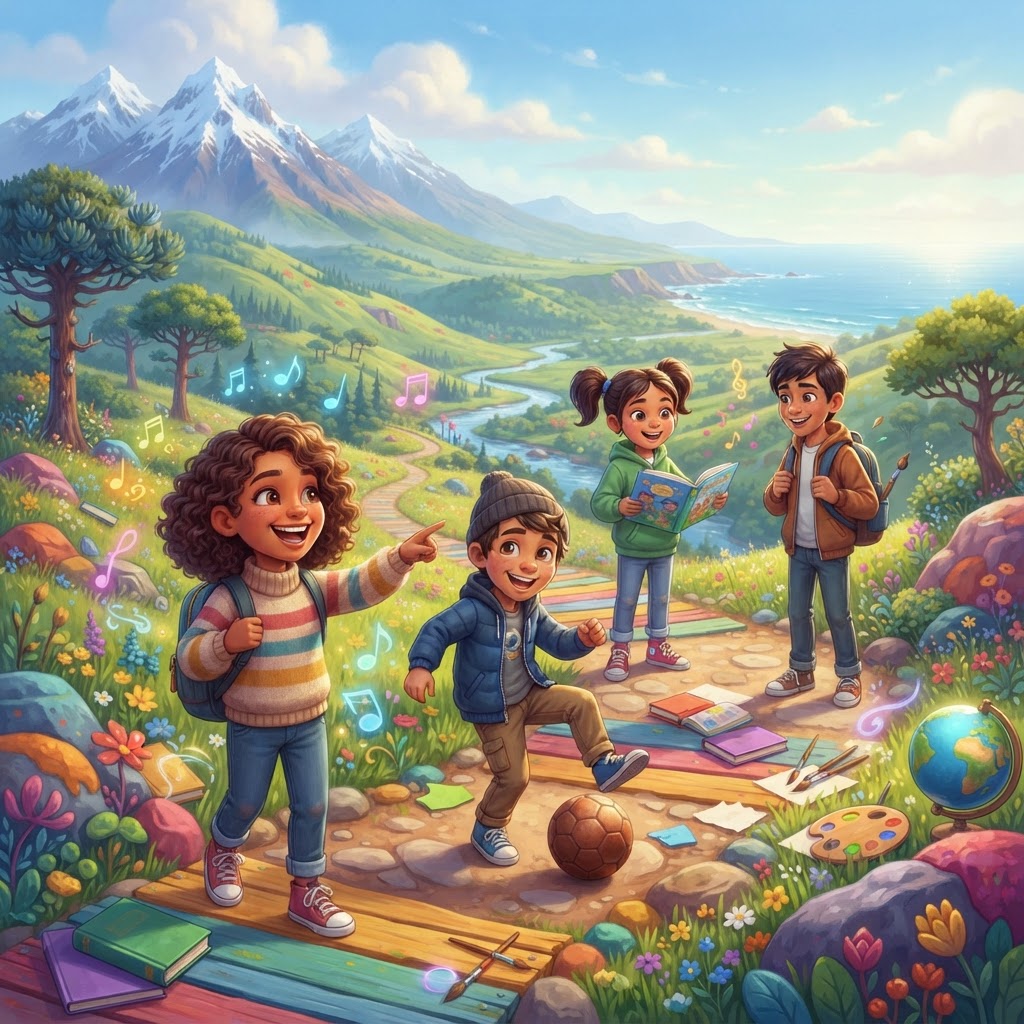
Cartoons Kids Are Watching in Chile
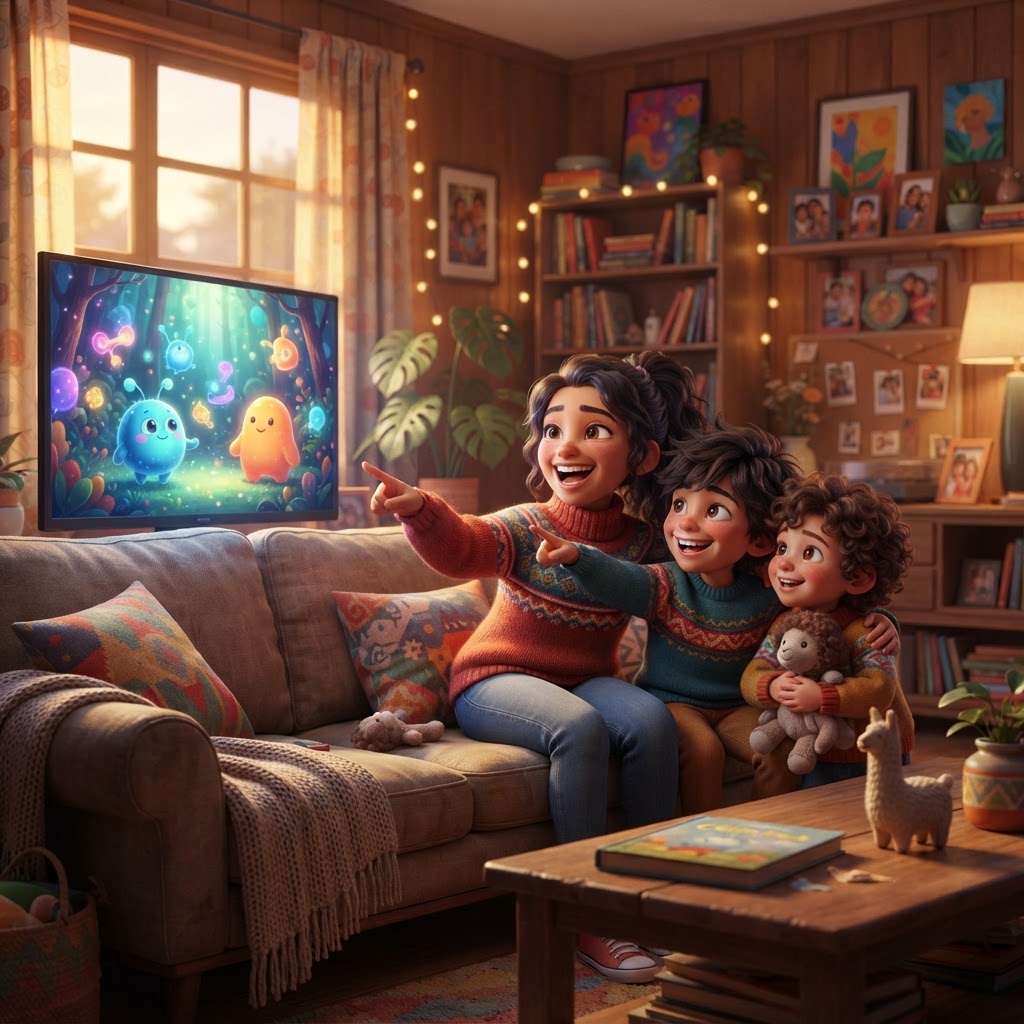
Many children in Chile enjoy funny and exciting cartoons. Bluey tells warm stories about family and imagination. Pokémon Horizons has adventure, friendship, and fantastic creatures. Kids also watch Miraculous, SpongeBob SquarePants, and Teen Titans Go!
What cartoon do you like? You can practise English by watching a short scene with English audio and Spanish subtitles.
Toys & Collectibles
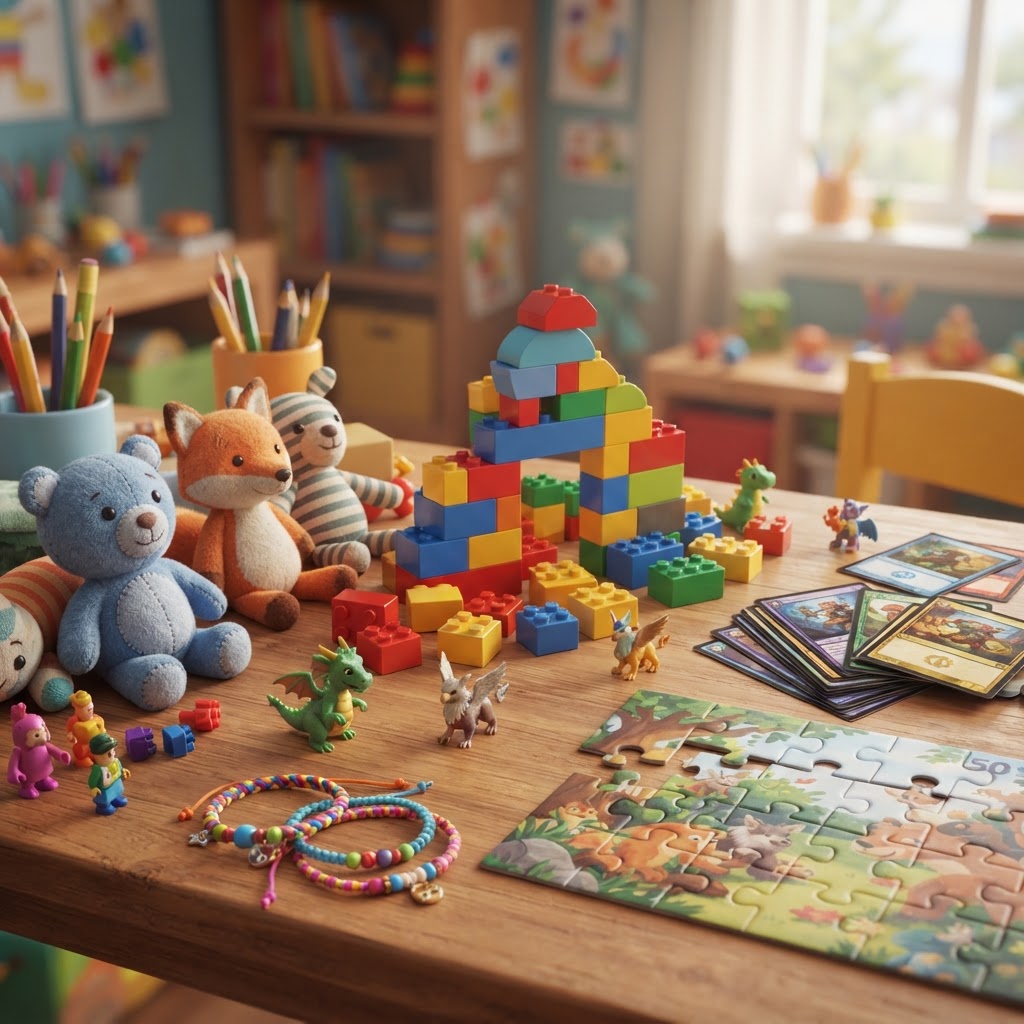
Building bricks are great for creating houses, spaceships, and animals. Trading cards are also popular because children can collect, compare, and play with them. Some kids enjoy soft plush toys, miniature figures, puzzles, board games, and colorful bracelets.
Try this English sentence: “My favorite toy is a small green dragon.” Remember to share and keep tiny toy pieces away from very young children.
Sweet Treats & Candies
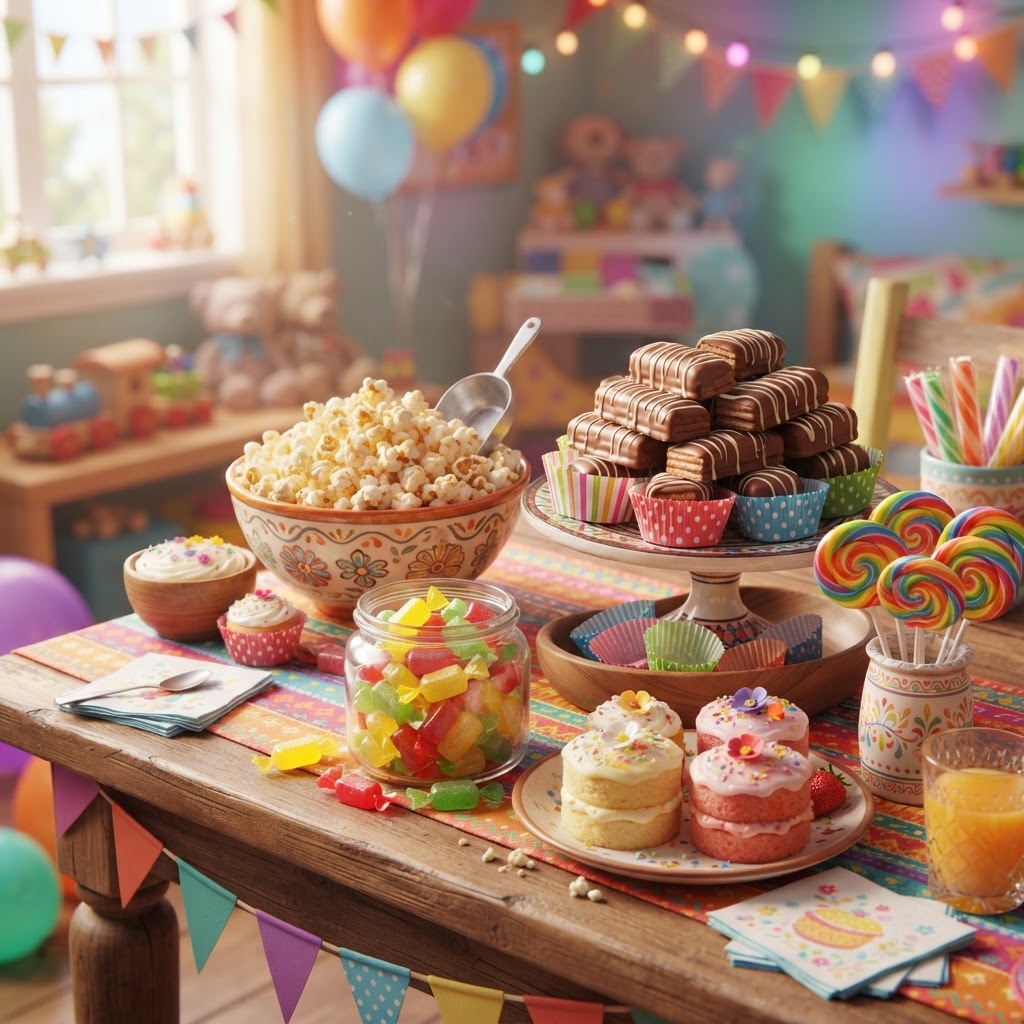
Chile has many fun snacks. A Super 8 is a chocolate-covered wafer, and a Chocman is a soft cake with chocolate coating. Children may also know Frugelé fruit chews, Coyac lollipops, and cabritas, the Chilean word for popcorn.
Sweet treats are best as an occasional snack. Enjoy a small portion, drink water, and remember to brush your teeth!
Books & Stories
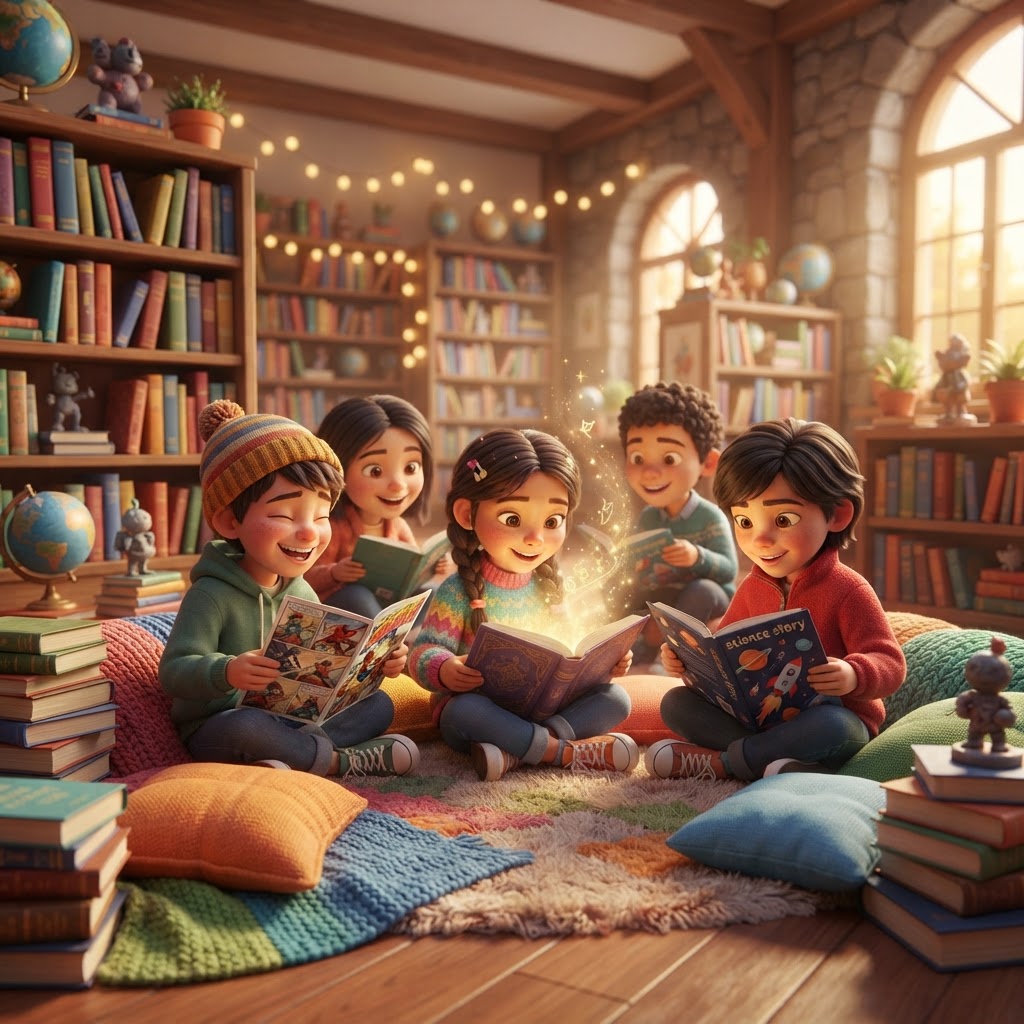
Papelucho is a classic Chilean book character with funny thoughts and everyday adventures. Many readers also enjoy Diary of a Wimpy Kid, fantasy stories, mysteries, comics, and books about animals or science.
Choose a story that matches your reading level. Read one page in English and look for three words you already know. Every page is a small victory!
Music & Dance
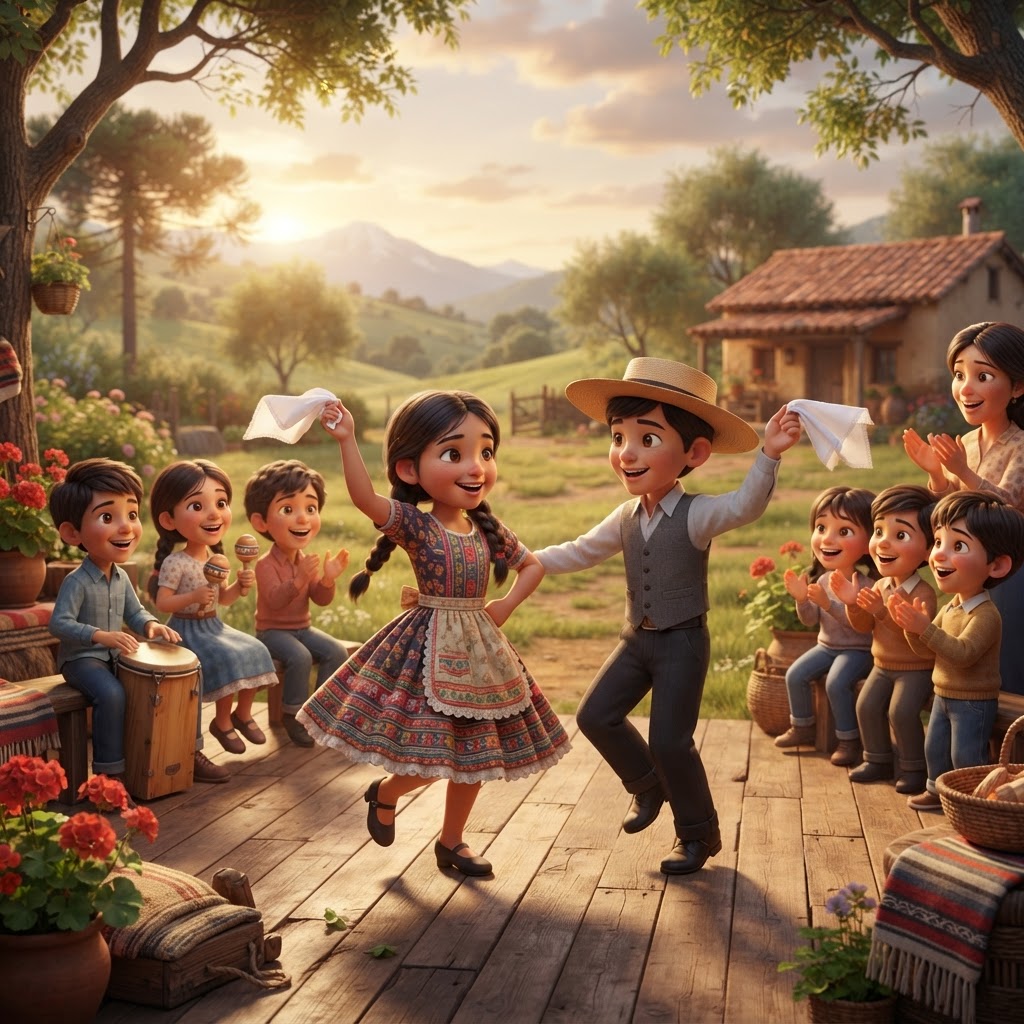
Children in Chile listen to many styles, including pop, K-pop, cumbia, rock, and music from animated films. In September, cueca becomes especially important because Chile’s Fiestas Patrias are near. Cueca dancers use handkerchiefs and move around each other in a lively dance.
Pick family-friendly music, clap to the beat, and learn simple English action words: “Clap, turn, jump, and dance!”
Hobbies & After-School Fun
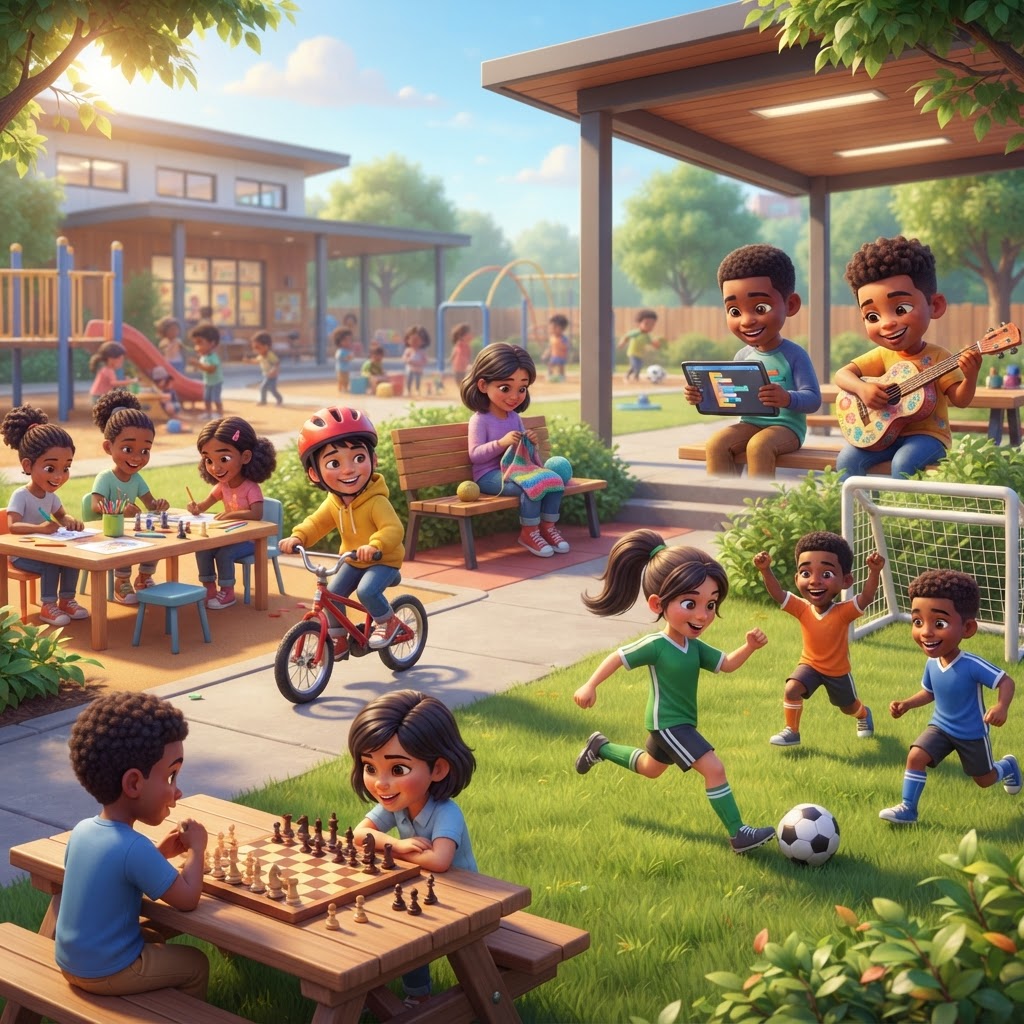
Football, basketball, volleyball, skating, cycling, and swimming are exciting ways to move. Other children prefer drawing, crochet, crafts, reading, chess, coding, dancing, or playing an instrument.
You can say: “After school, I play football with my friends.” Always use safe equipment and follow an adult’s instructions.
School Subjects Vocabulary
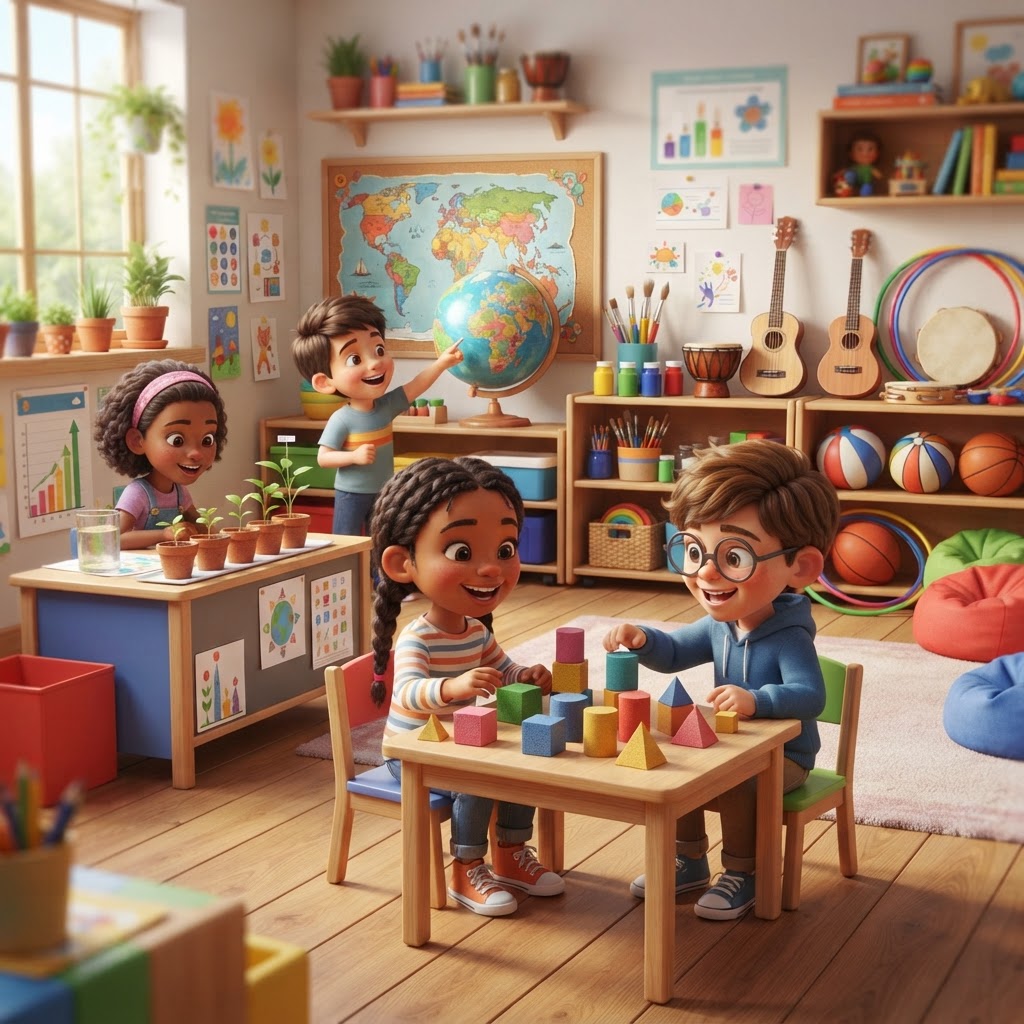
Use these words when you talk about your school day:
- Maths — Matemáticas: We solve a maths problem.
- Science — Ciencias: We learn about plants in science.
- History — Historia: History teaches us about the past.
- Geography — Geografía: We study a map of Chile in geography.
- English — Inglés: I practise new words in English.
- Art — Artes: We paint a bright picture in art.
- Music — Música: I play a rhythm in music class.
- Physical Education — Educación Física: We run and stretch in physical education.
Grammar Power-Up
1. Like + noun or verb ending in -ing
Explicación: En inglés usamos like para hablar de cosas o actividades que nos gustan. Después de like podemos usar un sustantivo o un verbo terminado en -ing.
English: I like cartoons. / I like reading.
Español: Me gustan los dibujos animados. / Me gusta leer.
2. Present simple for routines
Explicación: Usamos el presente simple para rutinas y actividades habituales. Con he, she o it, normalmente agregamos -s al verbo.
English: I play chess after school. / She plays chess after school.
Español: Juego ajedrez después de la escuela. / Ella juega ajedrez después de la escuela.
Quick Quiz
Which Chilean book character has funny everyday adventures?
A. Papelucho
B. A green dragon
C. A cueca dancerWhat do cueca dancers use?
A. Paintbrushes
B. Handkerchiefs
C. Trading cardsWhich sentence talks about a hobby?
A. I play football after school.
B. History is about the past.
C. The wafer has chocolate.
Check your answers: 1-A, 2-B, 3-A. Fantastic work, English explorer!