
Hello, English Explorers!
Happy Monday! Today is September 7, 2026. Get ready for a colorful English adventure in Chile. We will chat about cartoons, toys, yummy treats, books, music, hobbies, and school. Read aloud, learn new words, and have fun!
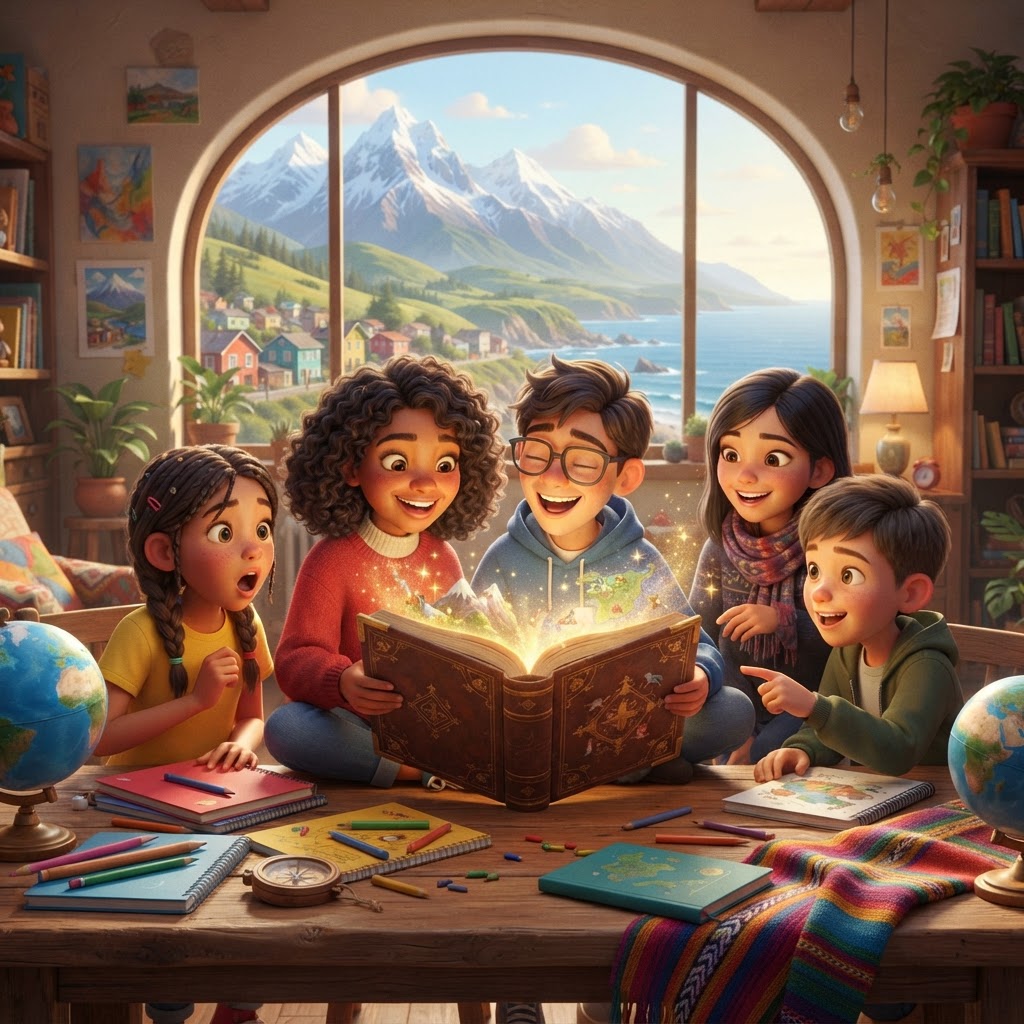
Cartoons Kids Are Watching in Chile
Many children enjoy funny and adventurous shows on TV and streaming services. Bluey tells warm stories about family and play. Pokémon has exciting creatures and friendly competitions. Miraculous: Tales of Ladybug & Cat Noir mixes superheroes, teamwork, and mystery. The Amazing Digital Circus is also talked about by older children, but it can feel strange or intense, so check with an adult first.
Try this sentence: “My favorite cartoon character is brave and funny.”
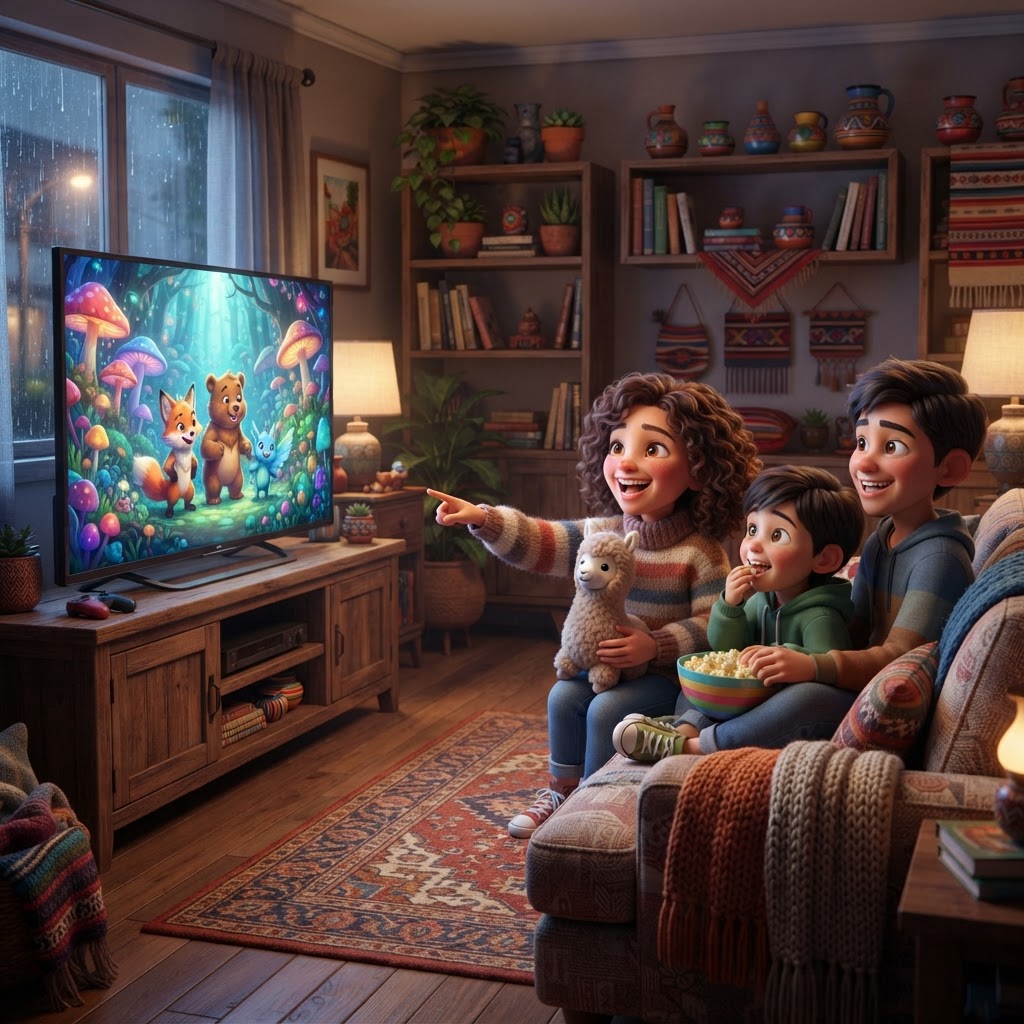
Toys & Collectibles
Building bricks are great for making houses, spaceships, and animals. Pokémon cards invite children to collect, trade, and play. Small surprise figures, plush animals, dolls, and toy cars are fun too. Board games such as UNO, Dobble, and chess are perfect for playing with family or friends.
Remember: trade collectibles fairly, ask permission, and keep small toy pieces away from babies.
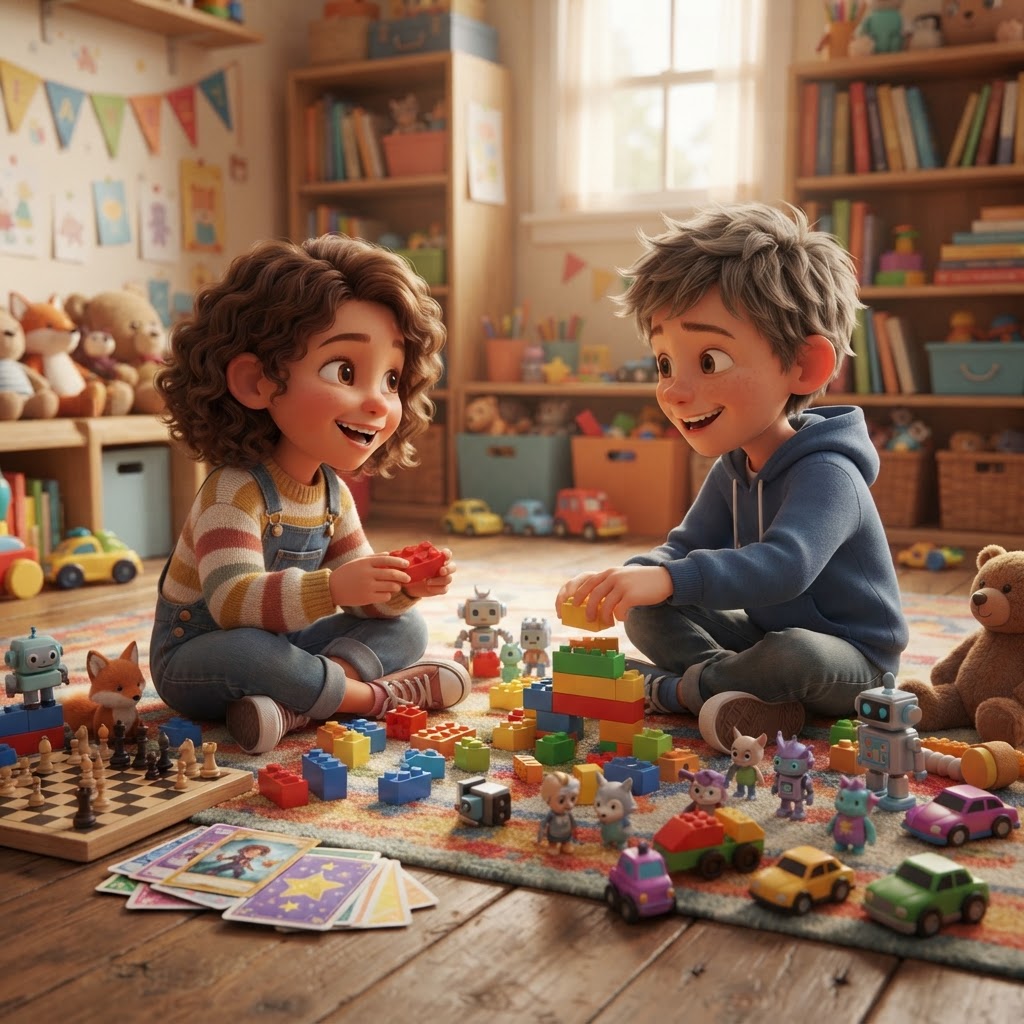
Sweet Treats & Candies
Chile has many famous snacks. A Super 8 is a crispy wafer covered in chocolate. A Chocman is a soft cake with manjar and chocolate coating. Cuchuflí is a crunchy rolled wafer that can be filled with manjar. Children may also know Frugelé fruit gummies and Ramitas, crunchy salty sticks.
Treats are delicious sometimes. Enjoy a small portion, drink water, and brush your teeth!
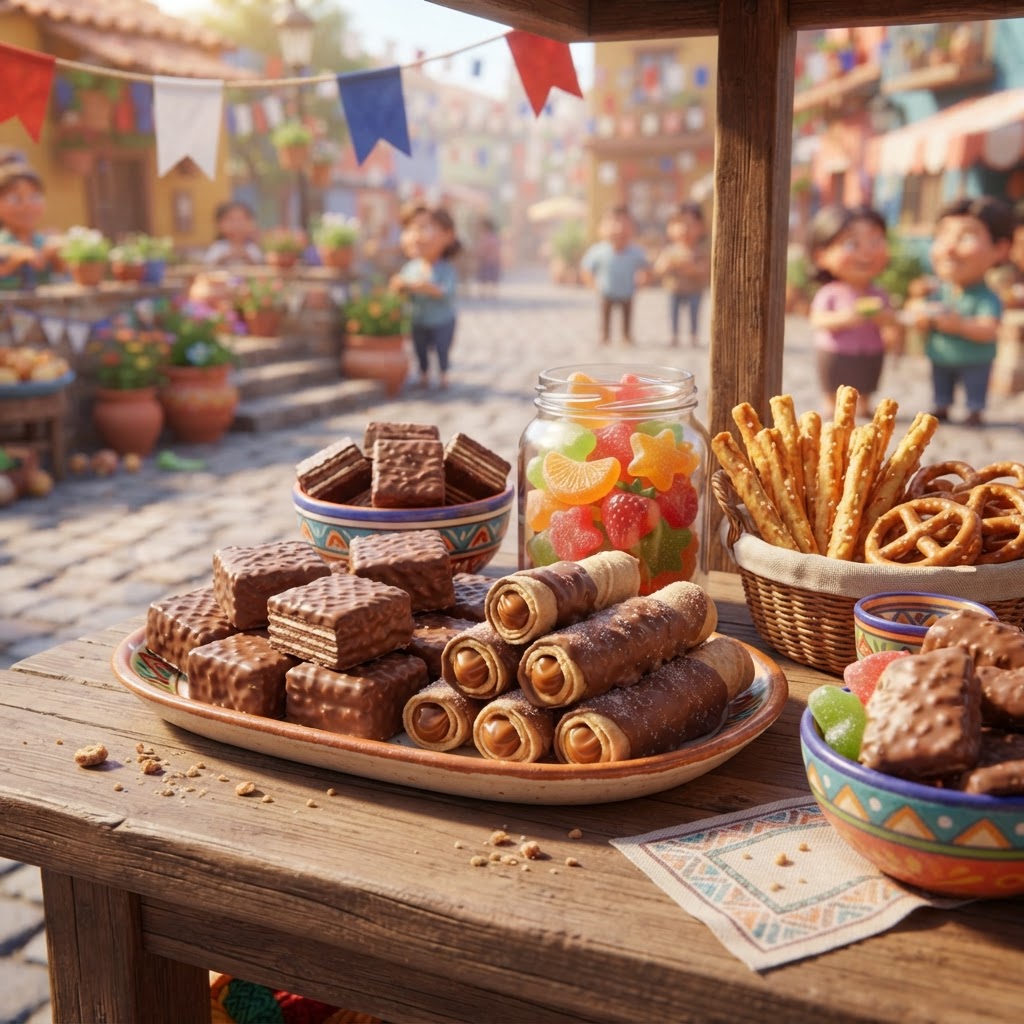
Books & Stories
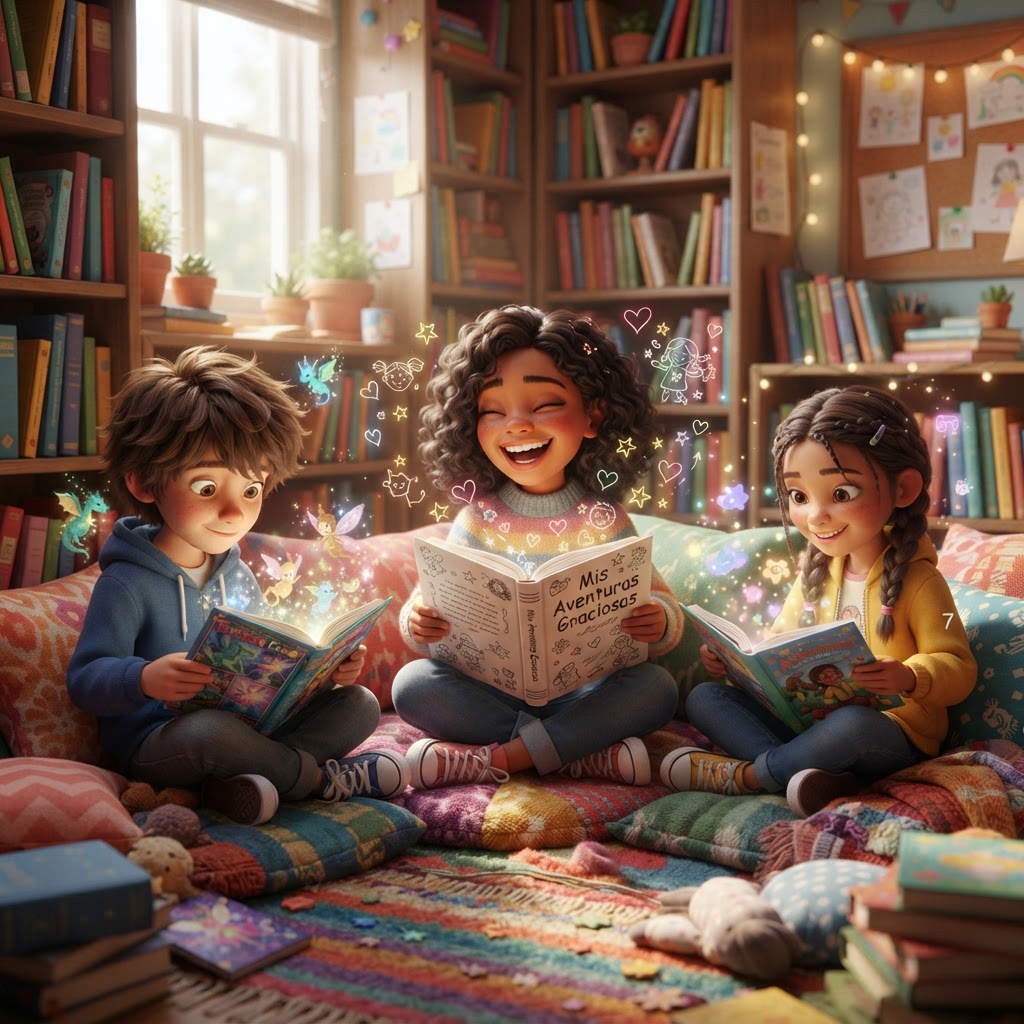
Books can take you anywhere! Papelucho by Marcela Paz follows a creative Chilean boy who writes about his life. Harry Potter and the Philosopher’s Stone offers friendship, magic, and adventure for confident readers. Diary of a Wimpy Kid combines funny pictures with school stories. Younger readers may enjoy Dog Man, while fantasy fans can try Percy Jackson.
Reading tip: choose one short paragraph and read it aloud with expression.
Music & Dance
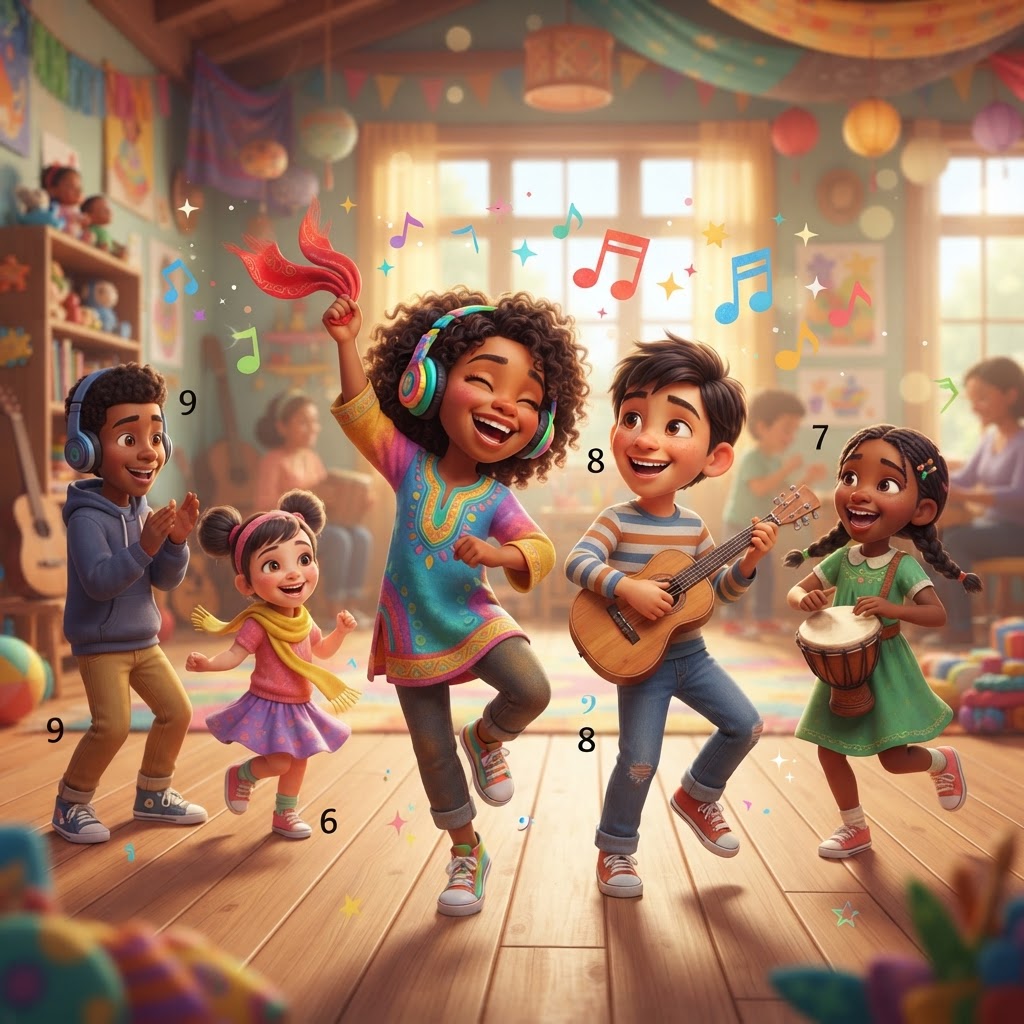
Children in Chile enjoy movie soundtracks, clean pop songs, K-pop, and music from animated films. You can also explore Chilean folk music and dance the cueca with your family or school group. A safe playlist and help from an adult make listening more enjoyable.
English challenge: listen for easy words such as happy, friend, dance, and dream. Then invent a simple dance move for each word!
Hobbies & After-School Fun
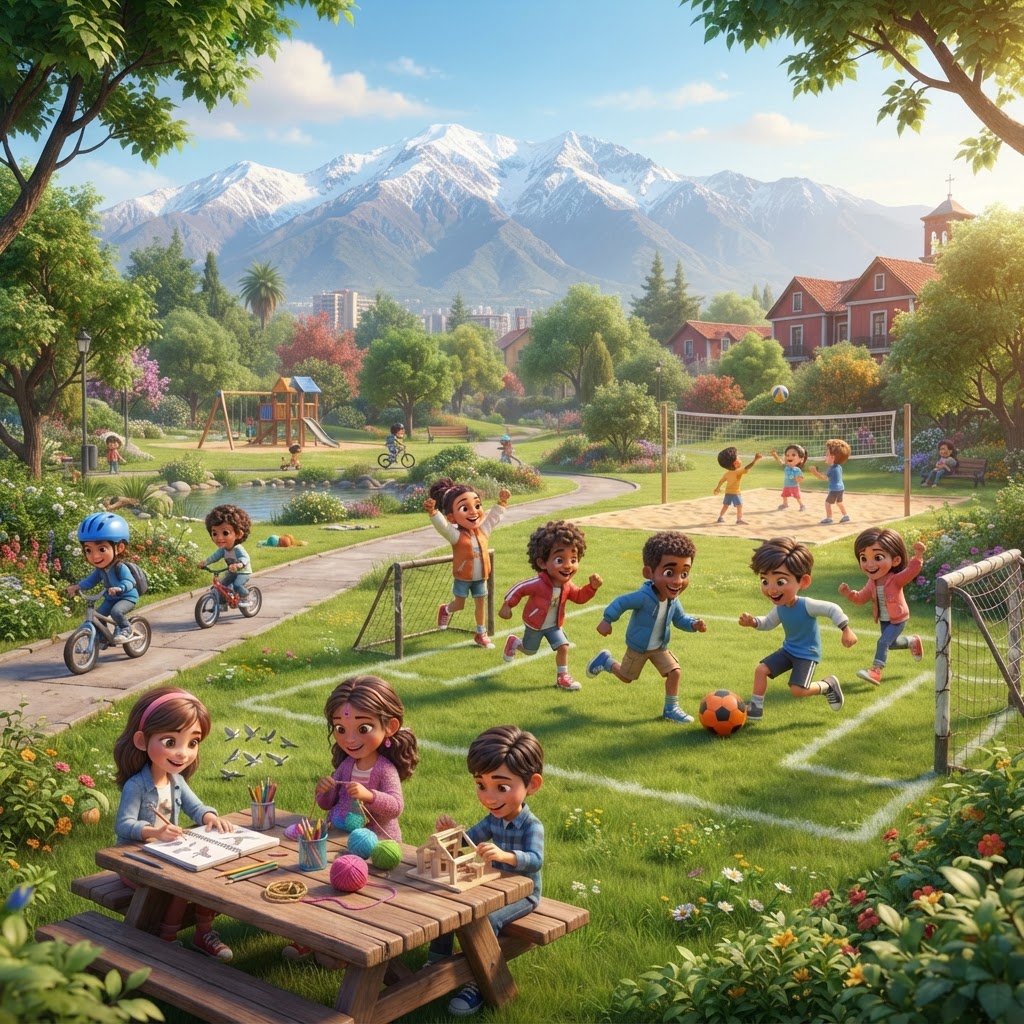
Football is a favorite activity in Chile, and many children also enjoy basketball, volleyball, skating, cycling, swimming, and martial arts. Indoor hobbies include drawing, crochet, building models, coding, cooking with an adult, and playing board games. On a clear day, you can observe birds or explore a park with your family.
Say: “After school, I like drawing because it is relaxing.”
School Subjects Vocabulary
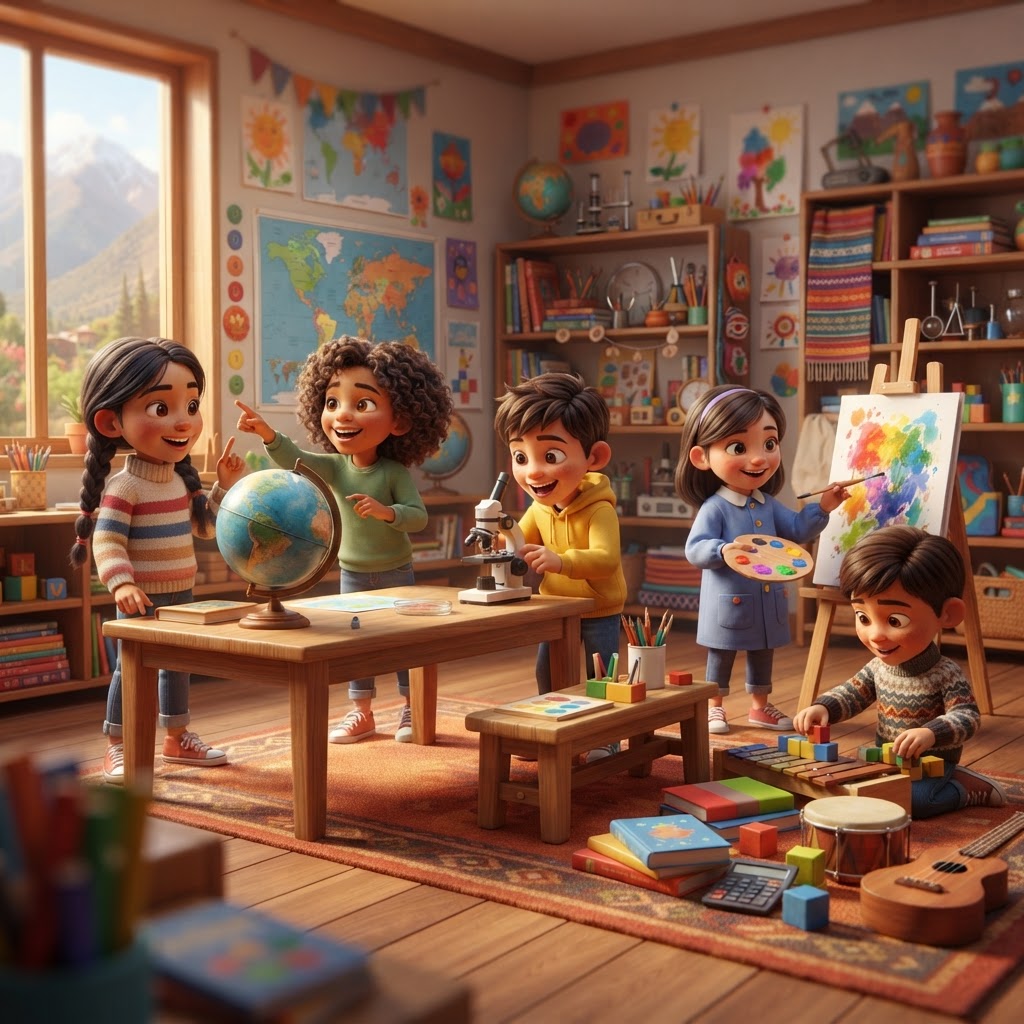
Use these words to talk about your school day:
- Maths — Matemáticas: “We solve a puzzle in Maths.”
- Science — Ciencias: “In Science, we learn about plants.”
- History — Historia: “History teaches us about the past.”
- Geography — Geografía: “We find Chile on the map in Geography.”
- Art — Artes: “I paint a bright bird in Art.”
- Physical Education — Educación Física: “We play volleyball in Physical Education.”
- Language — Lenguaje: “I write a short story in Language class.”
- Music — Música: “We clap the rhythm in Music.”
Grammar Power-Up
1. “Like” + verb ending in -ing
En inglés, usamos like + verbo terminado en -ing para hablar de actividades que nos gustan. Después de like, agregamos -ing al verbo.
English: “I like reading adventure books.”
Español: “Me gusta leer libros de aventuras.”
2. Present simple with he, she, and it
En presente simple, normalmente agregamos -s al verbo cuando el sujeto es he, she o it. Por ejemplo, play cambia a plays.
English: “She plays football after school.”
Español: “Ella juega fútbol después de la escuela.”
Quick Quiz
Which Chilean treat is a rolled wafer that can contain manjar?
A. Cuchuflí
B. Ramitas
C. Fruit saladWhat can children learn from Geography?
A. How to find Chile on a map
B. How to coat a wafer in chocolate
C. How to repair a toy carWhich sentence uses the grammar rule correctly?
A. She play football.
B. She plays football.
C. She playing football.
Check your answers
1. A — Cuchuflí is a rolled wafer that may be filled with manjar.
2. A — Geography helps us learn about places and maps.
3. B — With “she” in the present simple, “play” becomes “plays.”
Fantastic work! Use one new English word today and come back tomorrow for another adventure.