
Hello, English Explorers!
Today is Tuesday, September 8, 2026. Are you ready for a colorful English adventure? We will chat about cartoons, toys, Chilean treats, stories, music, hobbies, and school. Read aloud, learn new words, and have fun!
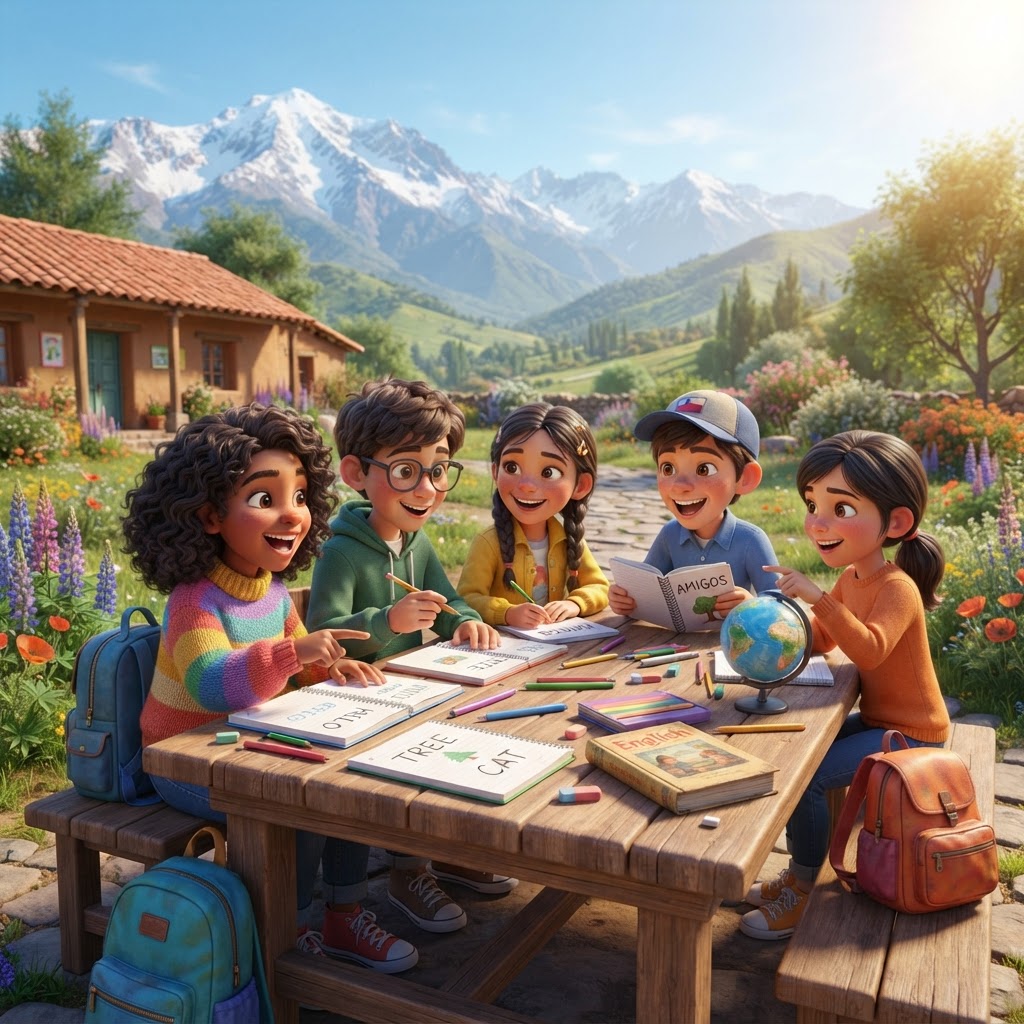
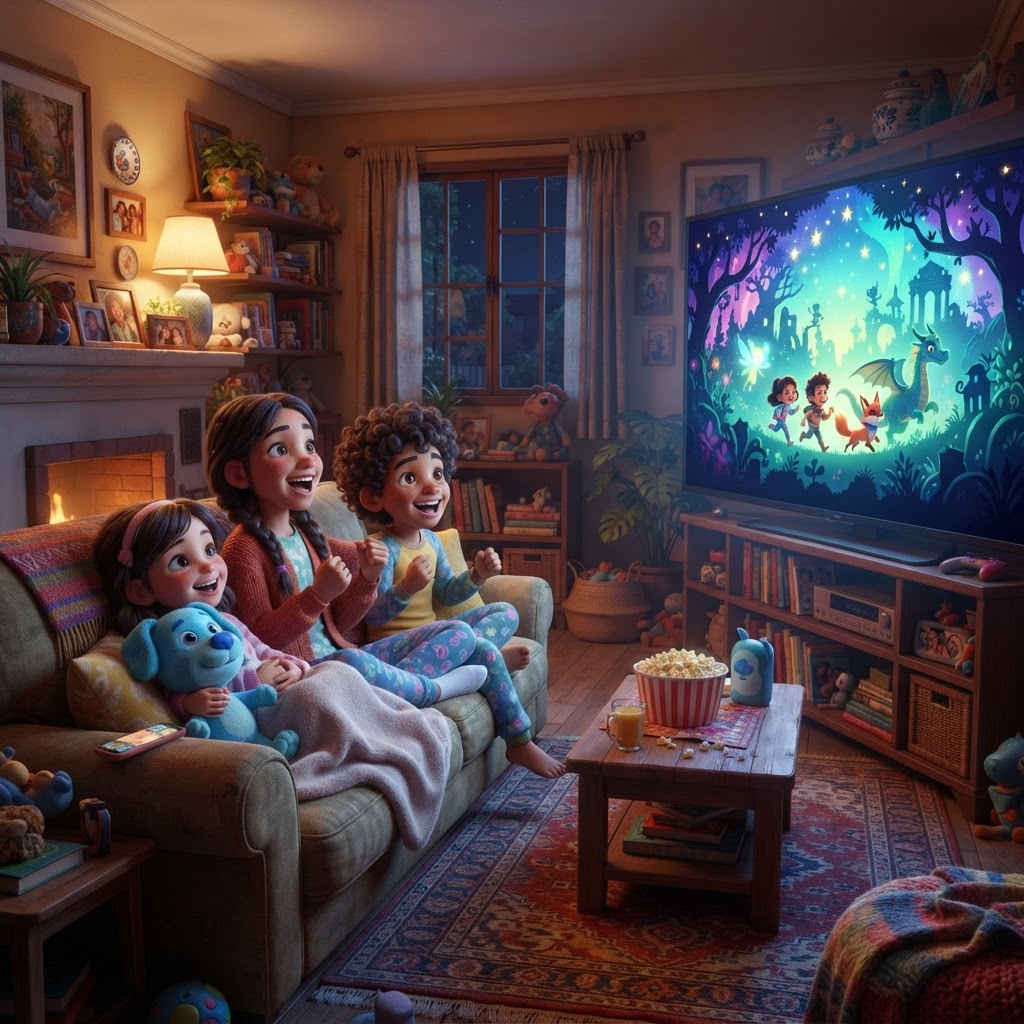
Cartoons Kids Are Watching in Chile
Animated adventures are great for English practice! Many children in Chile enjoy shows such as Bluey, Pokémon, Miraculous: Tales of Ladybug & Cat Noir, and Teen Titans Go!. Younger viewers may also enjoy Peppa Pig and Paw Patrol.
Try watching a short scene in English. Listen for simple words like friend, help, and play. Which character makes you laugh?
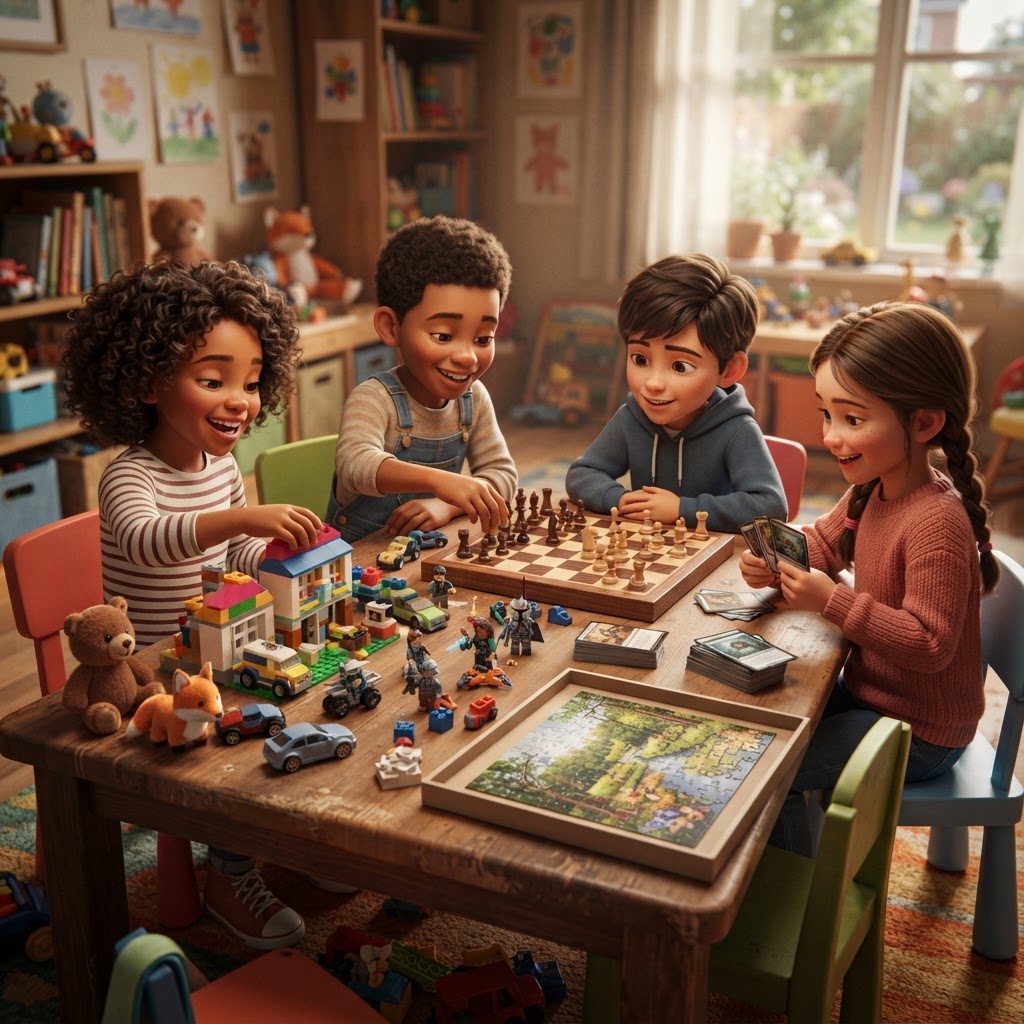
Toys & Collectibles
Building bricks, dolls, toy cars, plush animals, trading cards, and mini figures are fun to collect and share. Games such as UNO, Dobble, chess, and puzzles are also excellent choices for family time.
Use English while you play: “It is my turn,” “I have a blue card,” or “Let’s build a spaceship!” Remember to trade collectibles fairly and ask an adult before buying anything online.
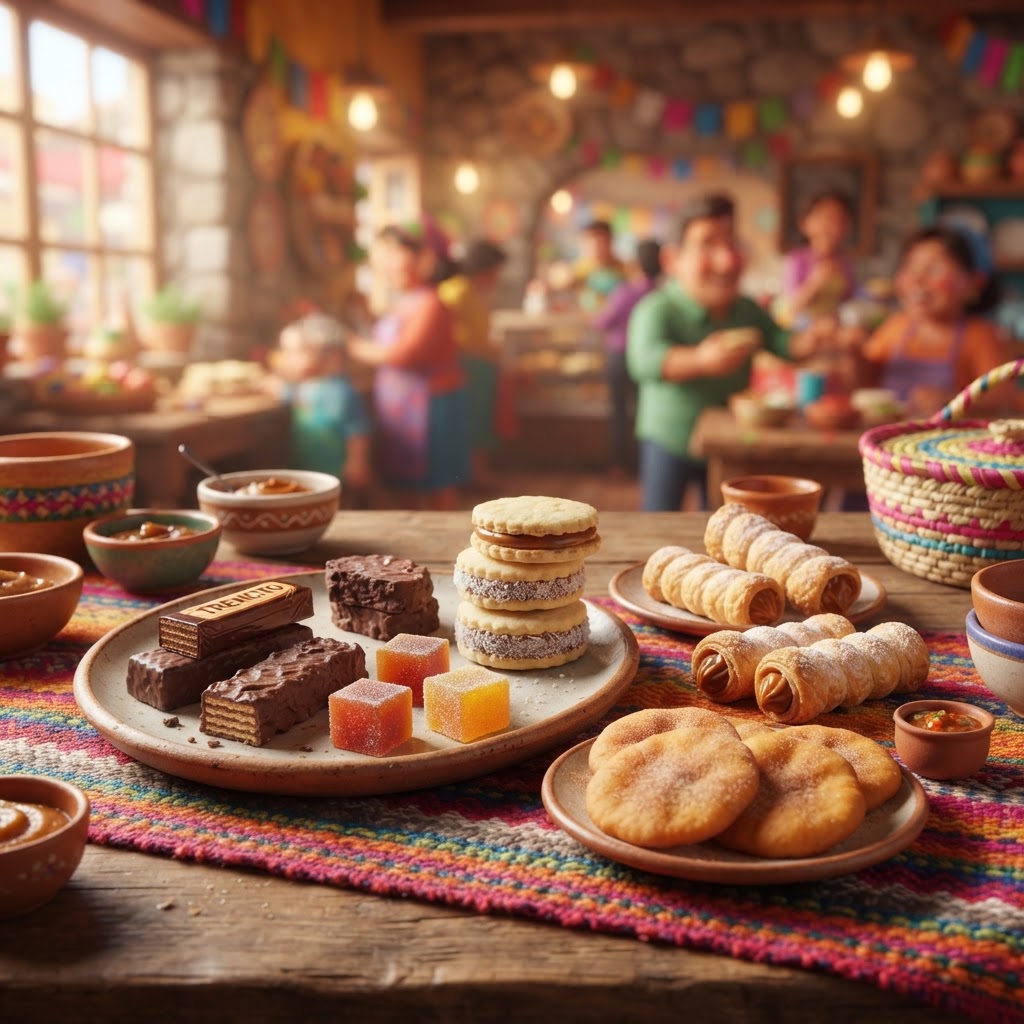
Sweet Treats & Candies
Chile has many famous treats. Chocman is a chocolate-covered cake, Super 8 has crispy wafers, and cuchuflí is a crunchy tube that often contains manjar. Children may also know Frugelé fruit sweets, calugas, alfajores, and sopaipillas.
A useful sentence is: “My favorite treat is an alfajor.” Sweet foods are special treats, so enjoy a small amount and remember to brush your teeth!
Books & Stories
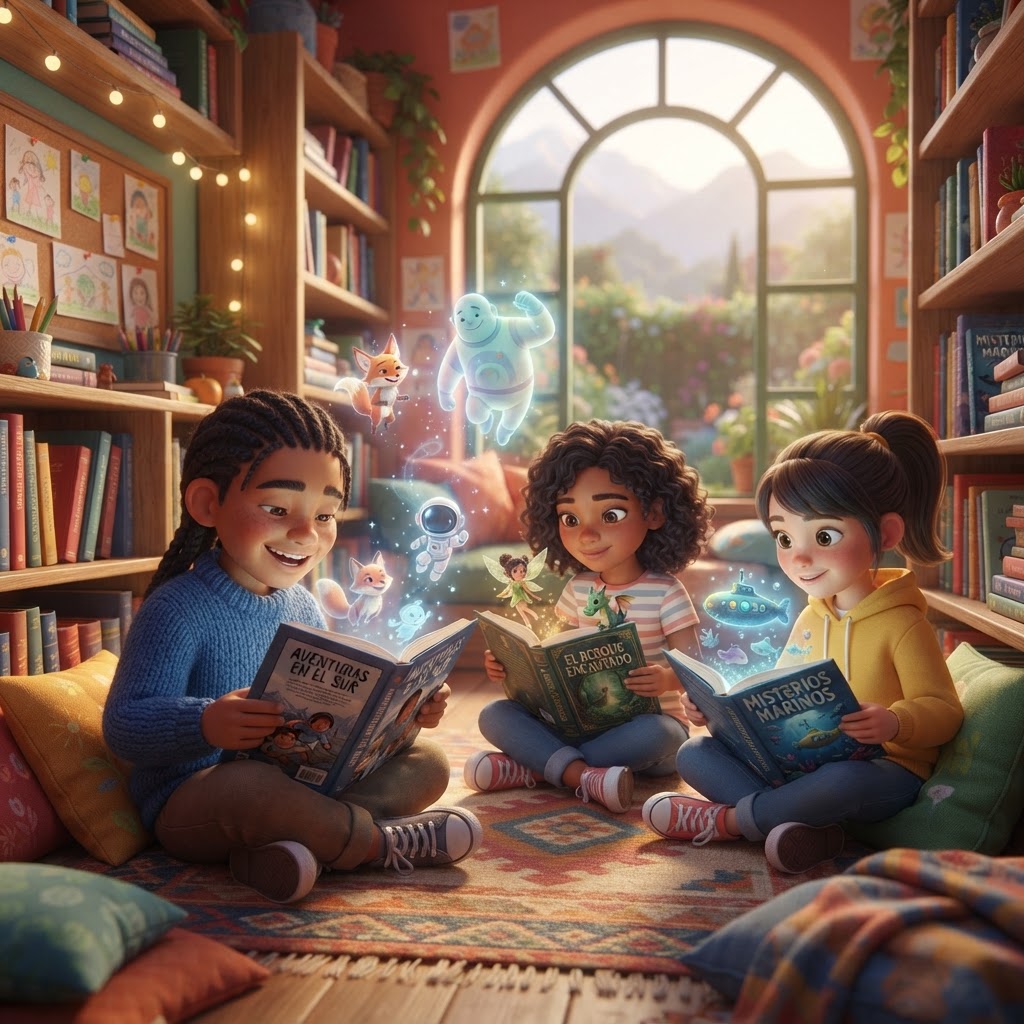
Books can take you anywhere! Chilean readers may enjoy Papelucho by Marcela Paz and the funny adventures of Las aventuras de Ogú, Mampato y Rena. International choices include Dog Man, Diary of a Wimpy Kid, Harry Potter and the Philosopher’s Stone, and Matilda.
Choose a book that feels comfortable for you. Read one page in English and circle three new words. Graphic novels count as reading too!
Music & Dance
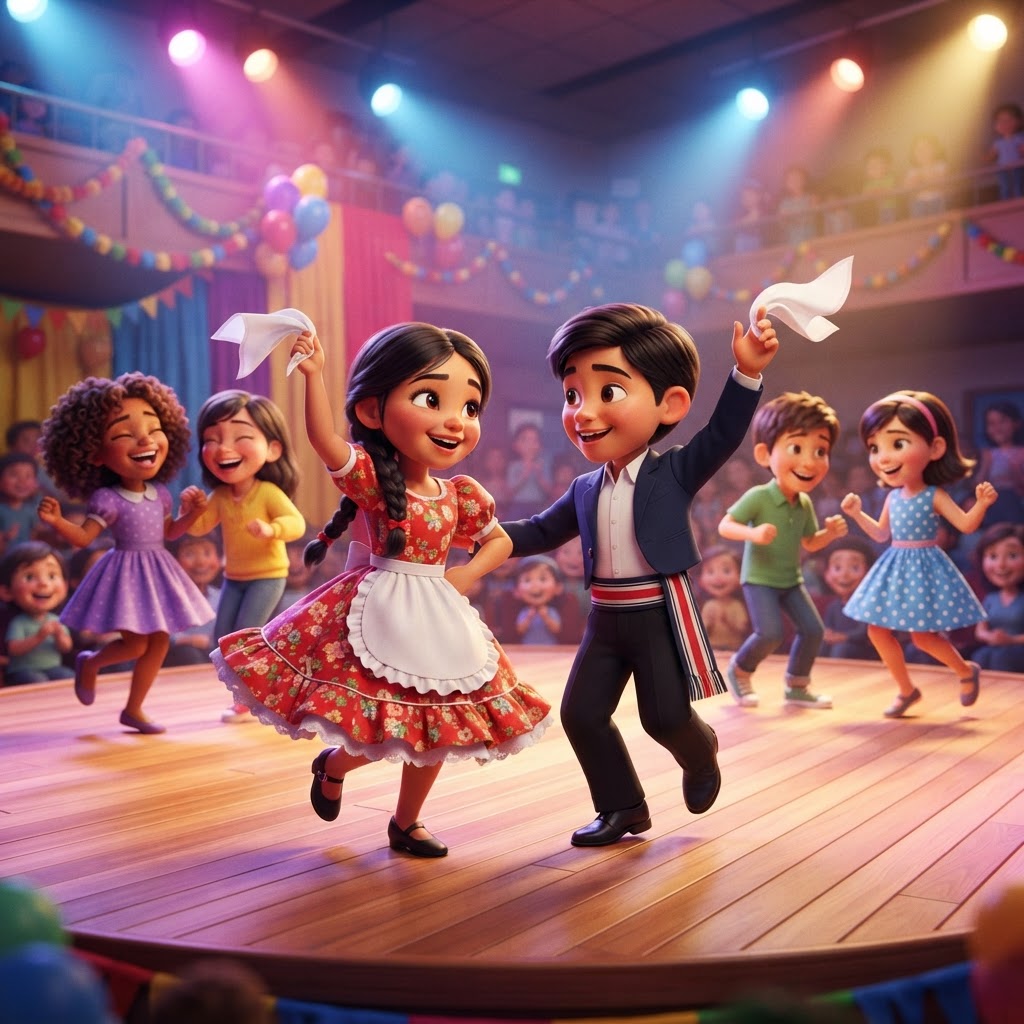
Music makes English sound exciting. Children can enjoy clean, family-friendly songs from animated films and upbeat pop artists such as Taylor Swift or Bruno Mars. In Chile, cueca is an important traditional dance, while TikTok-style dance challenges and K-pop choreography can inspire fun, supervised movement.
Play a family-friendly song, clap to the beat, and find a repeated English phrase. Then create a simple dance with four steps: step, clap, turn, and jump!
Hobbies & After-School Fun
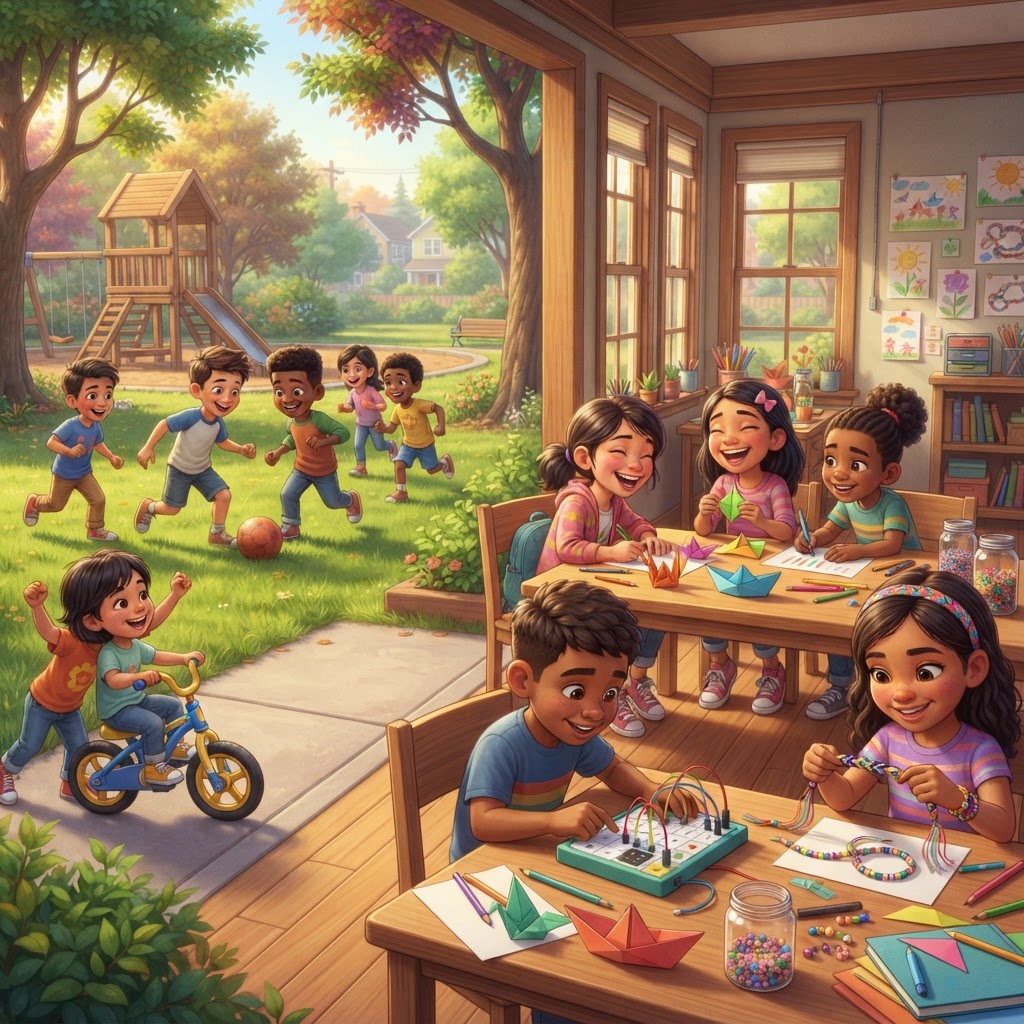
Football, basketball, volleyball, skating, cycling, swimming, and dance are popular ways to move after school. For a quiet afternoon, try drawing, crochet, origami, reading, cooking with an adult, coding, or making friendship bracelets.
Say: “I like drawing because it is relaxing.” You do not need to be perfect. A hobby is about learning, creating, and enjoying your time!
School Subjects Vocabulary
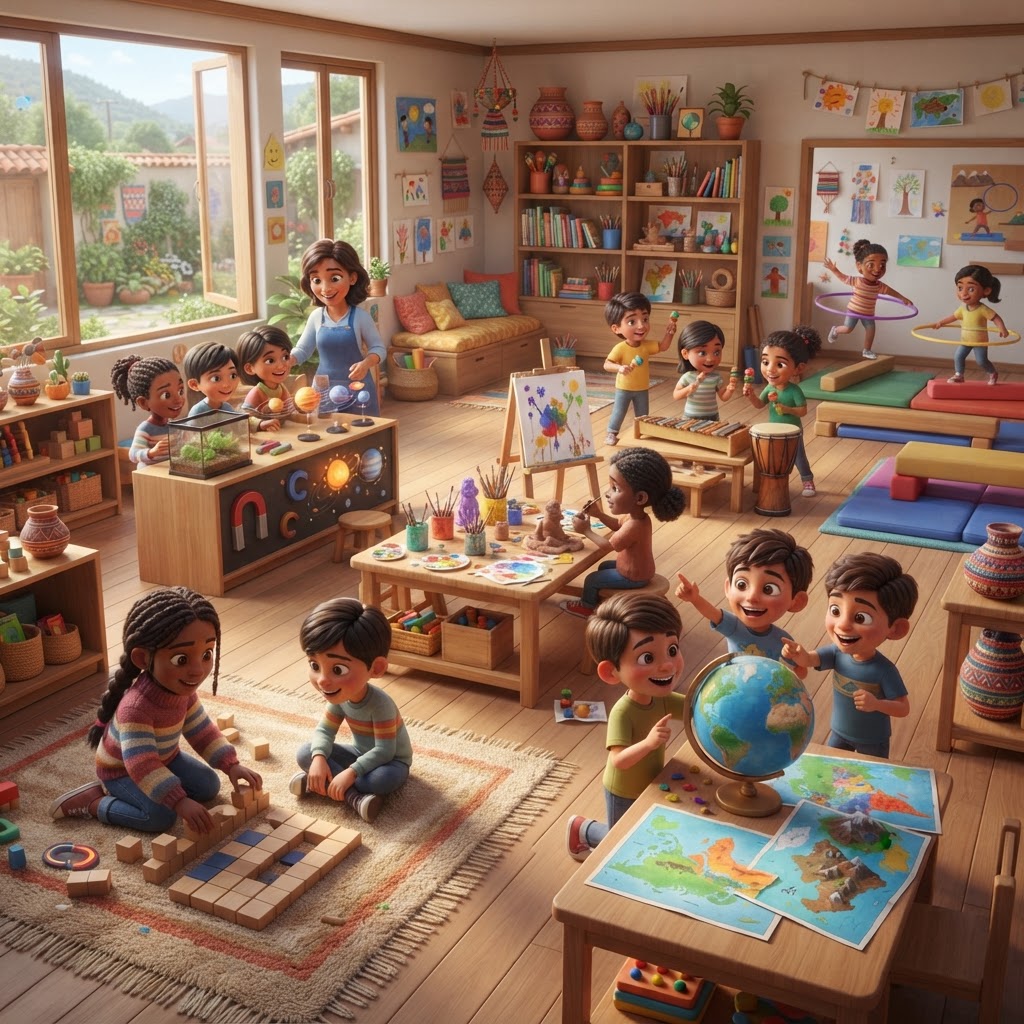
Use these words to talk about your school day:
- Maths — Matemáticas: We solve a maths problem.
- Science — Ciencias: Our science experiment is exciting.
- History — Historia: I learn about the past in history.
- Geography — Geografía: We find Chile on the map in geography.
- Art — Arte: I paint a bright picture in art.
- Music — Música: We sing together in music class.
- Physical Education — Educación Física: We play volleyball in physical education.
- Language — Lenguaje: I write a story in language class.
Grammar Power-Up
1. Like + “-ing”
Explicación: Después de like, podemos usar un verbo terminado en -ing para hablar de actividades que nos gustan. Para decir que algo no nos gusta, usamos don’t like o doesn’t like.
English: I like reading adventure books.
Español: Me gusta leer libros de aventuras.
English: She doesn’t like losing a game.
Español: A ella no le gusta perder un juego.
2. Present simple for routines
Explicación: Usamos el presente simple para rutinas y acciones habituales. Con he, she o it, normalmente agregamos -s al verbo.
English: We play football after school.
Español: Jugamos fútbol después de clases.
English: Tomás reads every evening.
Español: Tomás lee todas las tardes.
Quick Quiz
Which Chilean treat is a crunchy tube that often contains manjar?
A) Cuchuflí B) Apple C) Popcorn
Which sentence talks about a hobby you enjoy?
A) I like drawing. B) I am a pencil. C) Drawing is Monday.
What can you say during a card game?
A) It is my turn. B) It is my classroom. C) It is my breakfast.
Answers: 1-A, 2-A, 3-A. Fantastic work, English explorer!