
Welcome, English Explorers!
Hello, friends! Today is September 10, 2026. Spring is almost here in Chile! Let’s discover fun cartoons, tasty snacks, cool hobbies, and useful school words. Read, smile, and practice English!
Cartoons Kids Are Watching in Chile
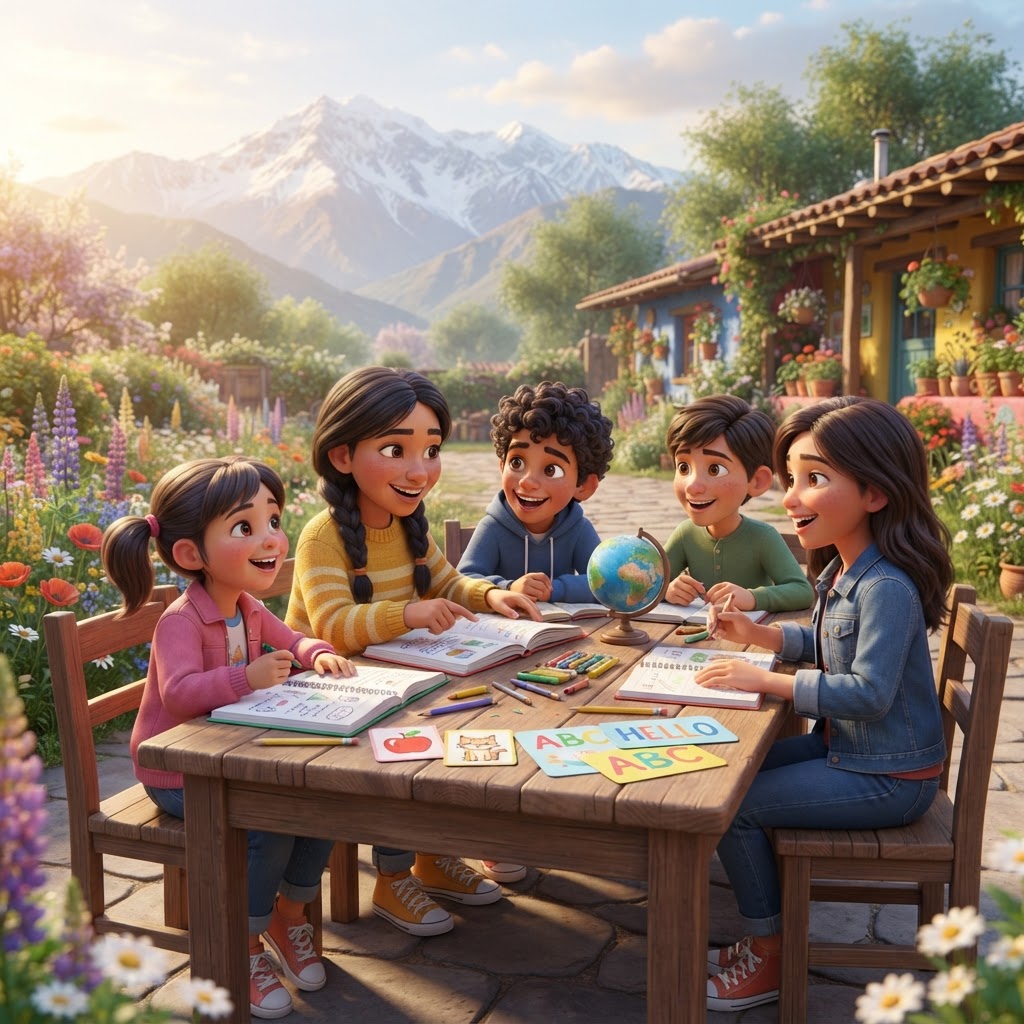
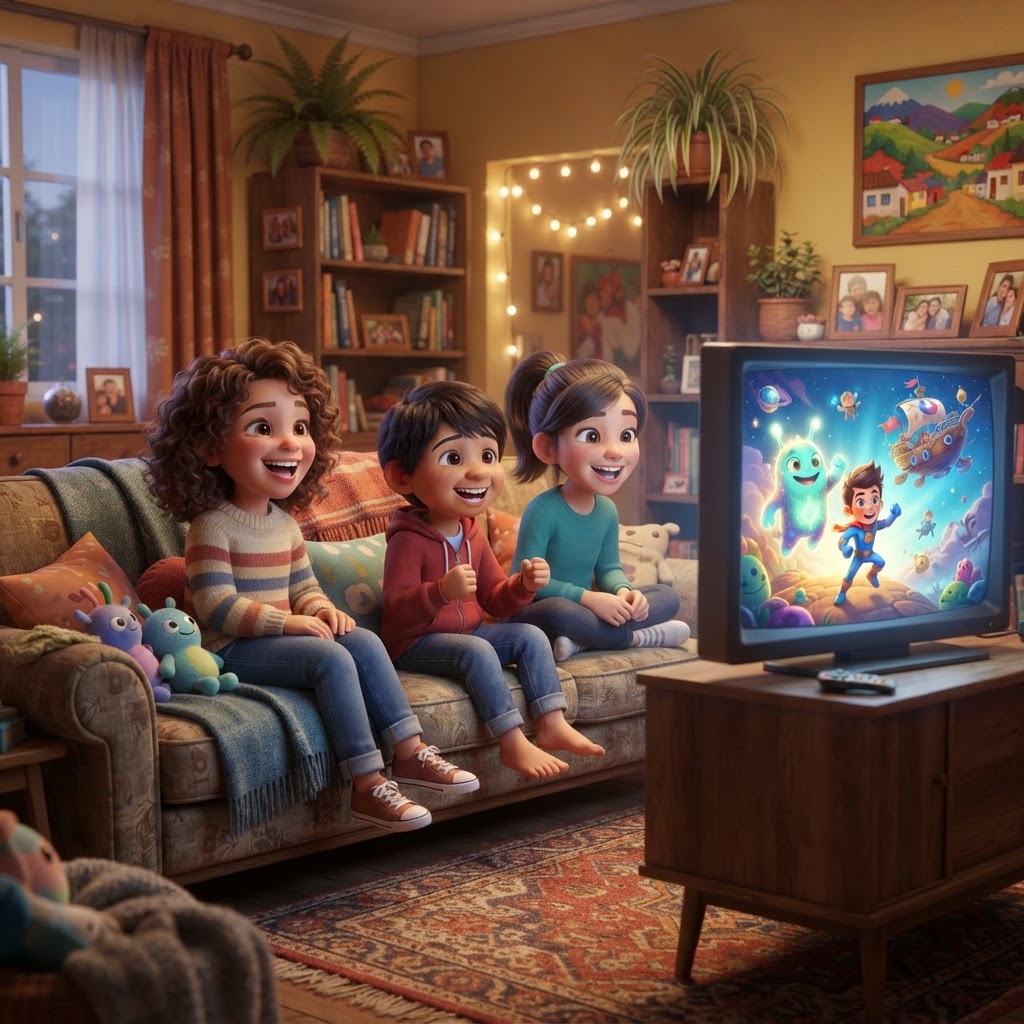
Children in Chile can enjoy animated adventures on TV and streaming platforms. Bluey tells warm and funny family stories. Pokémon has exciting creatures and friendly competitions. Miraculous: Tales of Ladybug & Cat Noir follows young heroes in Paris. Many kids also enjoy Dragon Ball and the Chilean favorite 31 Minutos.
Try this: Describe a character with three English words, such as “brave, funny, and kind.”
Toys & Collectibles
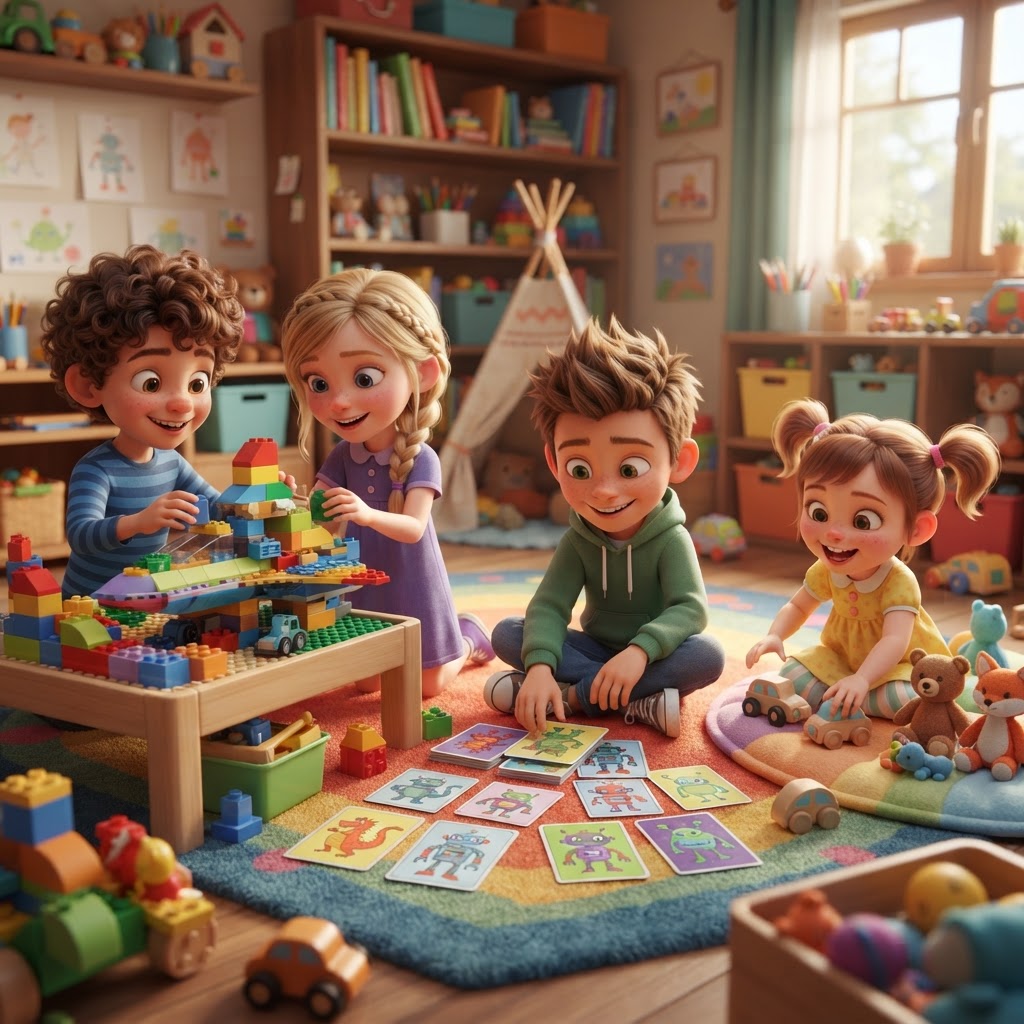
Building bricks are great for creating houses, robots, and spaceships. Pokémon cards are fun to collect, trade, and organize. Children also play with dolls, toy cars, puzzles, board games, and soft plush animals. Some kids collect small figures or colorful stickers.
English challenge: Say, “My favorite toy is ___ because ___.”
Sweet Treats & Candies
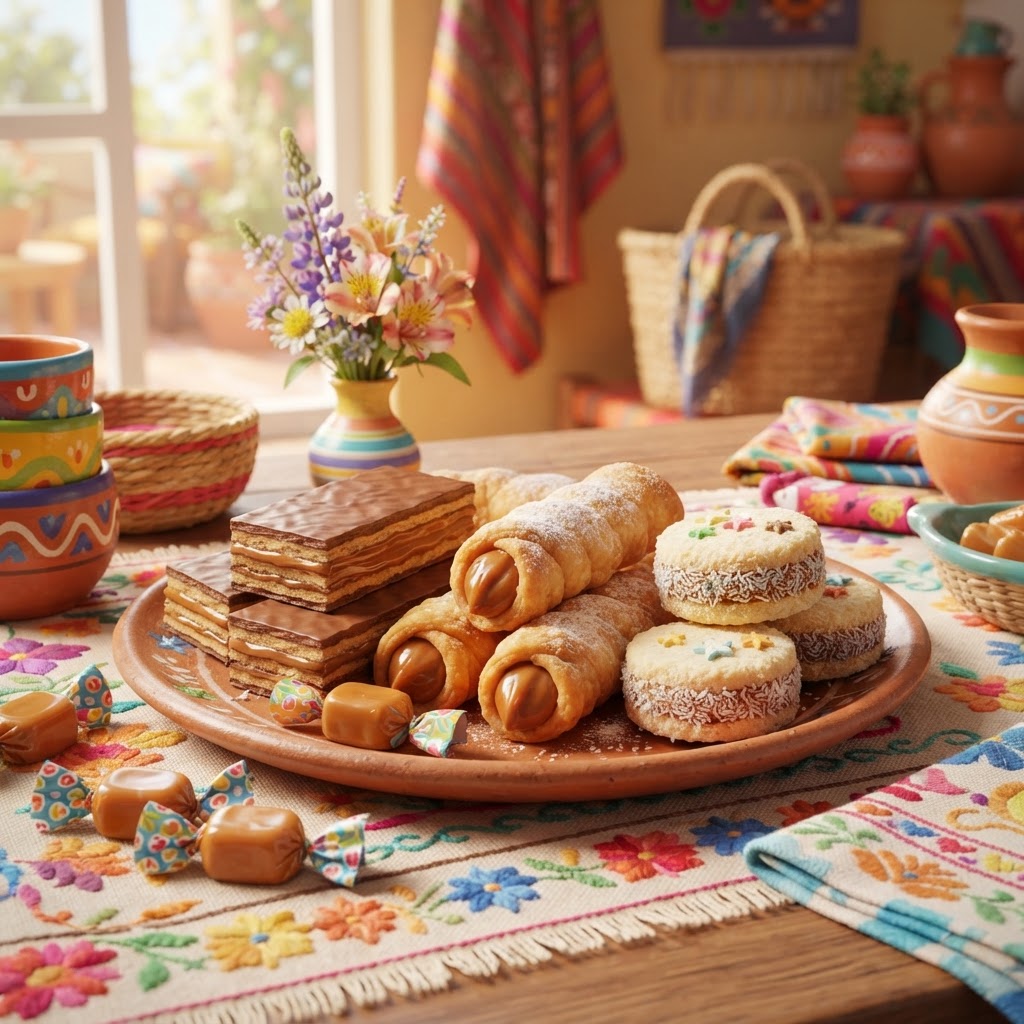
Chile has many famous treats. Super 8 is a crispy wafer covered with chocolate. Chocman is a soft cake with chocolate coating. Cuchuflí is a crunchy tube that may contain manjar. Kids may also enjoy alfajores, calugas, or a small piece of chocolate.
Treats are delicious, but enjoy them sometimes and remember to brush your teeth!
Books & Stories
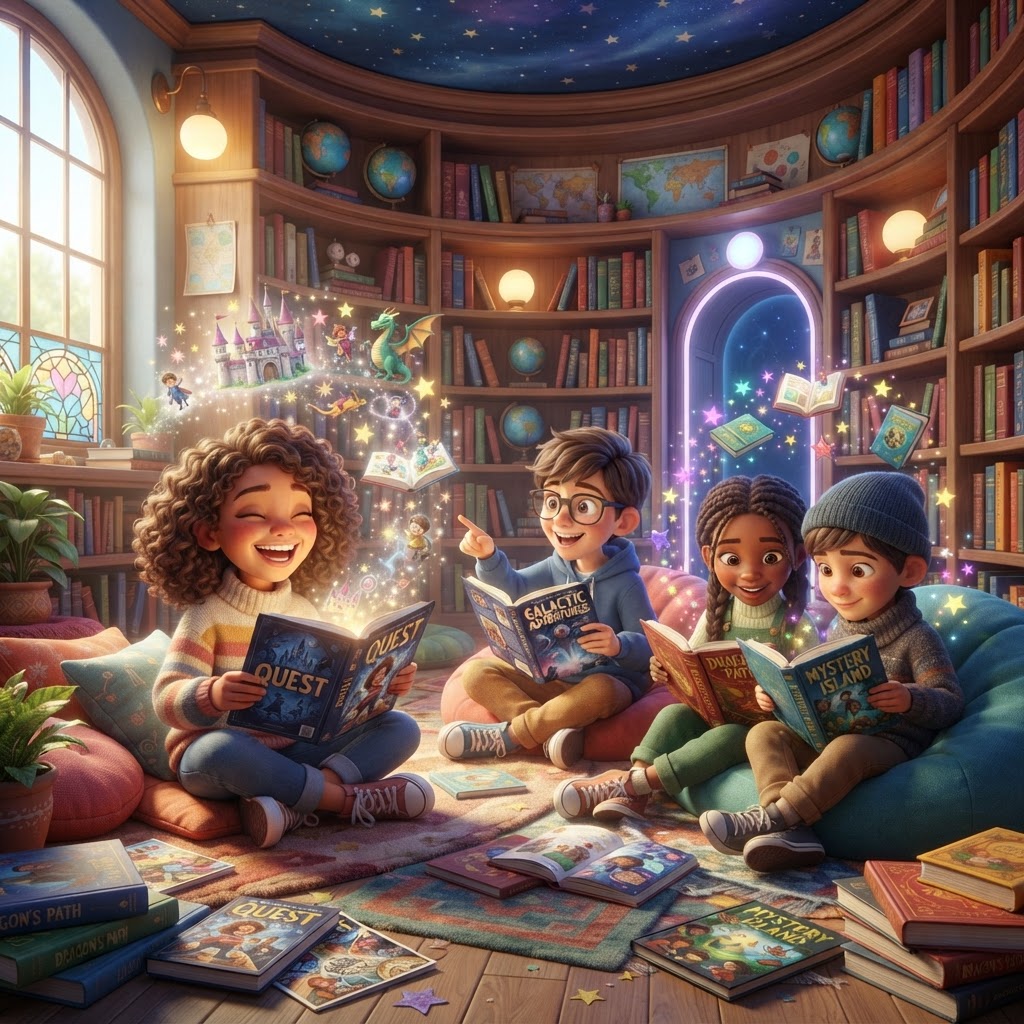
Books can take you anywhere! Papelucho, by Chilean writer Marcela Paz, shares the funny thoughts and adventures of a boy. Harry Potter offers magic and friendship for confident readers. Diary of a Wimpy Kid has humorous school stories, while comics and graphic novels combine pictures with exciting dialogue.
Reading tip: Read one short page in English and circle words you recognize.
Music & Dance
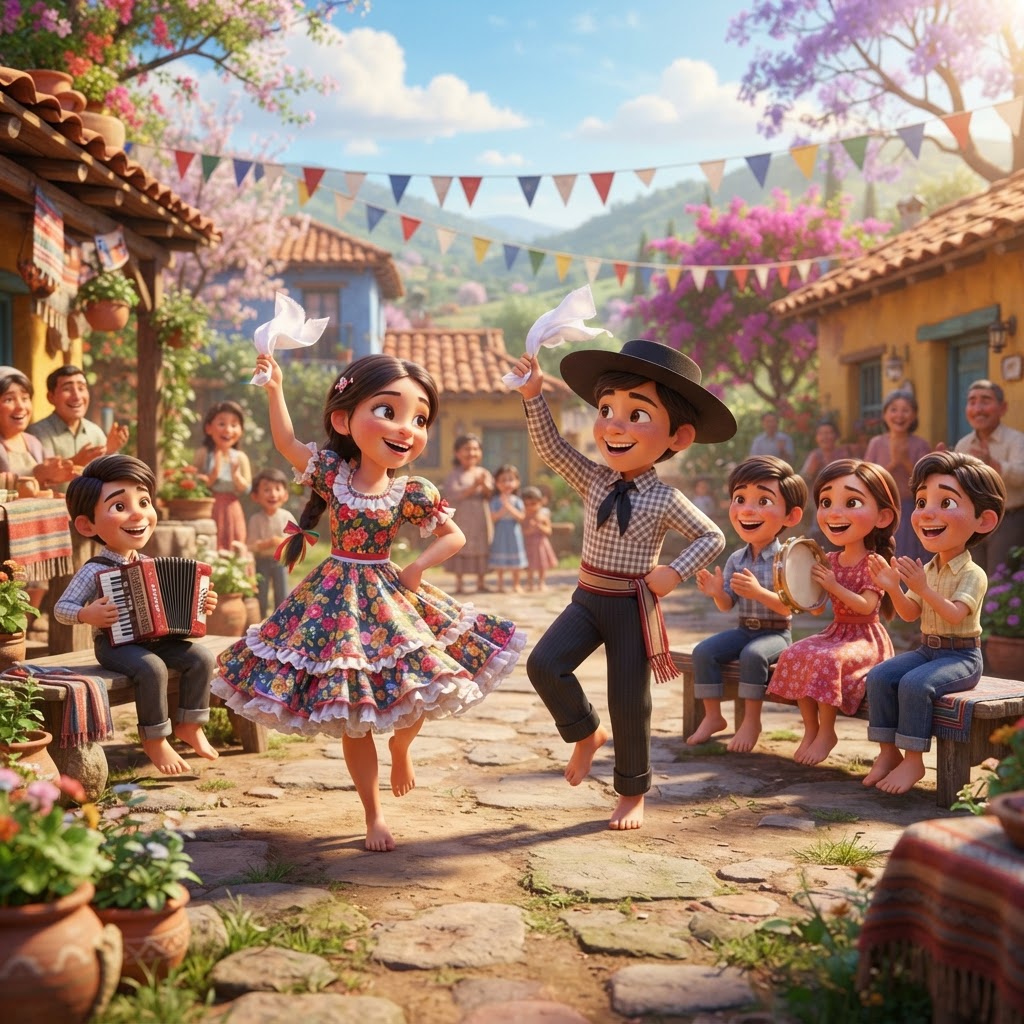
Kids can dance to cheerful pop, family-friendly Latin music, movie songs, and K-pop tracks with suitable lyrics. Music by artists such as Shakira can inspire fun dance routines. Chilean folk music is also special: during September, many children practice the cueca for Fiestas Patrias.
Clap to the beat and follow this instruction: “Step left, step right, and turn around!”
Hobbies & After-School Fun
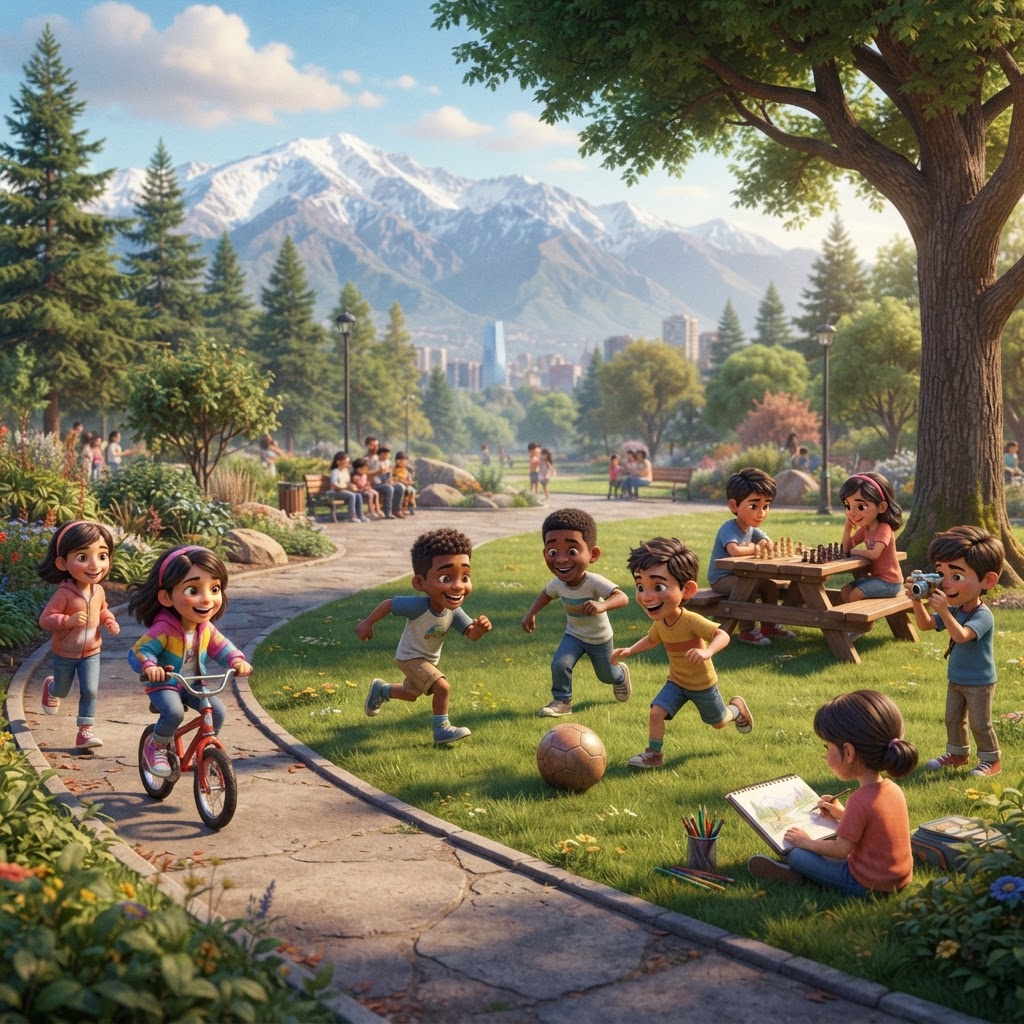
Football is very popular in Chile, and children also enjoy basketball, volleyball, skating, cycling, and swimming. Indoor hobbies include drawing, crafts, reading, coding, chess, baking with an adult, and playing board games. Outdoor explorers can visit a park, watch birds, or take nature photos with permission.
Speak: “After school, I like to play football with my friends.”
School Subjects Vocabulary
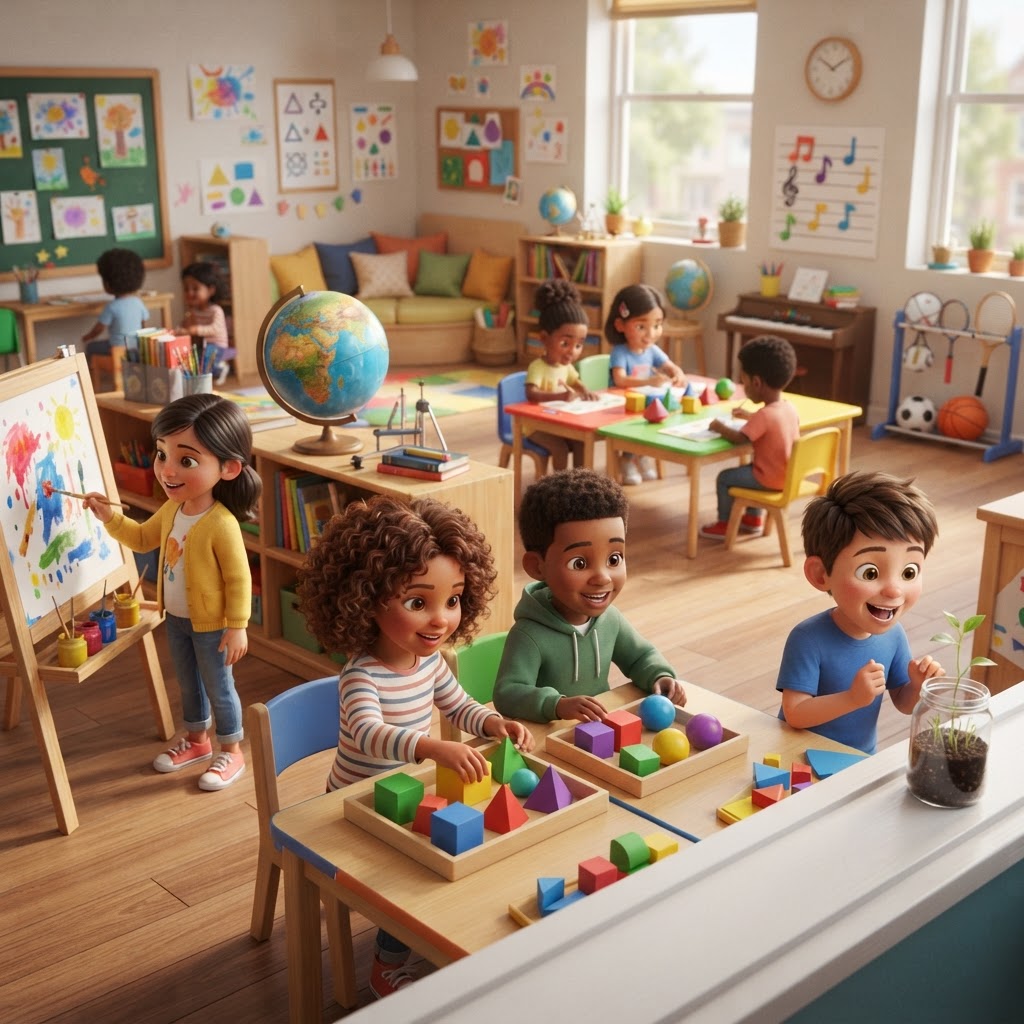
Use these words to talk about your school day:
- Math — Matemáticas: We solve a math problem.
- Science — Ciencias: We learn about plants in science.
- History — Historia: History teaches us about the past.
- Geography — Geografía: I can find Chile on the map.
- Art — Arte: We paint colorful pictures in art.
- Physical Education — Educación Física: We run and play in Physical Education.
- Language — Lenguaje: I read a story in language class.
- Music — Música: We sing a song in music class.
Grammar Power-Up
1. Like + noun or verb-ing
Explicación: Usamos like para hablar de cosas o actividades que nos gustan. Después de like podemos usar un sustantivo o un verbo terminado en -ing.
English: I like comics. / I like reading comics.
Español: Me gustan los cómics. / Me gusta leer cómics.
2. Can for abilities
Explicación: Usamos can para decir que alguien sabe o puede hacer algo. Después de can, el verbo va en su forma base.
English: She can dance the cueca.
Español: Ella sabe bailar cueca.
Quick Quiz
Which Chilean story character writes about his funny adventures?
A. Papelucho
B. Bluey
C. LadybugWhich activity is popular during Fiestas Patrias?
A. Dancing cueca
B. Building a snowman
C. Surfing on the MoonWhich sentence correctly describes an ability?
A. I can swimming.
B. I can swim.
C. I can swims.
Answers: 1-A, 2-A, 3-B. Great work, English explorer!