
English Adventure: Saturday Fun in Chile!
Hello, young explorers! Today is Saturday, September 12, 2026. Let’s discover fun things from Chile while we learn easy English. Read aloud, try the new words, and remember: every mistake helps your English grow!
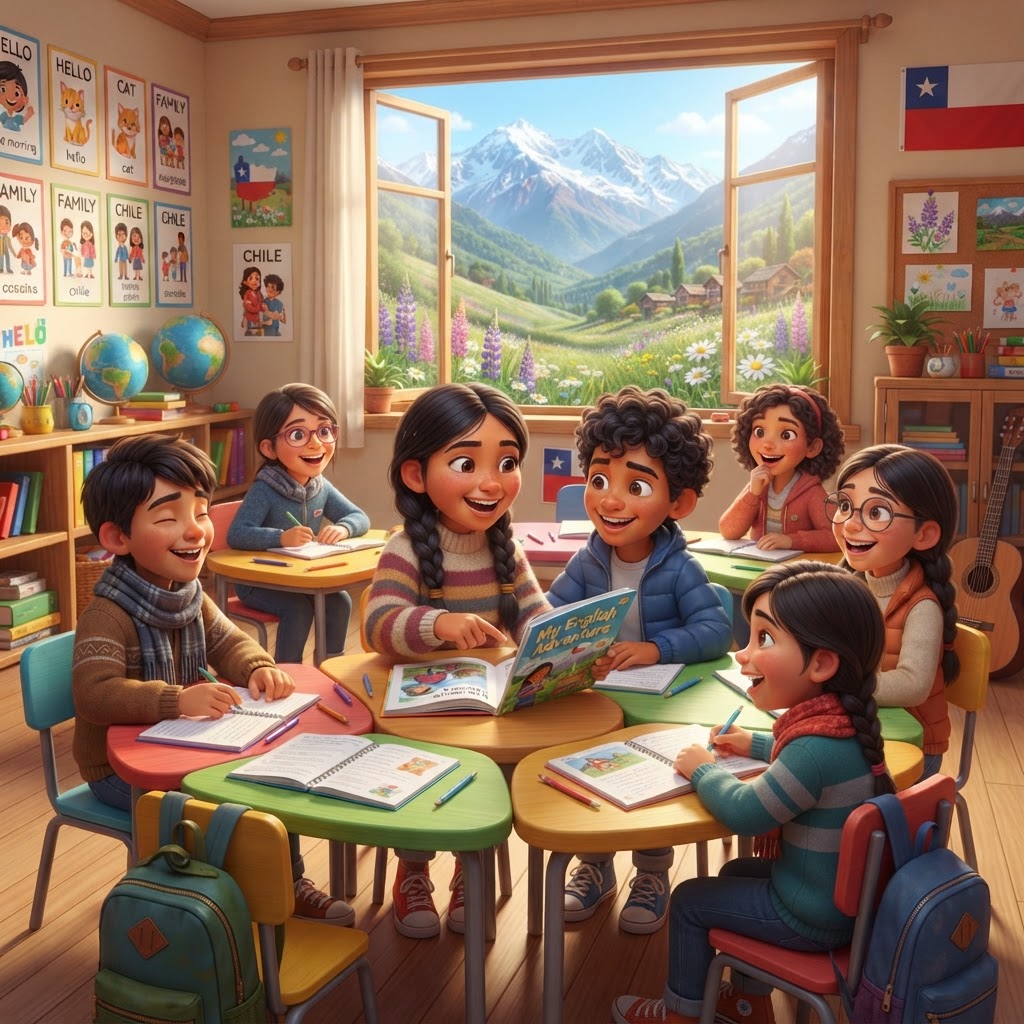
Cartoons Kids Are Watching in Chile
Many children in Chile enjoy animated adventures on TV and streaming services. Shows such as Bluey, Pokémon, Miraculous: Tales of Ladybug & Cat Noir, and Teen Titans Go! are familiar favorites. Younger viewers may also enjoy Peppa Pig. Cartoons can help you hear short English sentences. Choose a safe episode with an adult, turn on English audio, and listen for words you know.

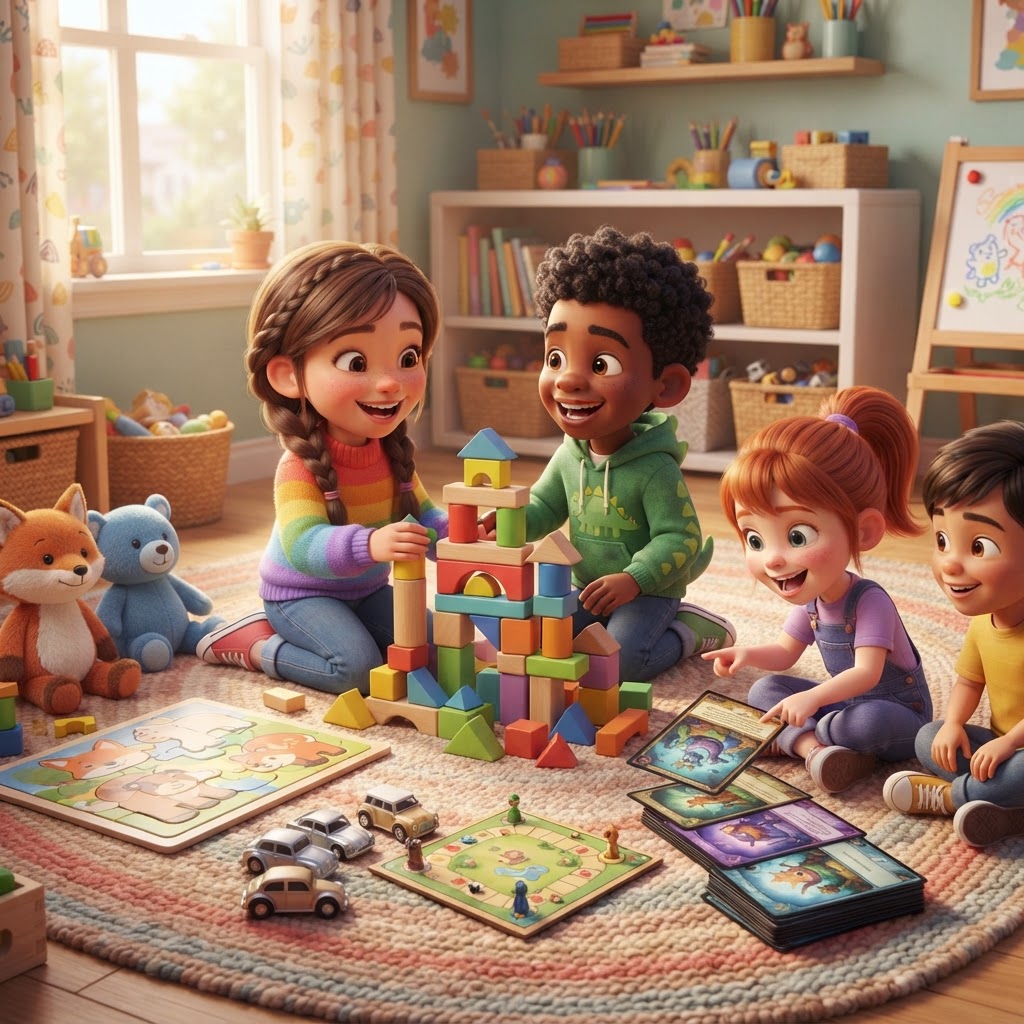
Toys & Collectibles
Building bricks, dolls, toy cars, puzzles, plush animals, and trading cards are fun choices. Children also enjoy board games and collectible figures. You can practice English while playing: say “My turn,” “Your turn,” “I have three cards,” or “Let’s build a spaceship!” Remember to trade collectibles fairly and ask an adult before buying anything.
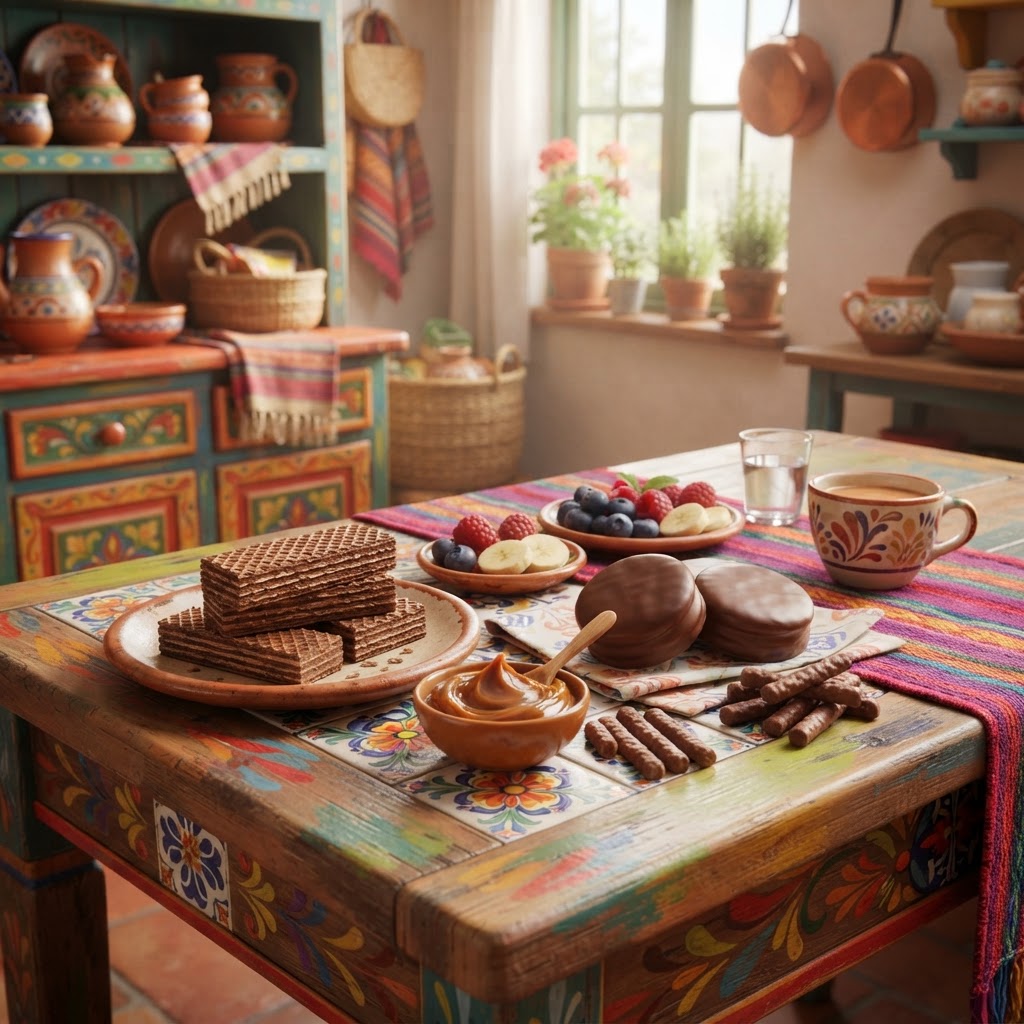
Sweet Treats & Candies
Chile has many tasty snacks. A Super 8 is a chocolate-covered wafer, and a Chocman is a soft cake with chocolate coating. Negrita, now also sold as Chokita, is another well-known sweet. Children may also know Ramitas, crunchy salty sticks, and manjar, a sweet milk spread. Treats are delicious sometimes, but water, fruit, and balanced meals help you stay strong.
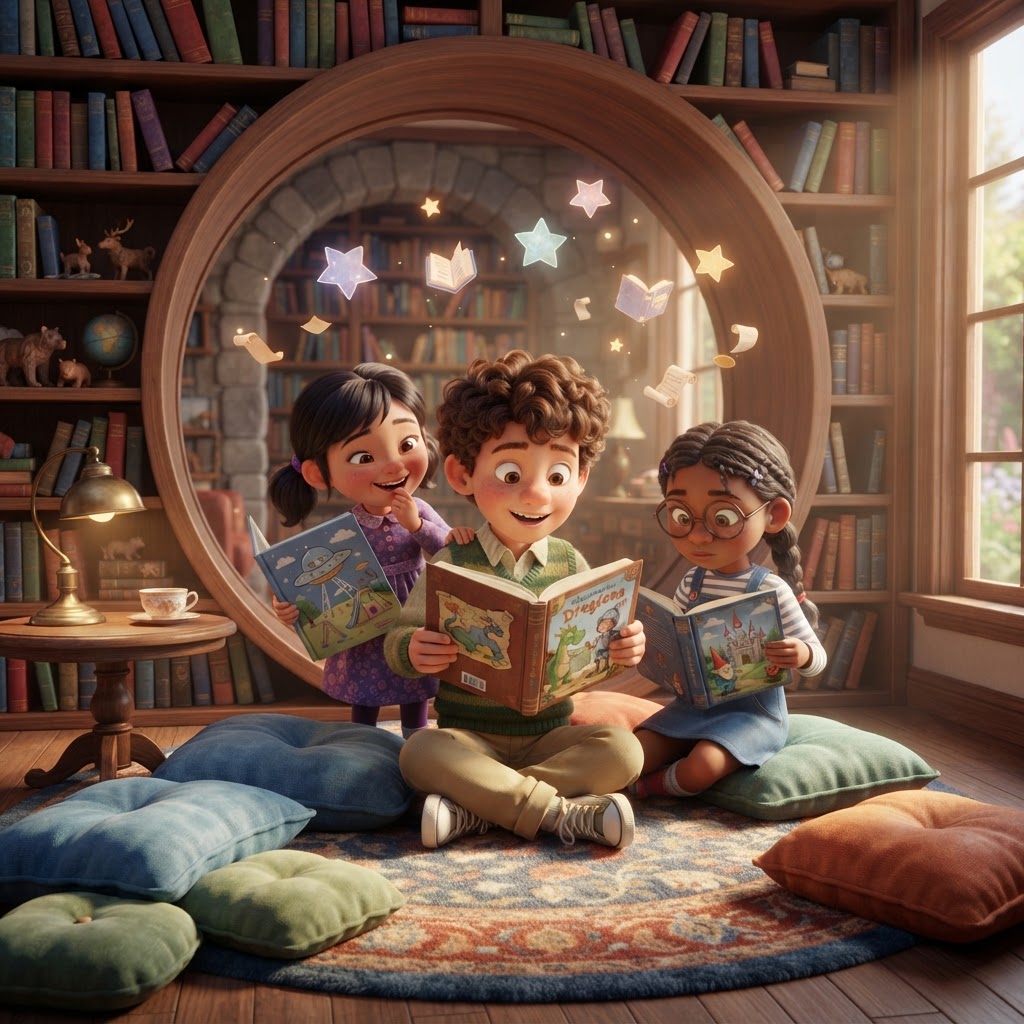
Books & Stories
Books are doors to new worlds! Chilean readers may enjoy the funny adventures of Papelucho by Marcela Paz. Fray Perico y su borrico by Juan Muñoz Martín offers humorous adventures, while Charlie and the Chocolate Factory by Roald Dahl brings readers into an imaginative factory. Older children can explore Harry Potter and the Philosopher’s Stone with family guidance. Try reading one easy page in English and write down two new words.
Music & Dance
Pop, K-pop, movie songs, and Latin rhythms are popular choices for dancing. Young listeners may enjoy clean, age-appropriate songs by artists such as Taylor Swift, BTS, or Chilean group Los Bunkers. In September, cueca is especially important in Chile. Ask an adult to help you choose a clean song. Listen for simple words like “love,” “dance,” “friend,” and “happy,” then create a safe dance routine!
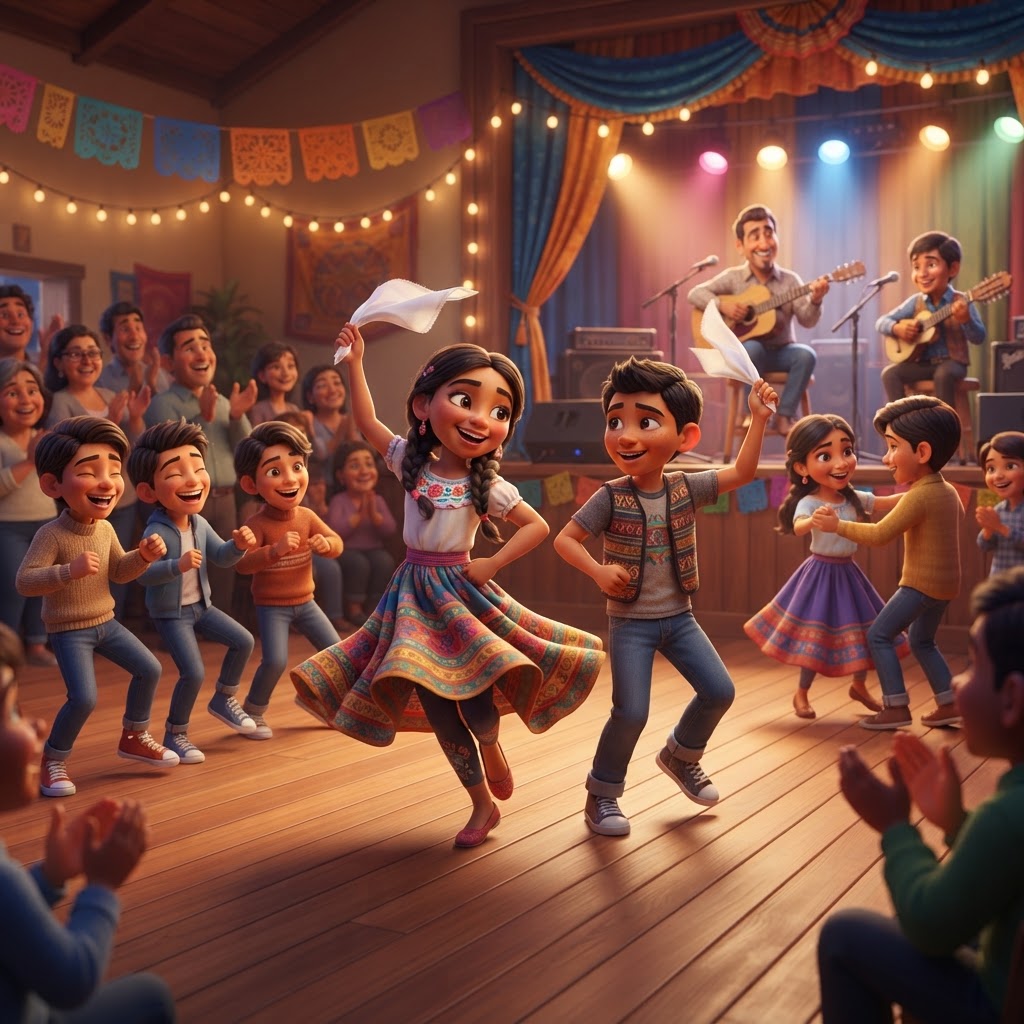
Hobbies & After-School Fun
Football, basketball, cycling, skating, dance, drawing, crafts, chess, and video games are popular after-school activities. Outdoor explorers can hike with their families and observe Chile’s amazing plants, birds, mountains, and coast. Try describing your hobby: “I play football on Saturdays,” “I like drawing animals,” or “We ride our bikes in the park.” Always use safety equipment and follow an adult’s rules.
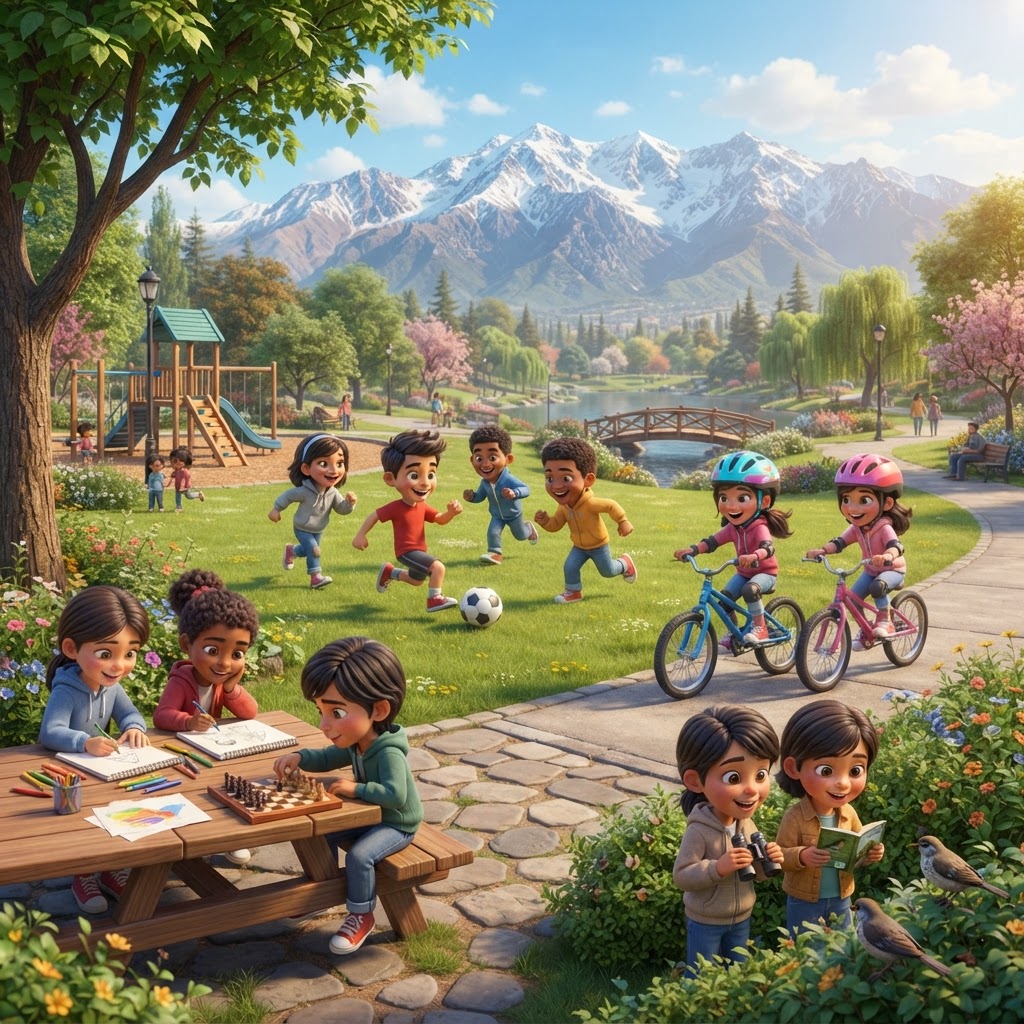
School Subjects Vocabulary
Use these words to talk about your school day:
- Mathematics — Matemáticas: We solve a problem in Mathematics.
- Science — Ciencias: We learn about plants in Science.
- History — Historia: History teaches us about the past.
- Geography — Geografía: I can find Chile on a map in Geography.
- Art — Arte: We paint colorful pictures in Art.
- Physical Education — Educación Física: We run and play in Physical Education.
- Language — Lenguaje: I read a story in Language class.
- Music — Música: We sing and learn rhythm in Music.
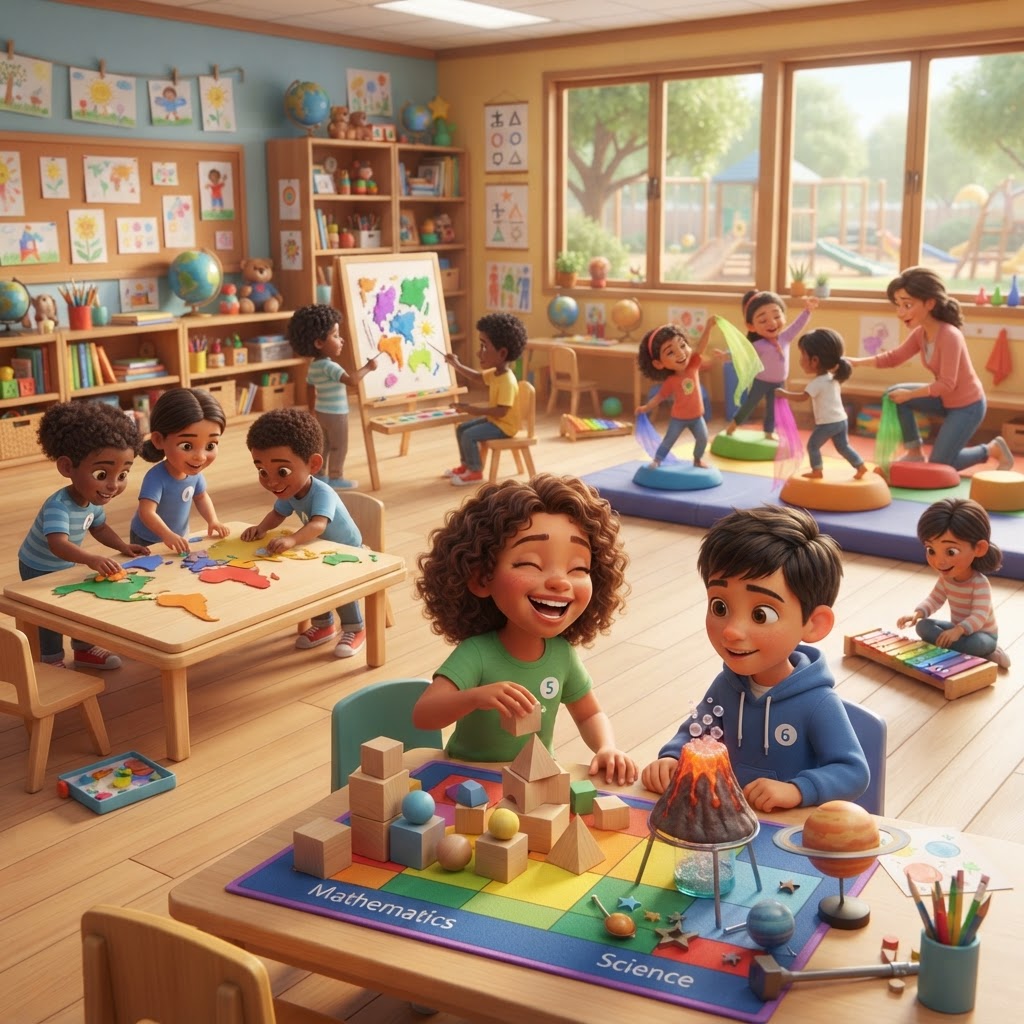
Grammar Power-Up
1. Present Simple
Explicación: Usamos el presente simple para hablar de rutinas, gustos y hechos. Con he, she o it, normalmente agregamos -s al verbo.
English: I play football on Saturdays. / She reads after school.
Español: Juego fútbol los sábados. / Ella lee después de clases.
2. Can and Can’t
Explicación: Usamos can para expresar habilidad y can’t para decir que no podemos hacer algo. El verbo que sigue se mantiene en su forma base.
English: I can dance cueca. / I can’t fly.
Español: Puedo bailar cueca. / No puedo volar.
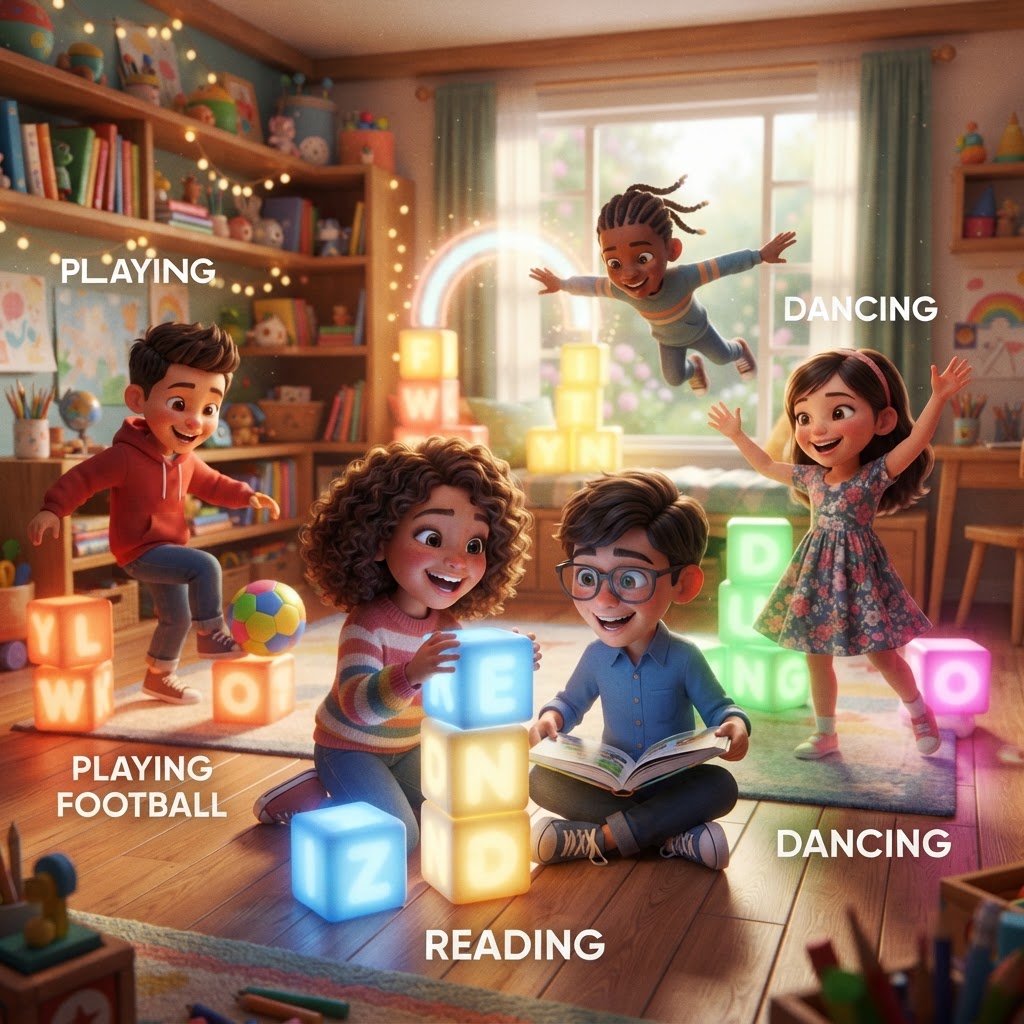
Quick Quiz
Which Chilean character has funny adventures?
A) Papelucho B) Bluey C) Pikachu
Which phrase tells another player it is their moment to play?
A) Good night B) Your turn C) Open the book
Which dance is especially important in Chile during September?
A) Cueca B) Ballet C) Tap
Answers: 1-A, 2-B, 3-A. Great work, English explorer!