
Hello, English Explorers!
Happy Monday! Today is September 14, 2026. Let’s discover fun things that many kids in Chile enjoy. We will talk about cartoons, toys, treats, books, music, hobbies, and school. Read aloud, learn new words, and have fun!
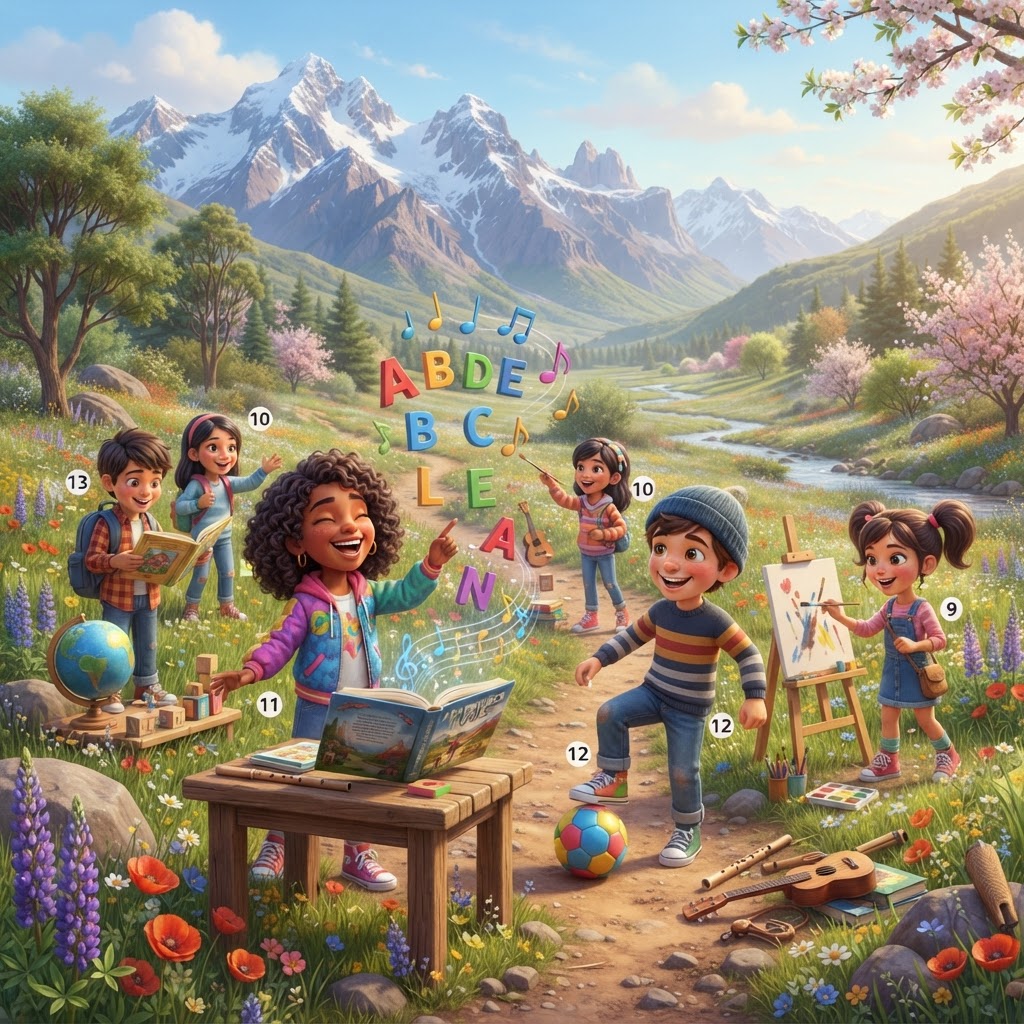
Cartoons Kids Are Watching in Chile
Kids can enjoy animated adventures such as Bluey, Pokémon, Miraculous: Tales of Ladybug & Cat Noir, and Dragon Ball. Bluey turns family games into big adventures. Pokémon is full of teamwork and exciting creatures. Ladybug protects Paris with courage, while Dragon Ball has action and friendship.
Try this sentence: “My favorite cartoon character is funny and brave.”
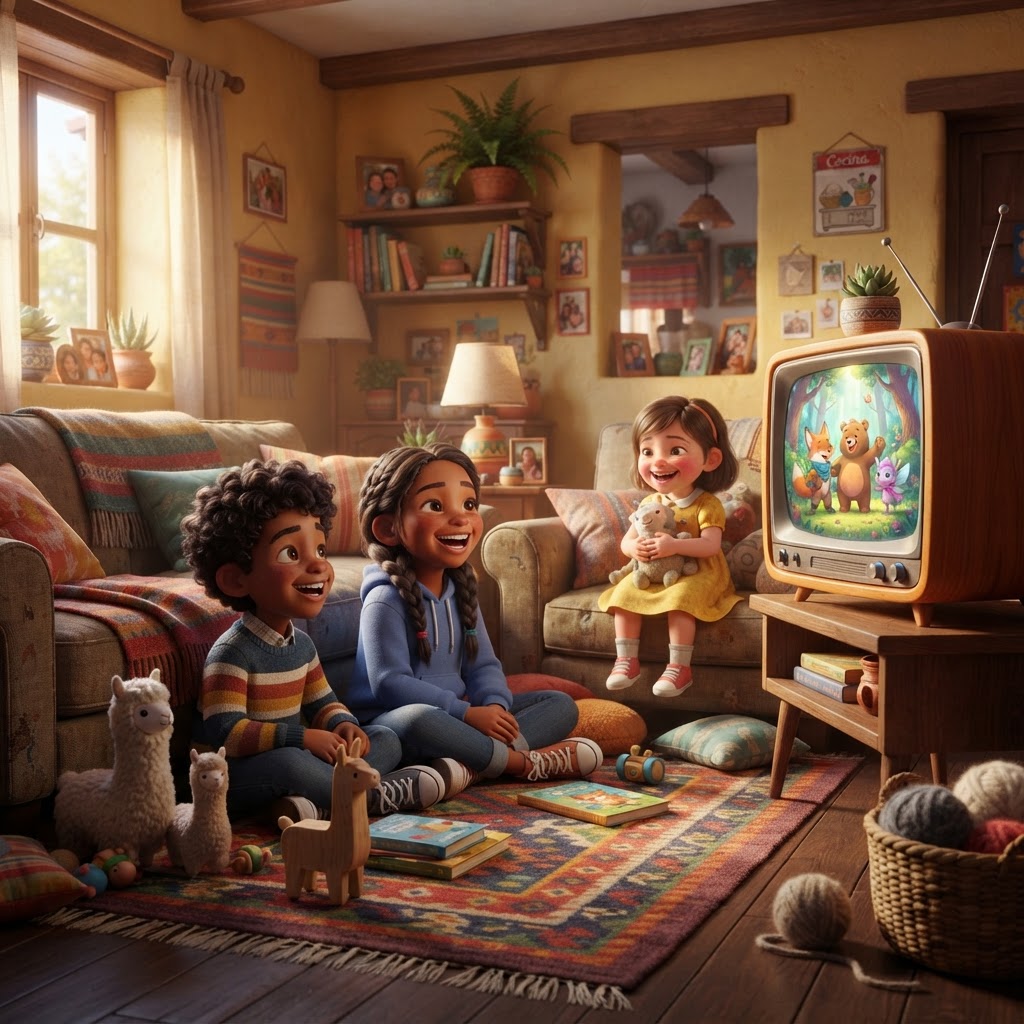
Toys & Collectibles
Building bricks, dolls, toy cars, puzzles, trading cards, and plush animals are fun choices. Some children collect Pokémon cards or small figures. Others enjoy board games with friends and family. Remember: collecting is for fun, and you do not need every item!
Try this sentence: “I keep my cards in a colorful box.”
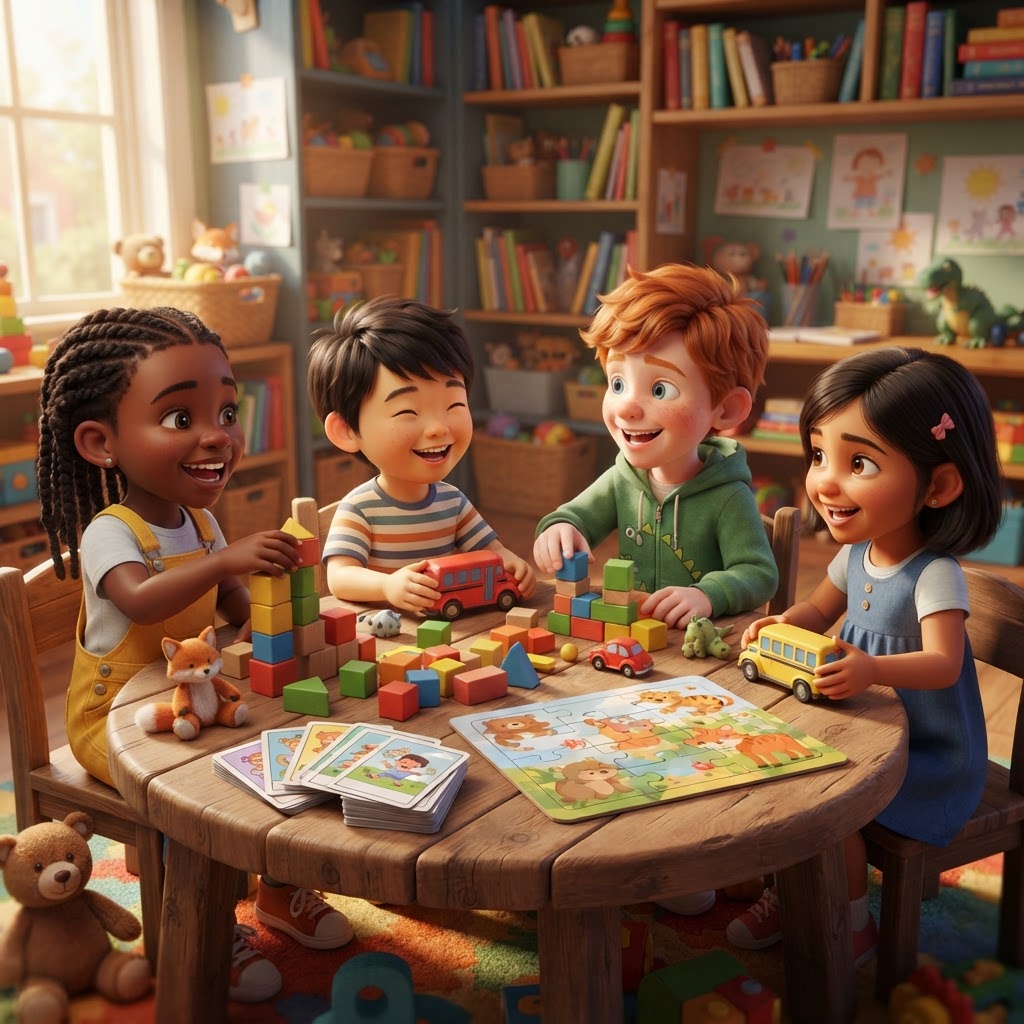
Sweet Treats & Candies
Chile has many famous snacks. A Super 8 is a chocolate-covered wafer. Chocman is a soft cake with chocolate coating, and Manjarate is a creamy manjar dessert. Children may also know Frugelé fruit-flavored gummies and Cuchuflí, a crispy wafer roll that can contain manjar.
Sweet treats are best as an occasional snack. Enjoy a small portion and remember to brush your teeth!
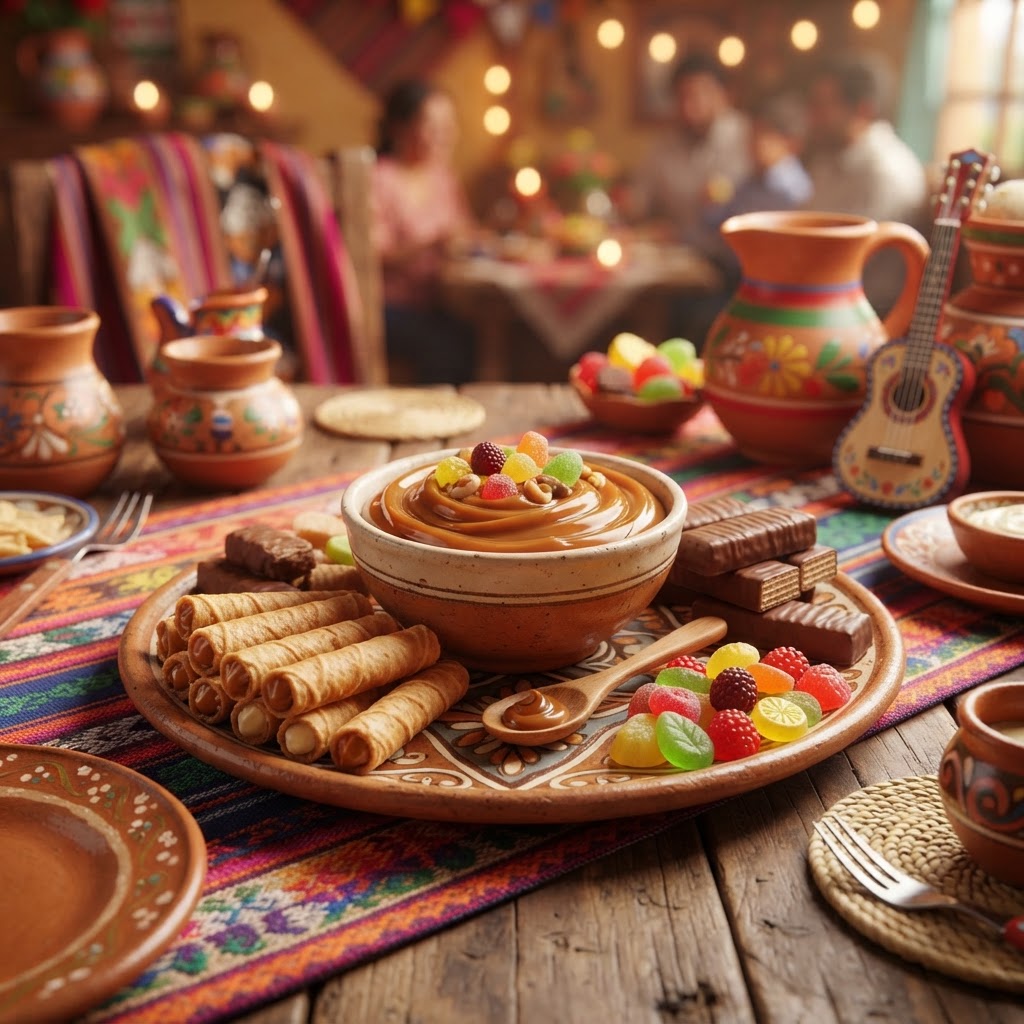
Books & Stories
Books can take you anywhere! Younger readers may enjoy Papelucho by Marcela Paz, a funny Chilean classic told like a diary. Las aventuras de Ogú, Mampato y Rena offers Chilean comic-book adventures. Readers can also explore Dog Man, Diary of a Wimpy Kid, or magical fantasy stories such as Harry Potter and the Philosopher’s Stone.
Choose a book that feels comfortable for you. Reading ten minutes a day is a great start!

Music & Dance
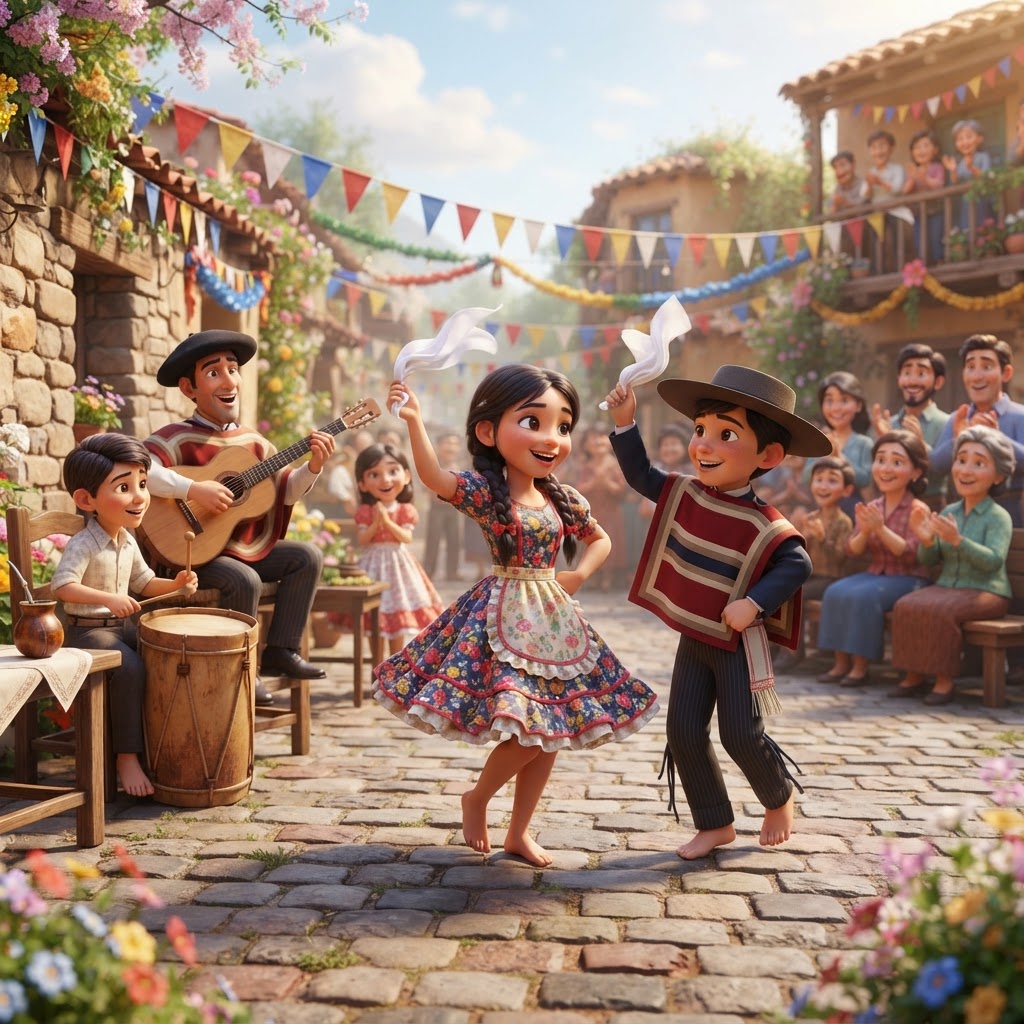
Children in Chile hear pop, Latin pop, movie songs, K-pop, and Chilean music. Family-friendly songs by artists such as Shakira, BTS, TWICE, or Los Bunkers can make a lively playlist. In September, cueca is especially important because it is Chile’s national dance. Dancers wave handkerchiefs and move to a cheerful rhythm.
Always choose clean song versions and ask an adult before using a music app.
Hobbies & After-School Fun
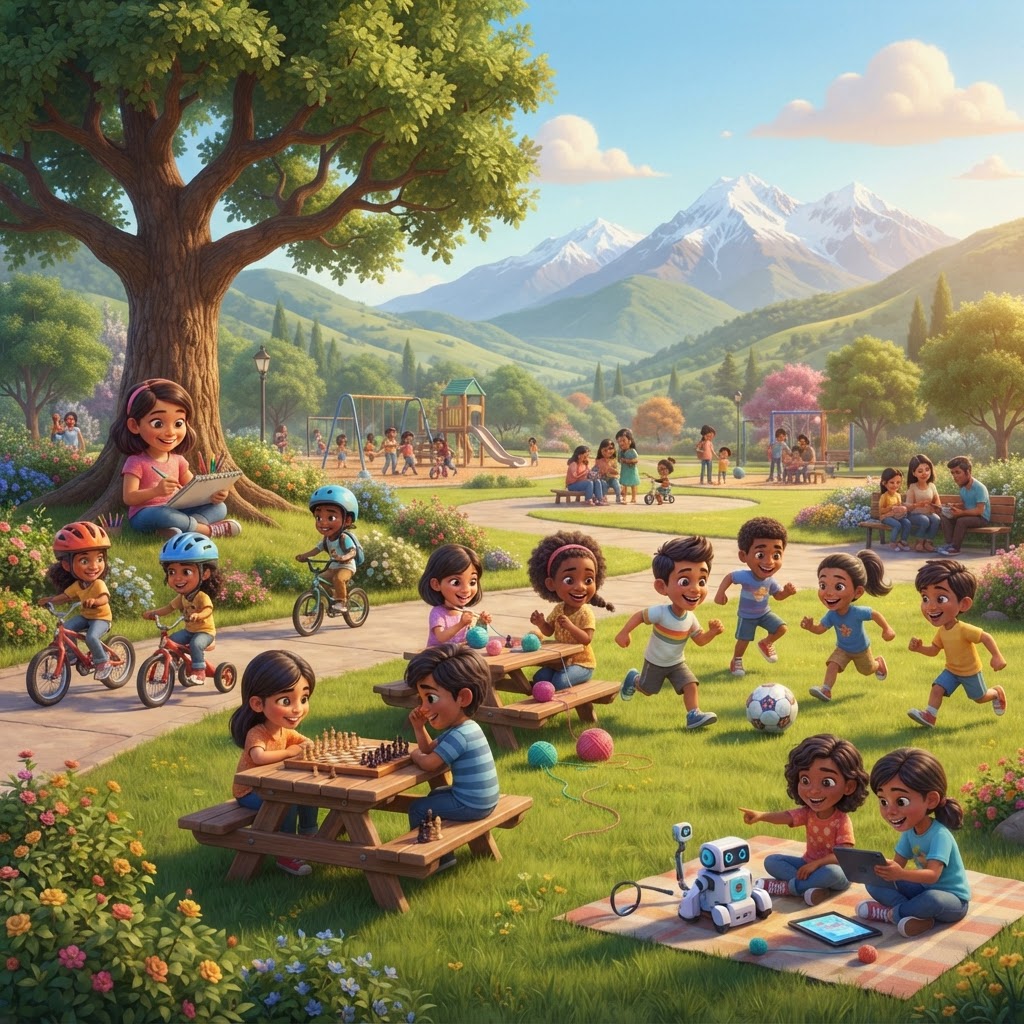
Football is very popular, but kids also enjoy basketball, volleyball, skating, cycling, swimming, and dancing. Indoor hobbies include drawing, crochet, building models, reading, chess, coding, and making crafts. You can also explore nature with an adult or play a board game with your family.
Try this question: “What do you like doing after school?”
School Subjects Vocabulary
Use these words when you talk about your school day:
- Math — Matemáticas: “We learn fractions in Math.”
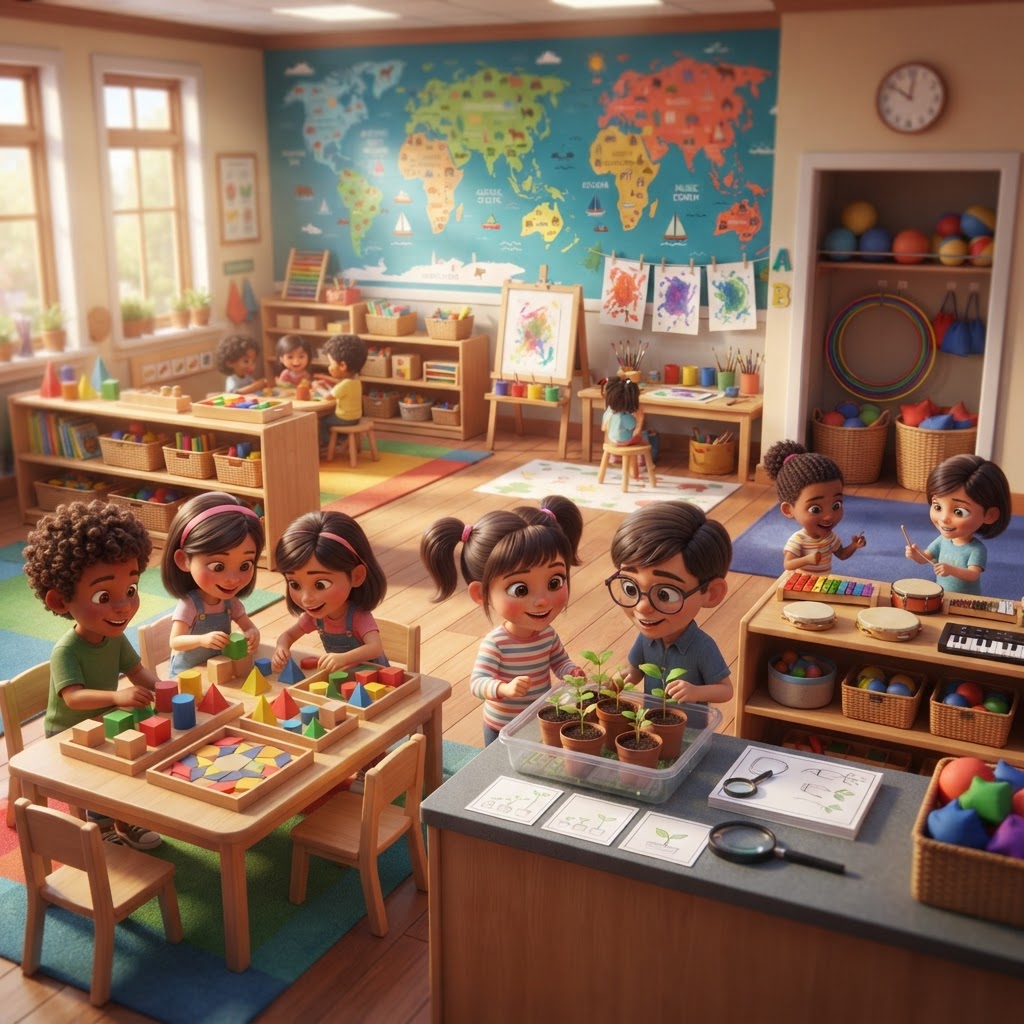
- Science — Ciencias: “I do a plant experiment in Science.”
- History — Historia: “We learn about Chile in History.”
- Geography — Geografía: “I find the Andes on a map in Geography.”
- Language Arts — Lenguaje: “We write a short story in Language Arts.”
- English — Inglés: “I practice new words in English.”
- Art — Artes: “I paint a bright picture in Art.”
- Music — Música: “We clap a rhythm in Music.”
- Physical Education — Educación Física: “We play with a ball in Physical Education.”
- Technology — Tecnología: “We design a simple project in Technology.”
Grammar Power-Up
1. “Like” + verbo terminado en “-ing”
En inglés, podemos usar like + verbo con -ing para hablar de actividades que nos gustan. Ejemplo en inglés: “I like reading comics.” Ejemplo en español: “Me gusta leer cómics.” Para preguntar, usamos: “Do you like dancing?”
2. Presente simple para rutinas
Usamos el presente simple para hábitos y rutinas. Con he, she o it, normalmente agregamos -s al verbo. Ejemplo en inglés: “She plays football after school.” Ejemplo en español: “Ella juega fútbol después de la escuela.”
Quick Quiz
Which Chilean character tells funny adventures like a diary?
A) Papelucho
B) Bluey
C) LadybugWhat do cueca dancers wave?
A) Maps
B) Handkerchiefs
C) Trading cardsWhich sentence correctly describes a routine?
A) She play football after school.
B) She plays football after school.
C) She playing football after school.
Answers: 1-A, 2-B, 3-B. Fantastic work, English Explorer!