
Today’s English Adventure!
Hello, English explorers! Today is September 15, 2026. Spring is almost here in Chile, and the Fiestas Patrias holiday is coming soon! Let’s discover fun cartoons, toys, treats, books, music, hobbies, and school words. Read, smile, and learn!
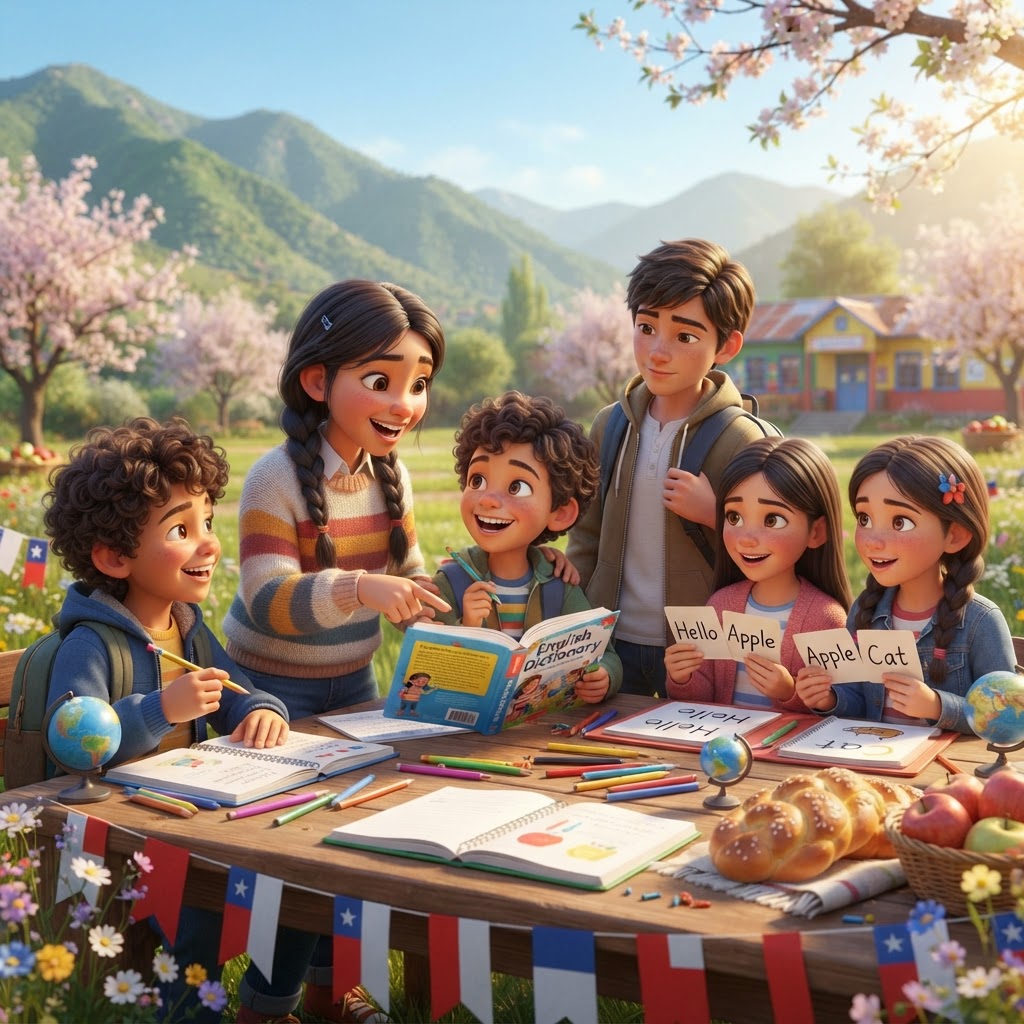
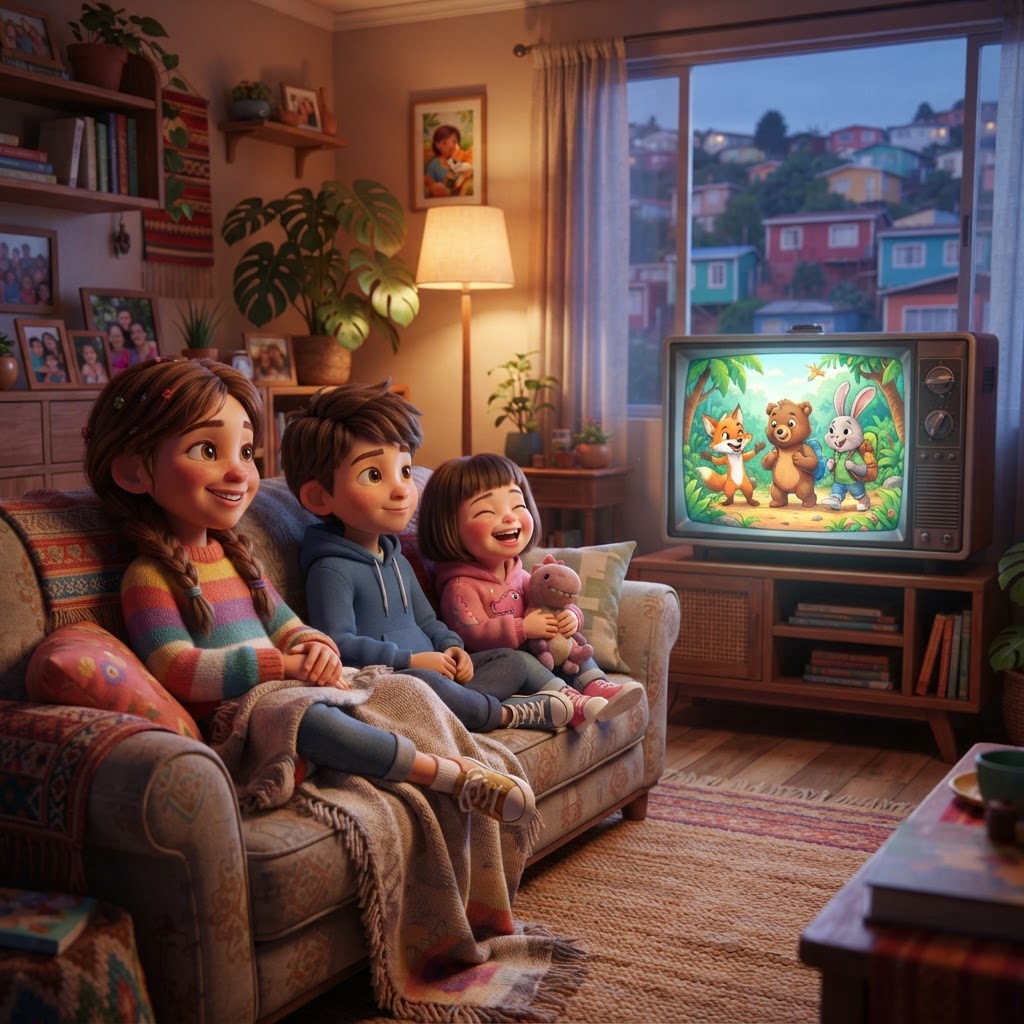
Cartoons Kids Are Watching in Chile
Children in Chile can enjoy animated shows on TV and streaming platforms. Popular choices include Bluey, Pokémon, Miraculous: Tales of Ladybug & Cat Noir, and The Amazing World of Gumball. Bluey tells warm and funny family stories. Pokémon is full of creatures, journeys, and teamwork. Miraculous has young heroes who protect their city.
Try this sentence: “My favorite cartoon is funny and exciting.”
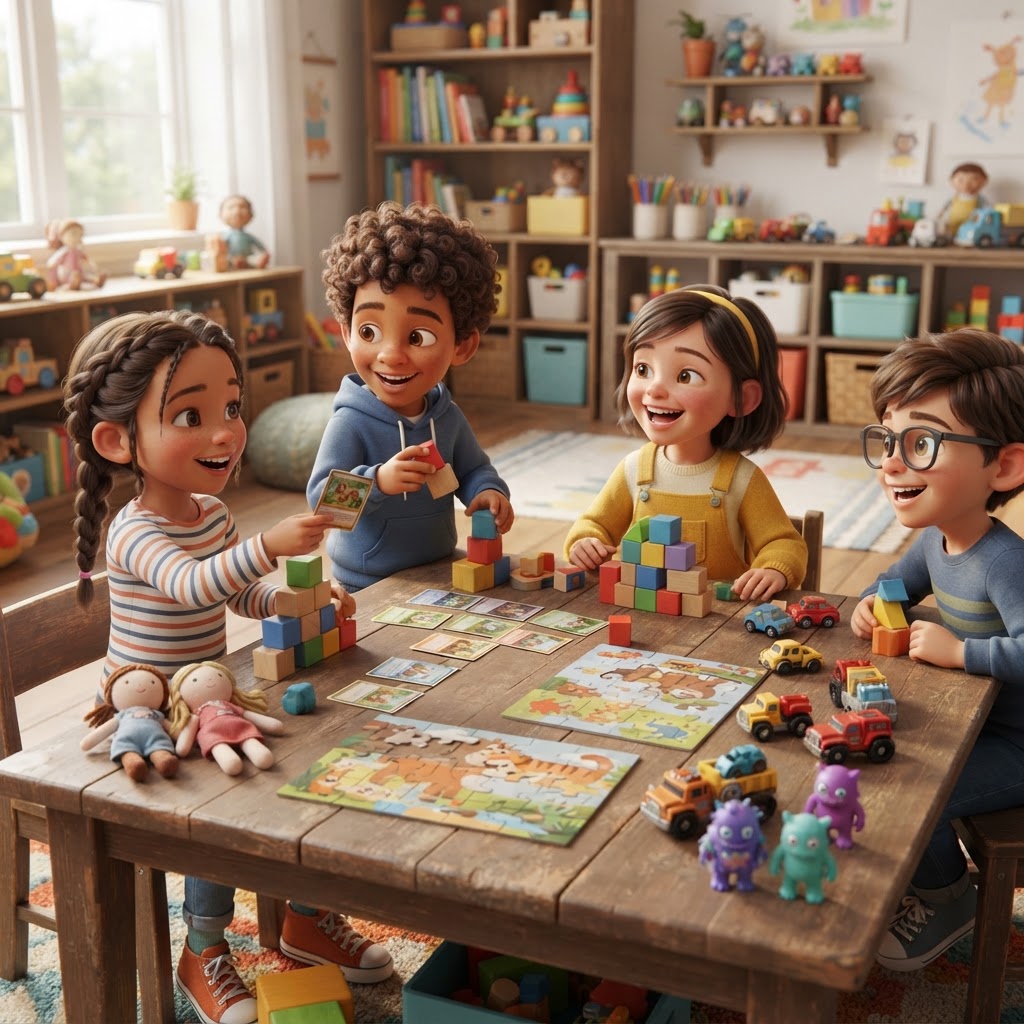
Toys & Collectibles
Building bricks, dolls, toy cars, board games, trading cards, and small collectible figures are fun choices. Many children enjoy creating houses with LEGO-style bricks, collecting Pokémon cards, solving puzzles, or playing games with family and friends.
Remember: collecting is about having fun—not buying everything! You can swap items fairly, protect your favorite pieces, or make a collection of drawings and cool stones.
Try this sentence: “I built a colorful spaceship with my blocks.”
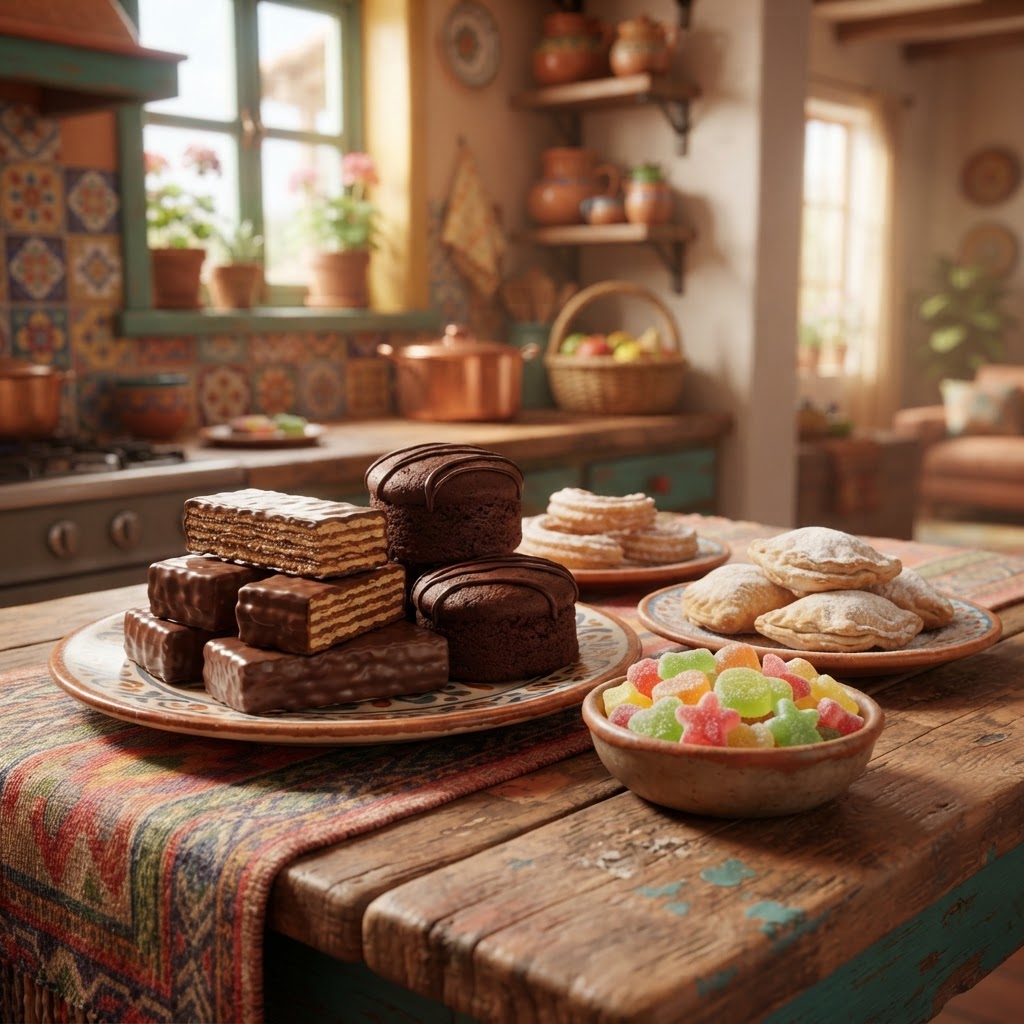
Sweet Treats & Candies
Chile has many famous sweet snacks. A Super 8 is a chocolate-covered wafer. A Chocman is a soft cake with chocolate coating. Frugelé candies are fruity and chewy, and calzones rotos are traditional fried pastries often covered with powdered sugar.
Sweet treats are best as an occasional snack. Enjoy a small portion and remember to brush your teeth!
Try this sentence: “The wafer is crispy and sweet.”
Books & Stories
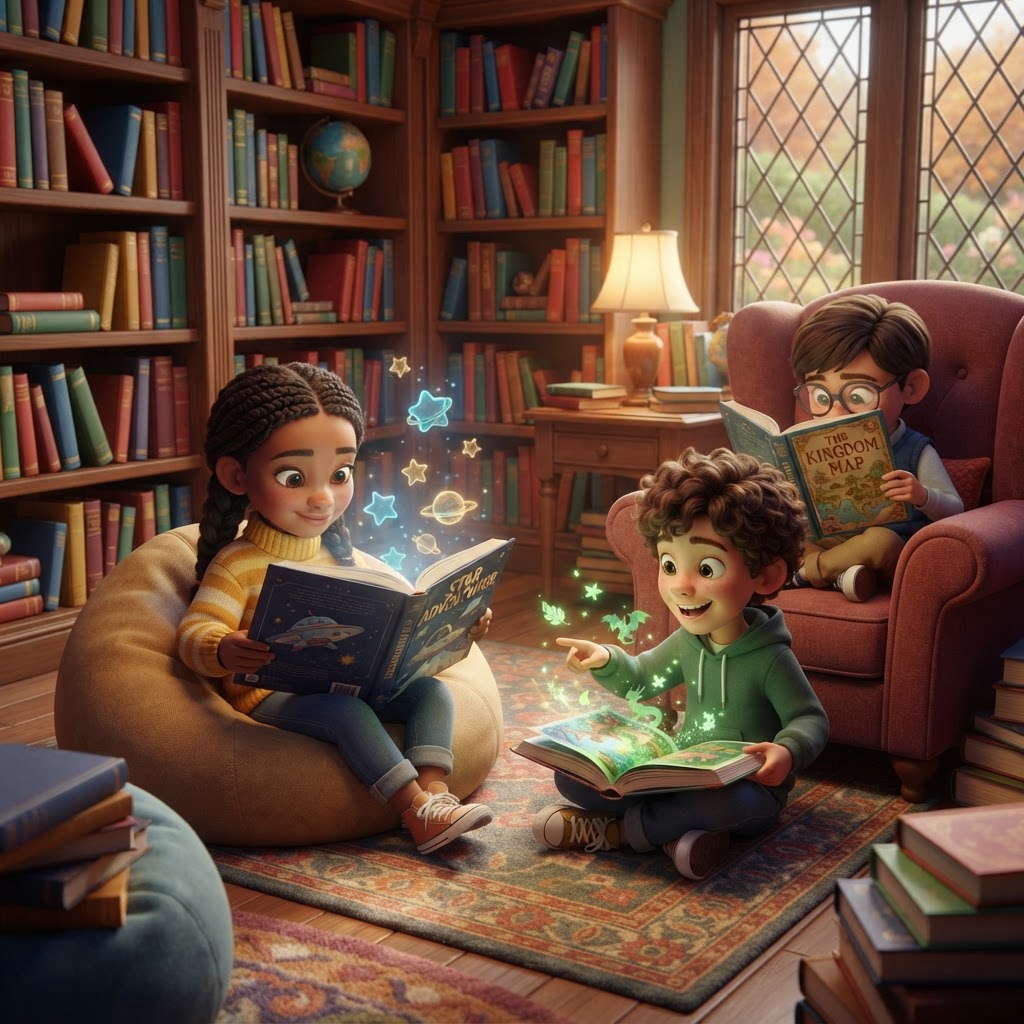
Books can take you anywhere! Younger readers may enjoy El diario de Pilar and illustrated stories by Chilean authors. Adventurous readers can try Papelucho by Marcela Paz, a classic Chilean series about a curious boy. Fantasy fans may like Harry Potter or Percy Jackson, depending on their reading level.
You can also read a familiar story in English. Start with one page and look for words you already know.
Try this sentence: “The brave character begins a new adventure.”
Music & Dance
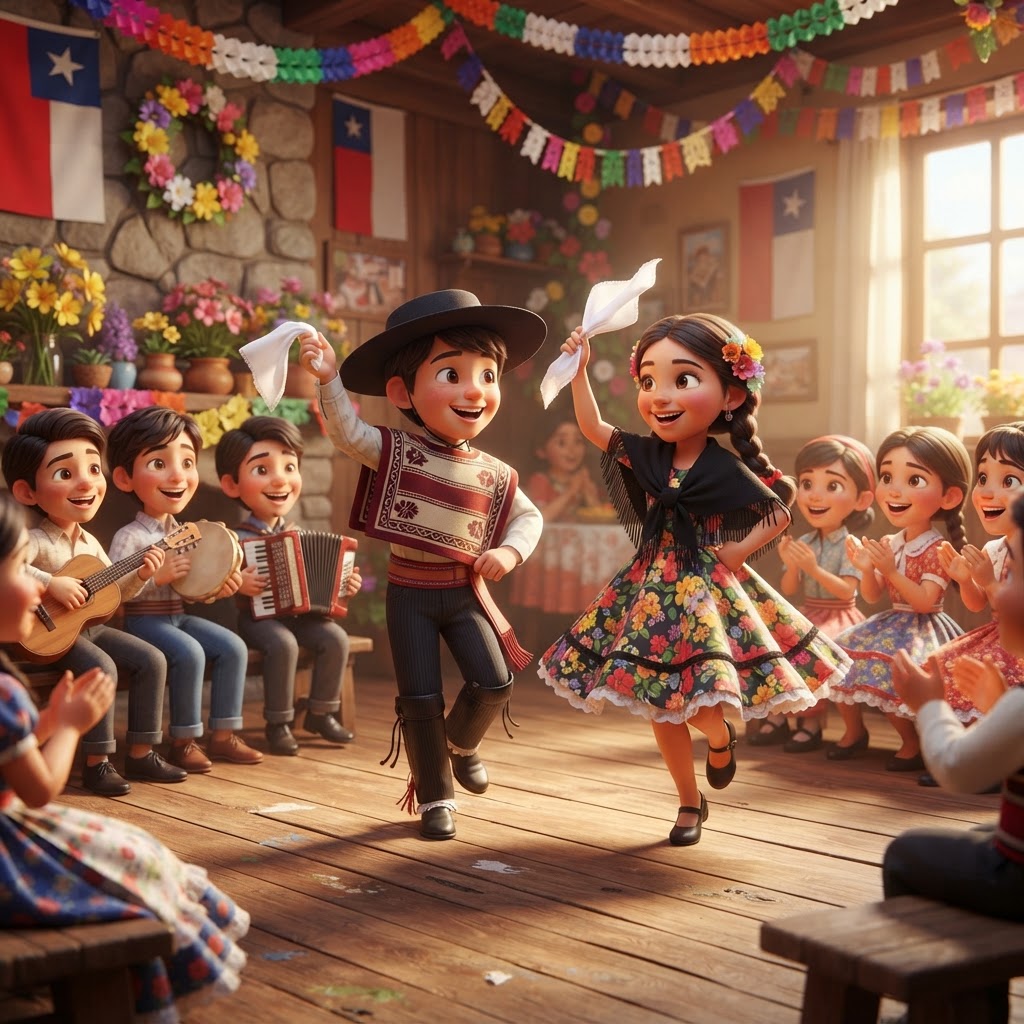
Kids in Chile listen to pop, Latin pop, movie songs, game music, K-pop, and Chilean music. For Fiestas Patrias, families may hear cueca and watch dancers use white handkerchiefs. You can also choose clean, family-friendly songs by artists you enjoy.
Make a safe dance space, follow the beat, and invent three simple moves: clap, turn, and jump!
Try this sentence: “We dance to a cheerful song.”
Hobbies & After-School Fun
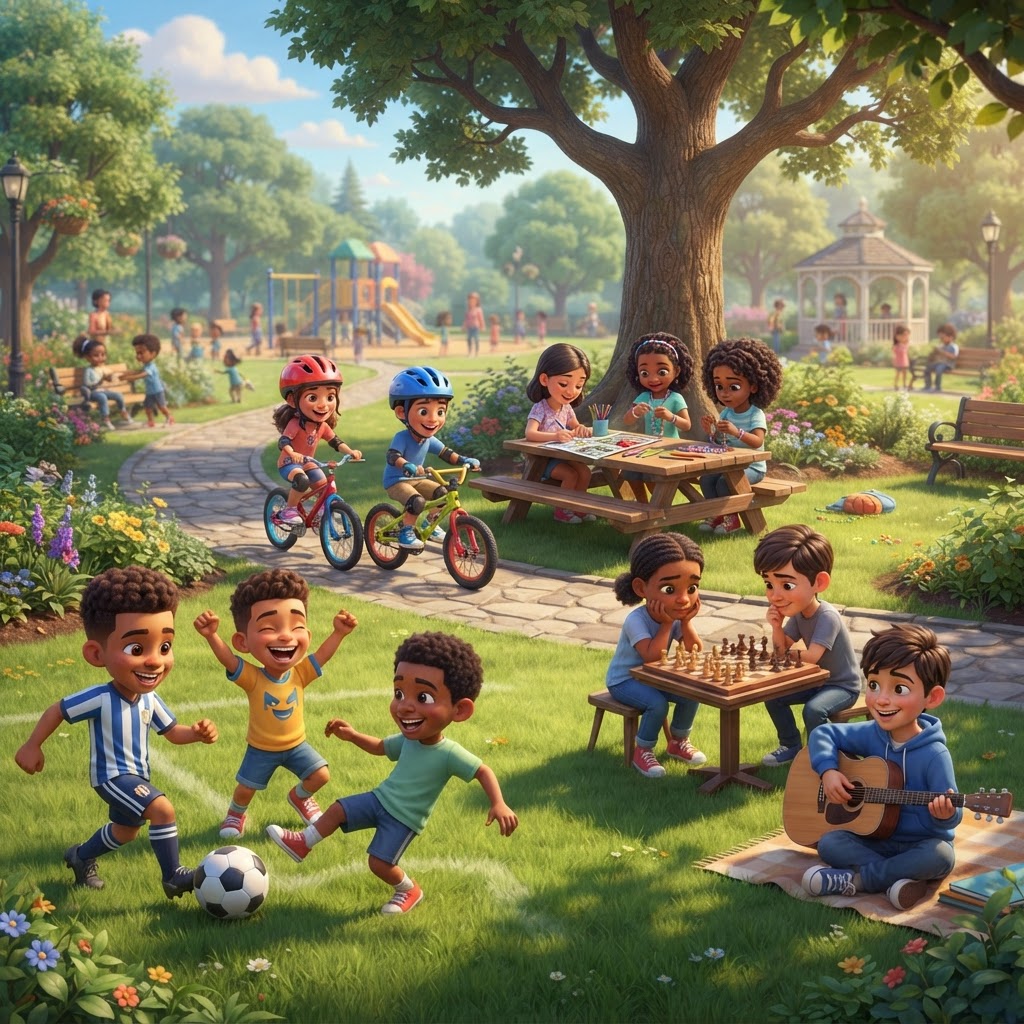
Football is a favorite sport in Chile, but there are many other activities to try. Children can ride bikes, skate, swim, play basketball, draw comics, make bracelets, practice dance, play chess, read, or learn an instrument.
A hobby helps you relax and develop a skill. Invite a friend, wear safety equipment when needed, and celebrate your progress!
Try this sentence: “After school, I practice drawing animals.”
School Subjects Vocabulary
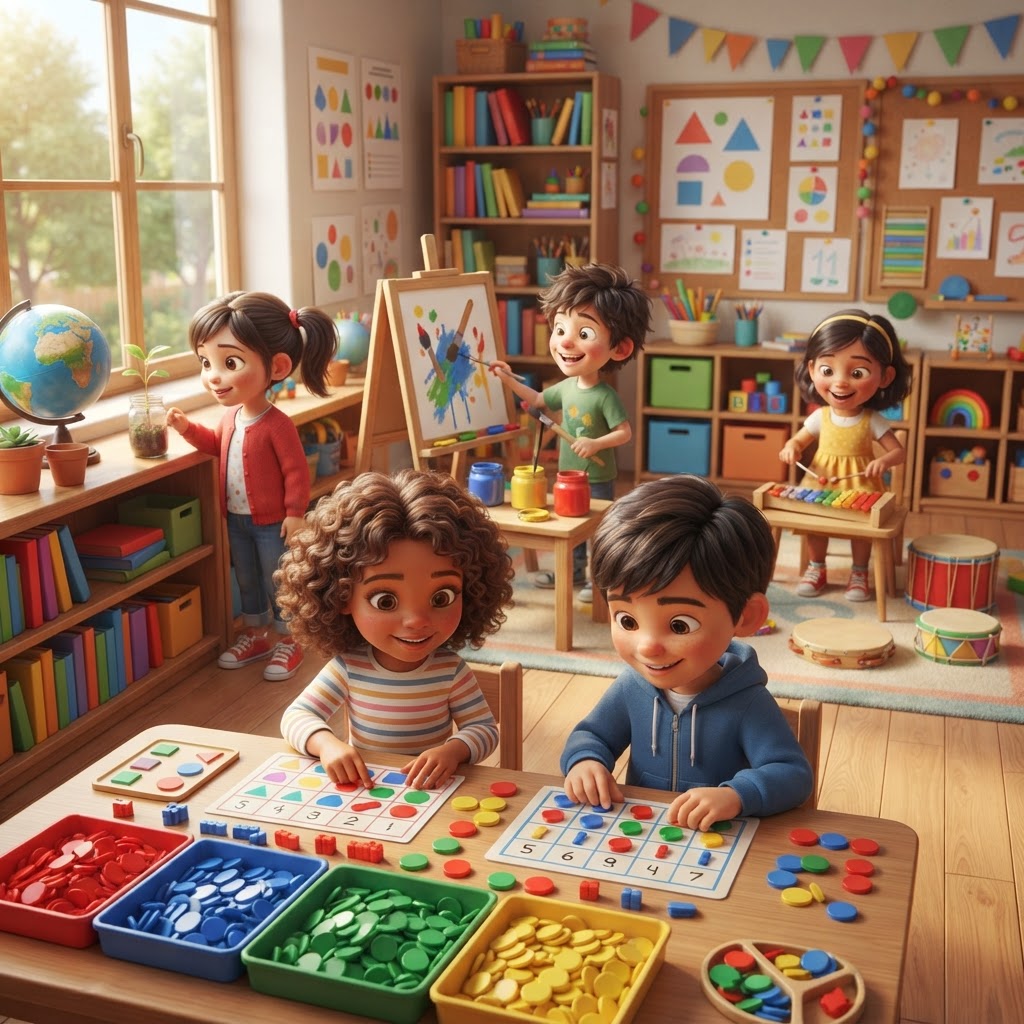
- Maths — Matemáticas: “We solve a number puzzle in Maths.”
- Science — Ciencias: “In Science, we learn about plants.”
- History — Historia: “History teaches us about the past.”
- Geography — Geografía: “We find Chile on the map in Geography.”
- English — Inglés: “I learn five new words in English.”
- Art — Artes: “I paint a bright picture in Art.”
- Music — Música: “We clap a rhythm in Music.”
- Physical Education — Educación Física: “We run and stretch in Physical Education.”
Grammar Power-Up
1. Present Simple
Explicación: Usamos el presente simple para hablar de rutinas, gustos y hechos. Con he, she o it, normalmente agregamos -s al verbo.
English: “I read after school.” / “She reads after school.”
Español: “Yo leo después de clases.” / “Ella lee después de clases.”
2. Can and Can’t
Explicación: Usamos can para decir que alguien puede o sabe hacer algo. Usamos can’t para decir que no puede. El verbo que sigue no cambia.
English: “We can dance cueca.” / “I can’t fly.”
Español: “Podemos bailar cueca.” / “No puedo volar.”
Quick Quiz
Which cartoon features a playful dog and family stories?
A. Bluey B. Pokémon C. Miraculous
What is a Super 8?
A. A book B. A chocolate-covered wafer C. A board game
Which word means “Ciencias”?
A. History B. Art C. Science
Check your answers
1. A — Bluey tells playful family stories.
2. B — A Super 8 is a chocolate-covered wafer.
3. C — Science means “Ciencias.”
Fantastic work! Use one new English word today and come back for another adventure!