
Hello, English Explorers!
Today is Wednesday, September 16, 2026. Chilean Independence Day is almost here! Let’s learn easy English with cartoons, toys, tasty treats, stories, music, and school subjects. Read aloud, try the examples, and have fun!
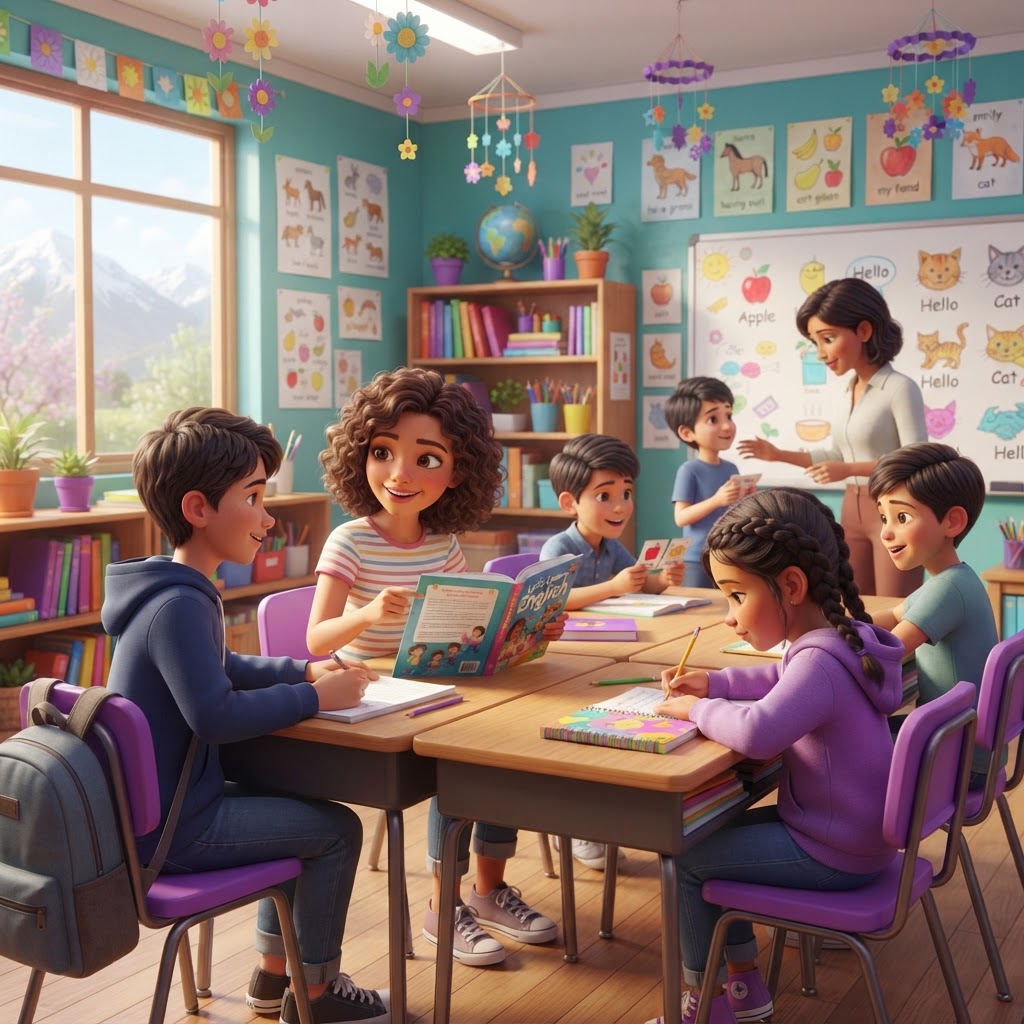
Cartoons Kids Are Watching in Chile
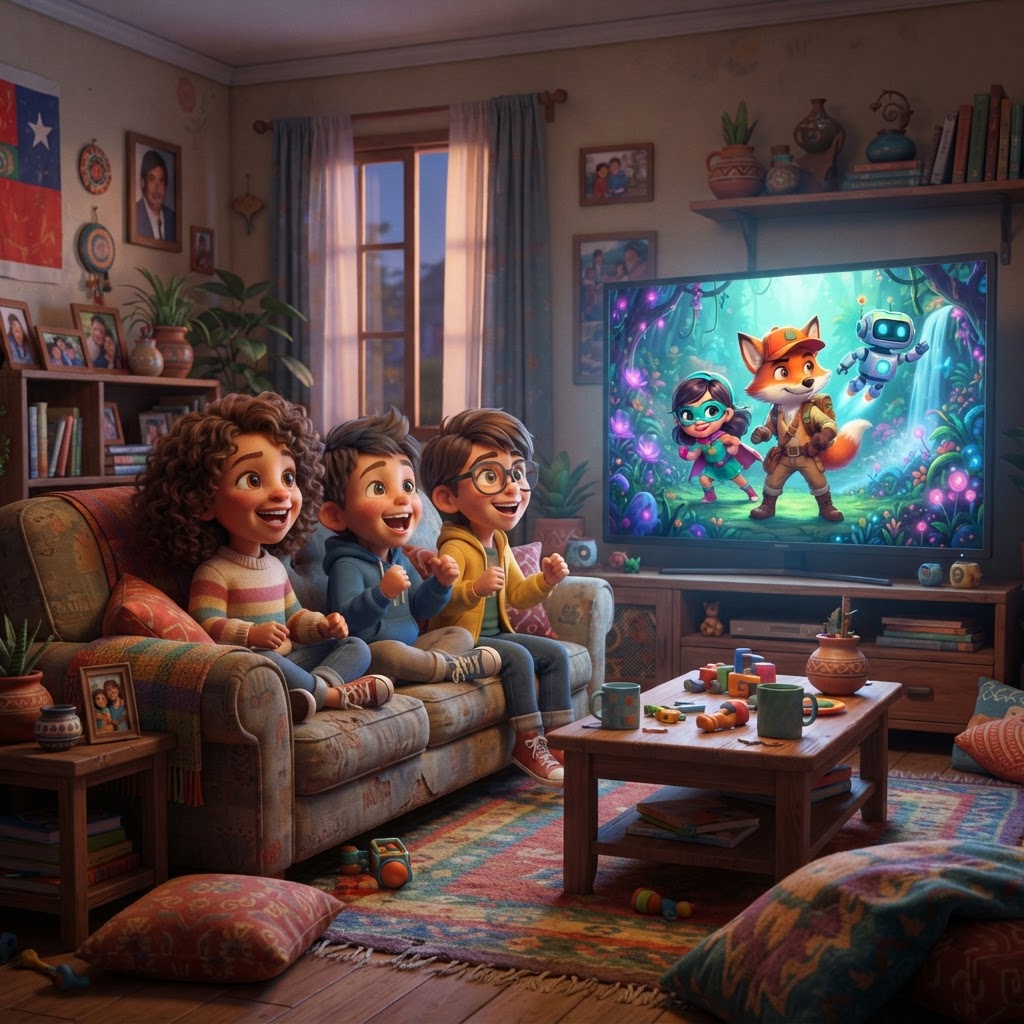
Many children in Chile enjoy animated adventures on TV and streaming services. Bluey tells warm and funny stories about family life. Pokémon has exciting creatures, battles, and friendships. Miraculous: Tales of Ladybug & Cat Noir follows young heroes in Paris. Children also enjoy Teen Titans Go! and the Chilean series Puerto Papel.
Try this: “My favorite character is funny and brave.”
Toys & Collectibles
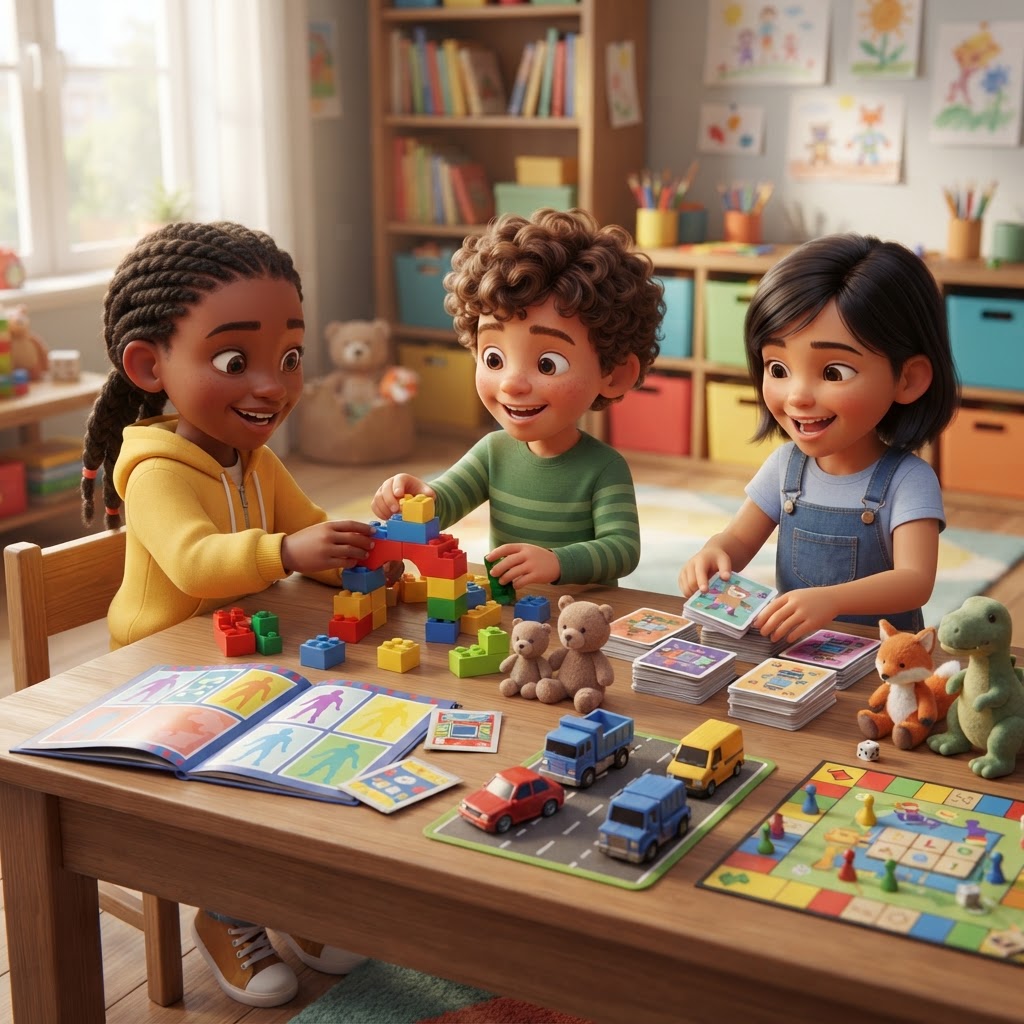
Building bricks, dolls, toy cars, plush animals, and board games are great choices for playtime. Trading cards and small collectible figures are also fun to find and exchange. Some children like Pokémon cards, while others collect football stickers or create worlds with LEGO-style bricks.
Remember: trade fairly, ask an adult before buying, and keep small pieces away from younger children.
Try this: “I have three cards, but I do not have this one.”
Sweet Treats & Candies
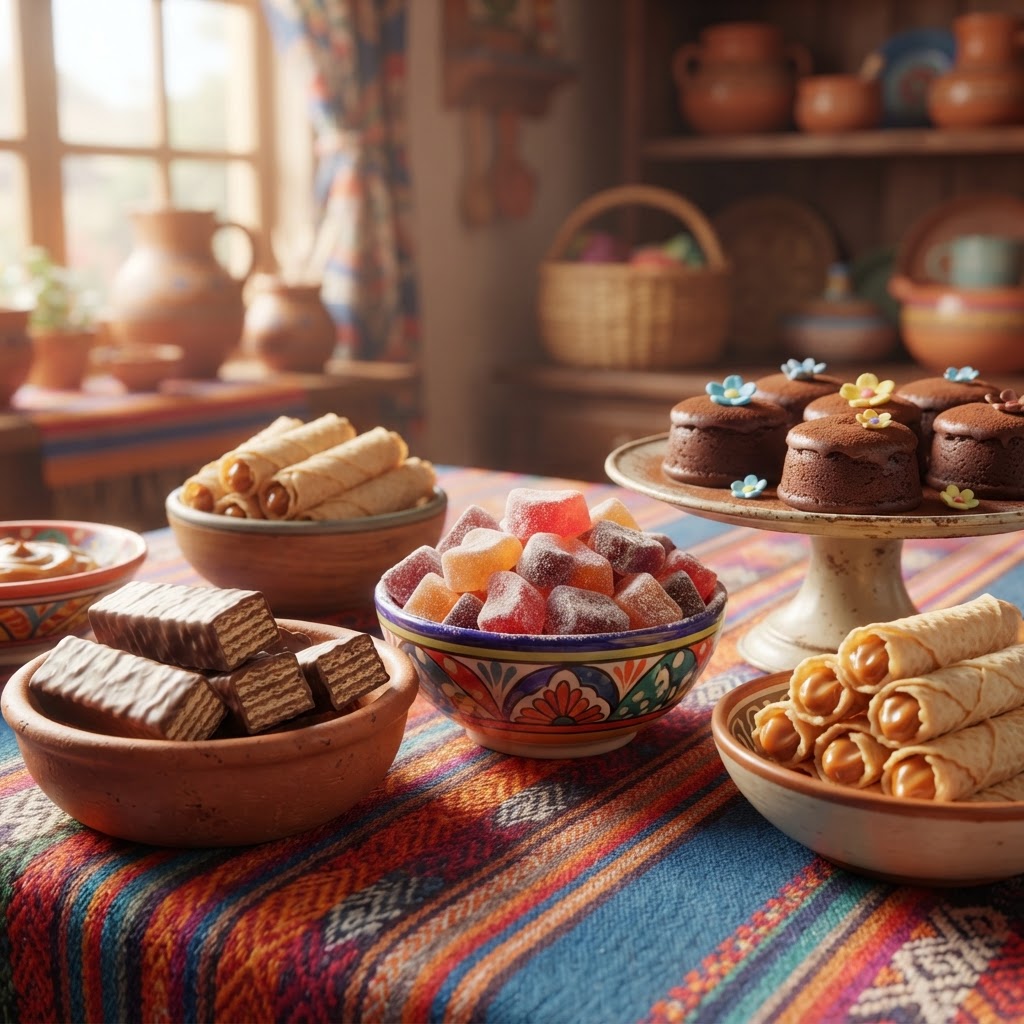
Chile has many famous treats. A Super 8 is a crispy wafer covered with chocolate. A Chocman is a soft cake with filling and a chocolate coating. Frugelé candies are small, chewy, and fruity. Children may also know Cuchuflí, a crunchy rolled wafer that can contain manjar.
Sweet treats are delicious, but enjoy a small amount and remember to brush your teeth!
Try this: “The wafer is crunchy, and the filling is sweet.”
Books & Stories
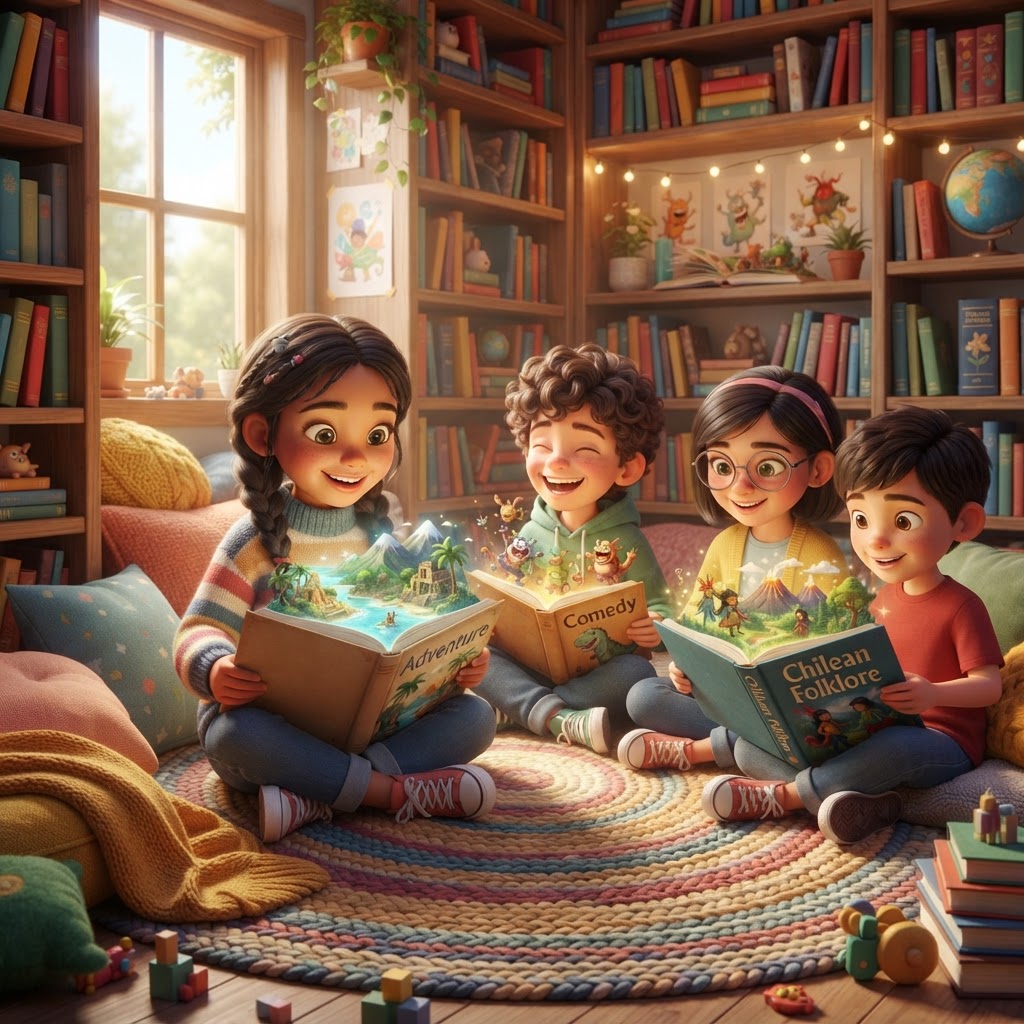
Books can take you anywhere! Younger readers may enjoy Papelucho by Marcela Paz, a classic Chilean character with funny thoughts and adventures. Diary of a Wimpy Kid mixes school comedy with cartoons. Fantasy fans can explore Harry Potter and the Philosopher’s Stone or age-appropriate illustrated myths and legends from Chile.
Try reading one page in English. Circle new words, guess their meaning, and then check a dictionary with an adult.
Try this: “The main character begins a surprising adventure.”
Music & Dance
Children and young teens in Chile enjoy many kinds of music, including upbeat pop, K-pop, movie songs, and Latin rhythms. Family-friendly songs from animated films are excellent for English practice because their words are often clear and memorable. During the September celebrations, you may also hear cueca and see dancers waving white handkerchiefs.
Choose age-appropriate songs and ask an adult to help check the lyrics. Clap to the beat and sing the chorus!
Try this: “This song has a fast beat, so I want to dance.”
Hobbies & After-School Fun
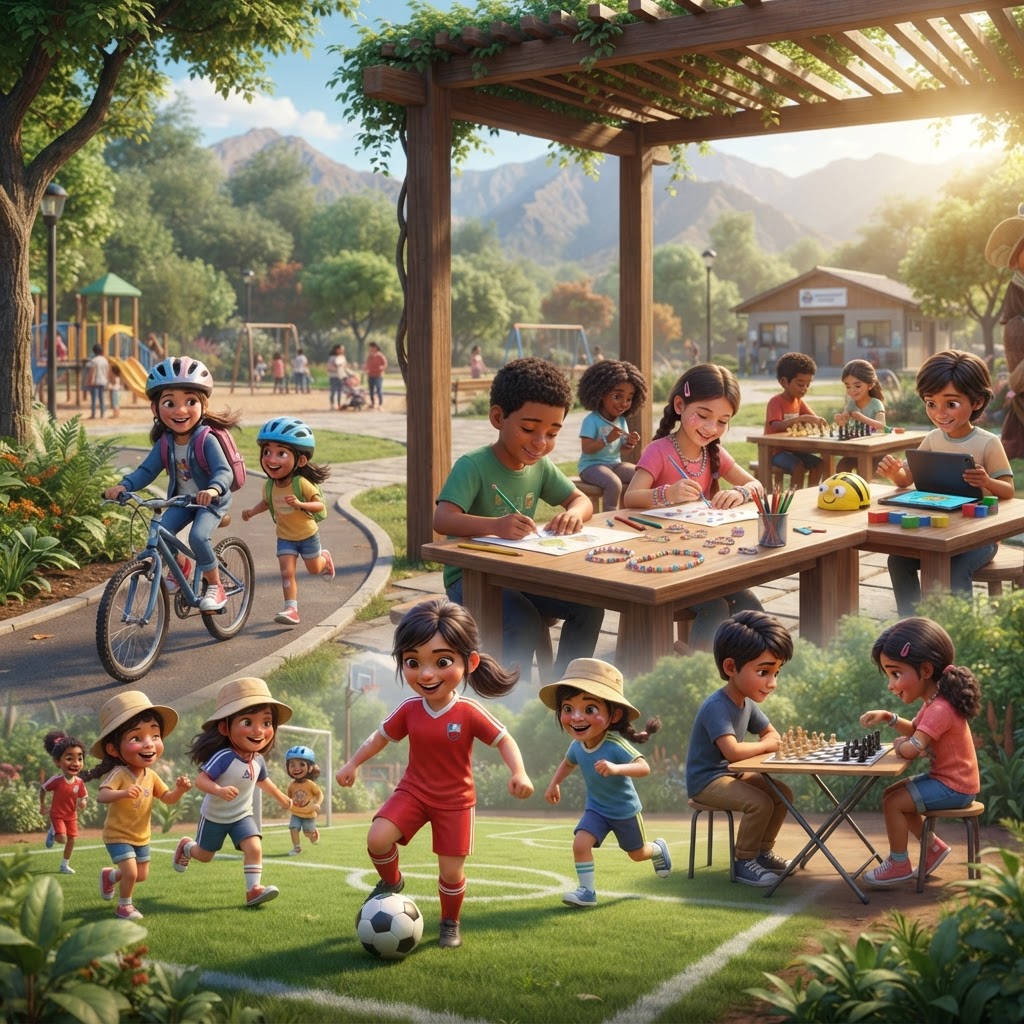
After school, children can play football, basketball, volleyball, or tennis. Skateboarding, cycling, dancing, drawing, crafts, chess, coding, and playing an instrument are fun too. In spring, outdoor activities become especially exciting—but always use sun protection and the right safety equipment.
You can practice English while enjoying a hobby. Name your art supplies, count goals, or explain the rules of a game.
Try this: “I play football on Tuesdays, and I draw on Fridays.”
School Subjects Vocabulary
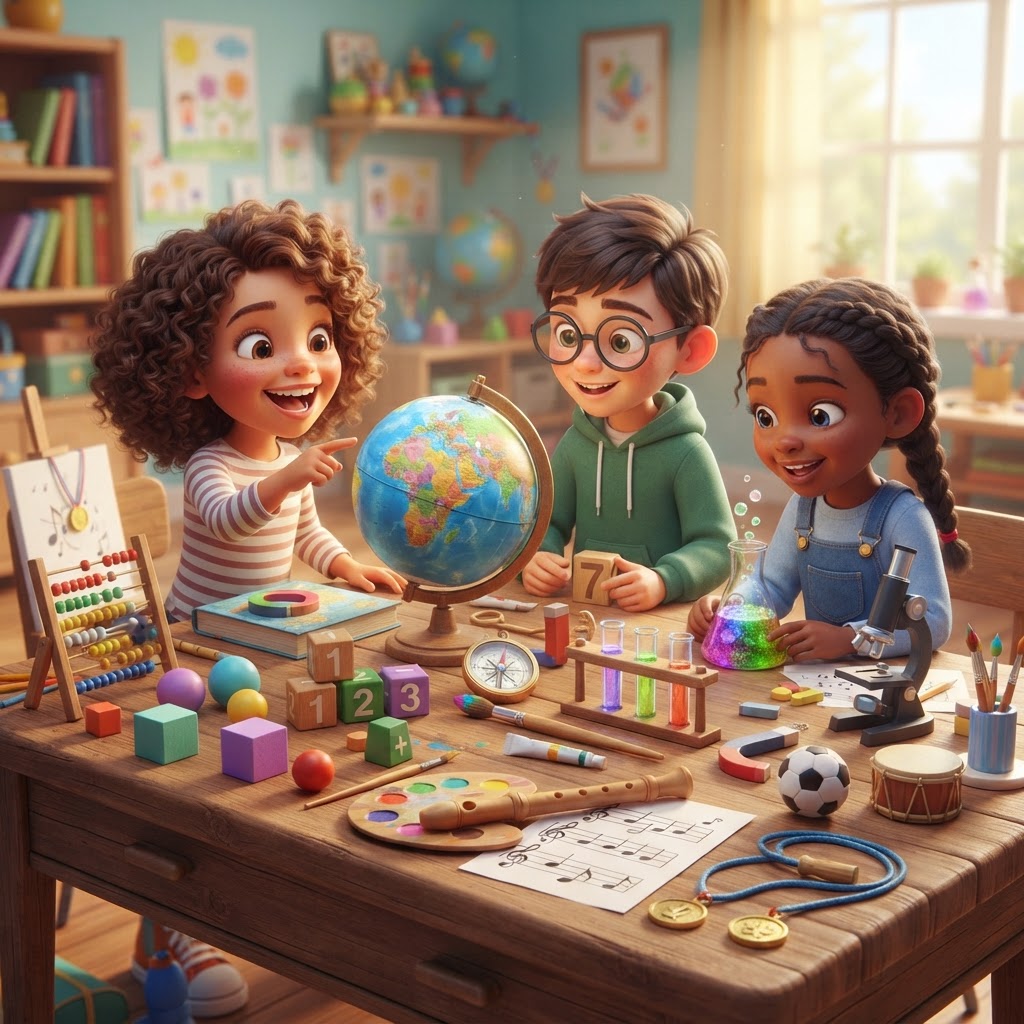
- Maths — Matemáticas: “We solve a puzzle in Maths.”
- Science — Ciencias: “We learn about plants in Science.”
- History — Historia: “I read about Chilean history.”
- Geography — Geografía: “We find Chile on the map.”
- English — Inglés: “I learn five new words in English.”
- Art — Arte: “She paints a bright picture in Art.”
- Music — Música: “They play a rhythm in Music.”
- Physical Education — Educación Física: “We run and stretch in Physical Education.”
Grammar Power-Up
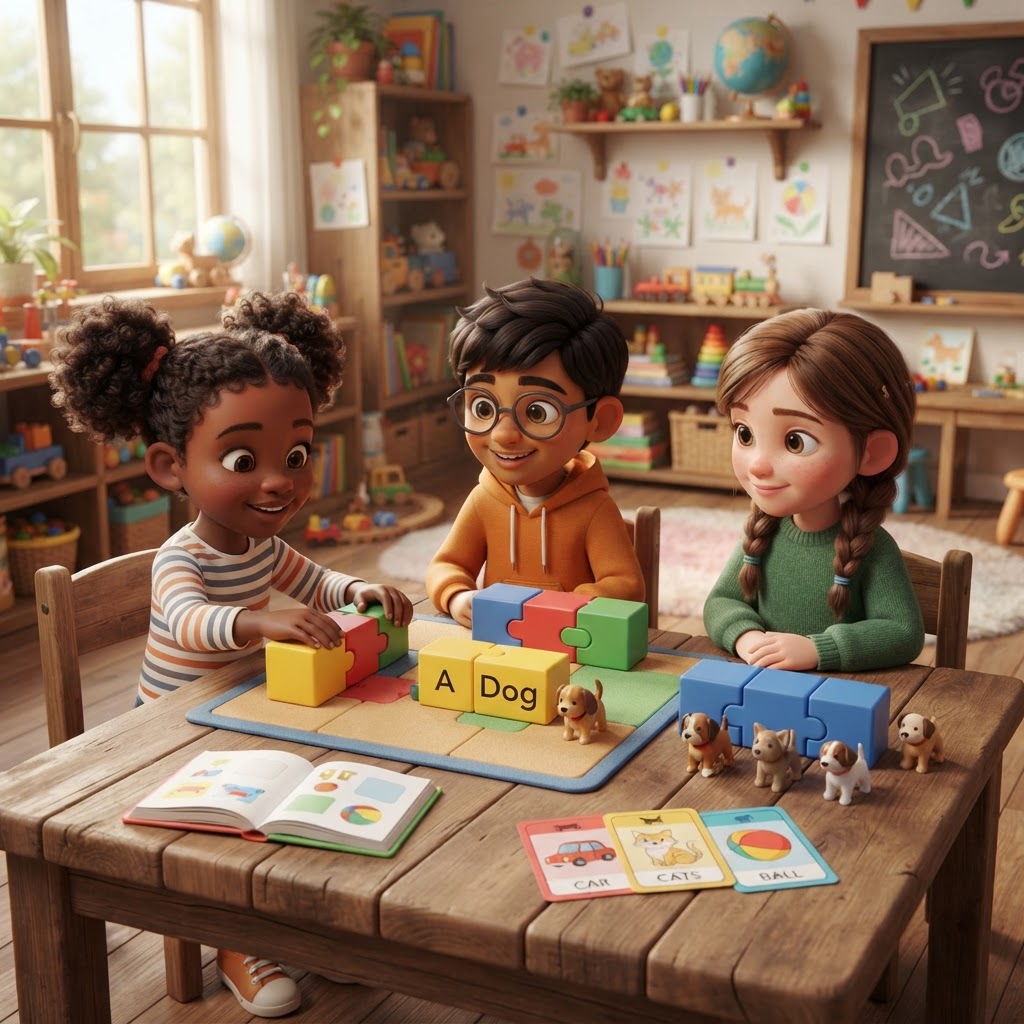
1. Present Simple
Explicación: Usamos el presente simple para hablar de rutinas, gustos y hechos. Con he, she o it, normalmente agregamos -s al verbo.
English: “I read after school. She reads before dinner.”
Español: “Yo leo después de la escuela. Ella lee antes de la cena.”
2. There is / There are
Explicación: Usamos there is para indicar que hay una sola cosa y there are para decir que hay dos o más.
English: “There is a book on the desk. There are three cards in the box.”
Español: “Hay un libro sobre el escritorio. Hay tres cartas en la caja.”
Quick Quiz
Which Chilean treat is a crunchy rolled wafer?
- A. Cuchuflí
- B. Frugelé
- C. An apple
What can cueca dancers wave?
- A. Football cards
- B. White handkerchiefs
- C. School maps
Which sentence uses there are correctly?
- A. There are three cards in the box.
- B. There are one book on the desk.
- C. There is five pencils in my bag.
Answers: 1-A, 2-B, 3-A. Great job, English Explorer!