
Saturday Fun in English!
Hello, English explorers! Today is Saturday, September 19, 2026. Let’s discover fun cartoons, toys, treats, books, music, and hobbies in Chile. Read aloud, learn new words, and enjoy the quiz!
Cartoons Kids Are Watching in Chile
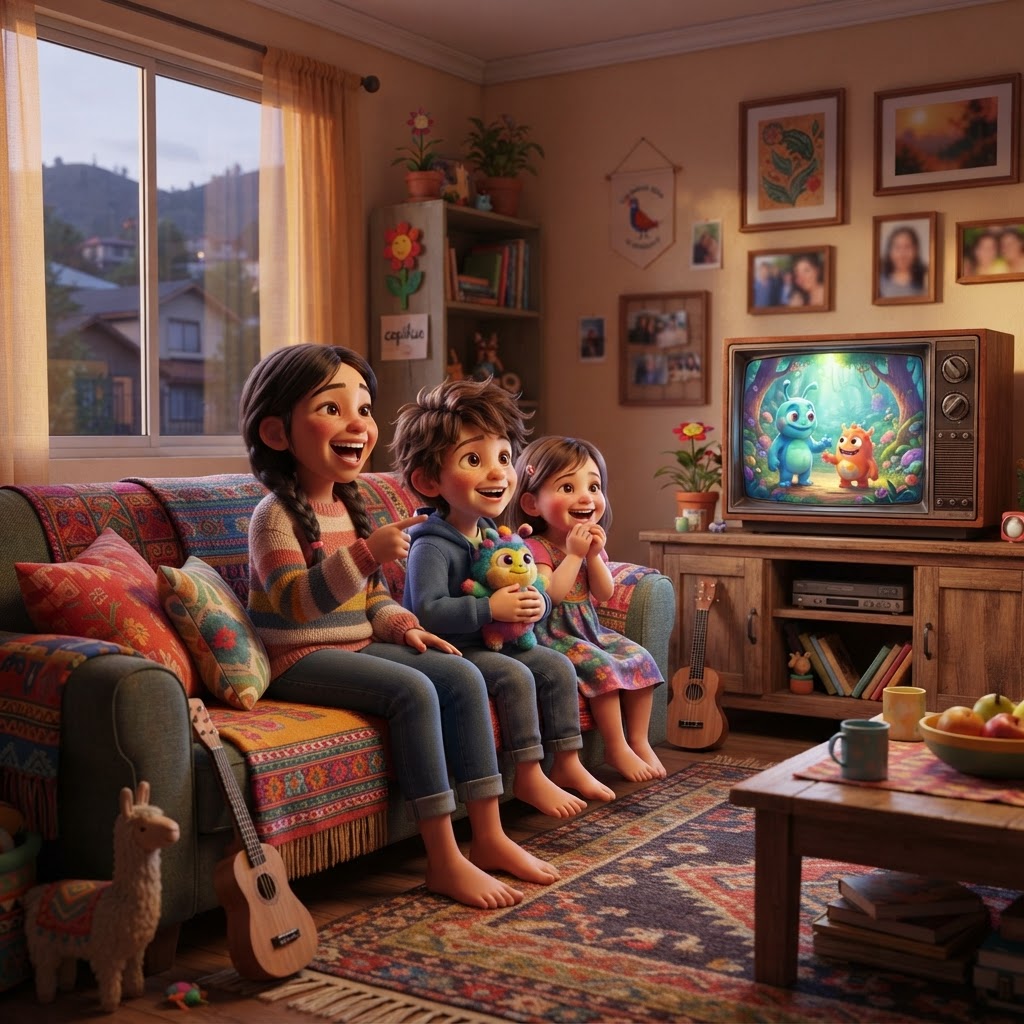
Many children enjoy funny and exciting animated shows on TV and streaming services. Bluey tells warm stories about family and imagination. Miraculous: Tales of Ladybug & Cat Noir has teamwork and superhero adventures. Pokémon stories are also favorites because they have amazing creatures, friendship, and big challenges.
Try this sentence: “My favorite cartoon is funny and colorful.”
Toys & Collectibles
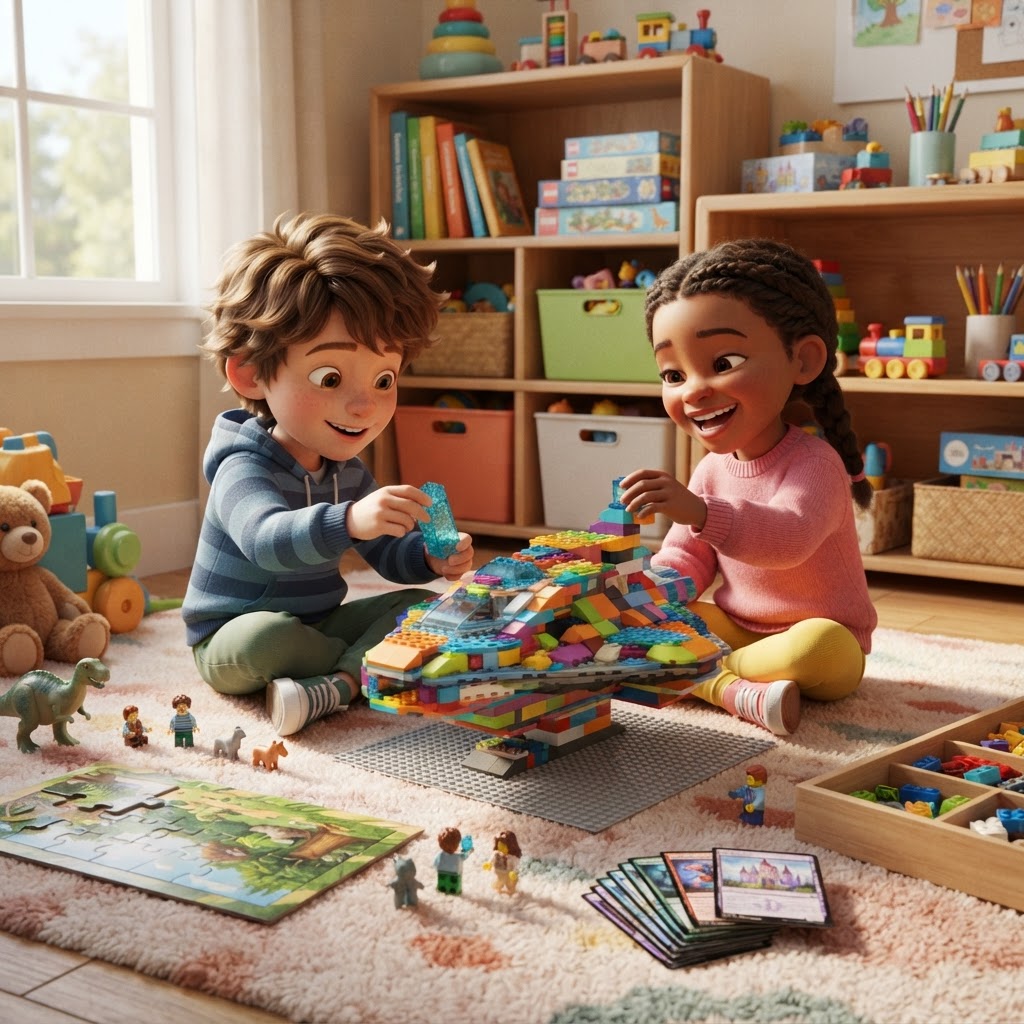
Building bricks are great for creating houses, robots, and spaceships. Trading cards are fun to collect, organize, and exchange fairly with friends. Children also enjoy plush animals, mini figures, puzzles, and board games. Remember: the best game is one where everyone feels welcome!
Try this sentence: “I keep my cards in a small box.”
Sweet Treats & Candies
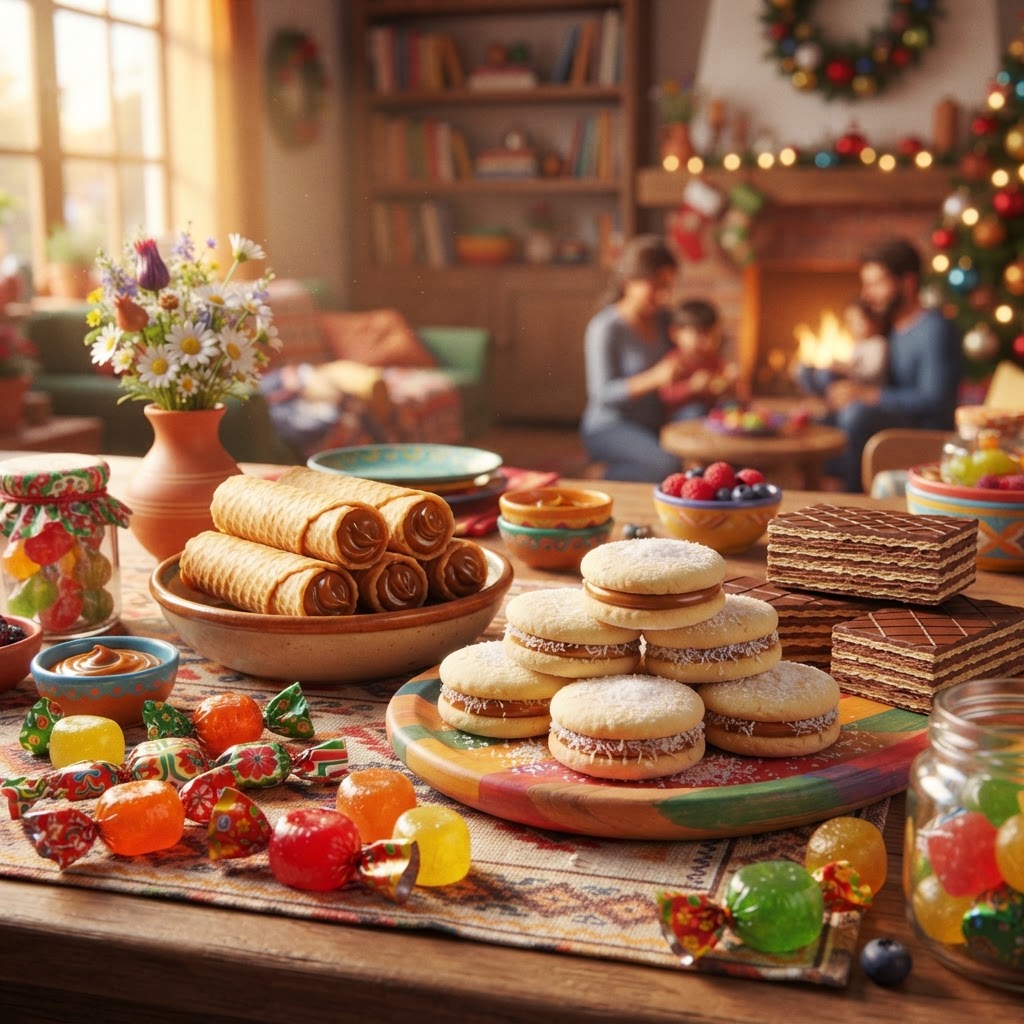
Chile has many tasty snacks. A cuchuflí is a crispy rolled wafer, often filled with manjar. An alfajor usually has two soft cookies with a sweet filling. Chilenitos, Super 8-style wafer treats, and fruit-flavored candies are also popular. Sweet treats are best enjoyed in small amounts, followed by water and good toothbrushing!
Try this sentence: “The wafer is crispy and sweet.”
Books & Stories
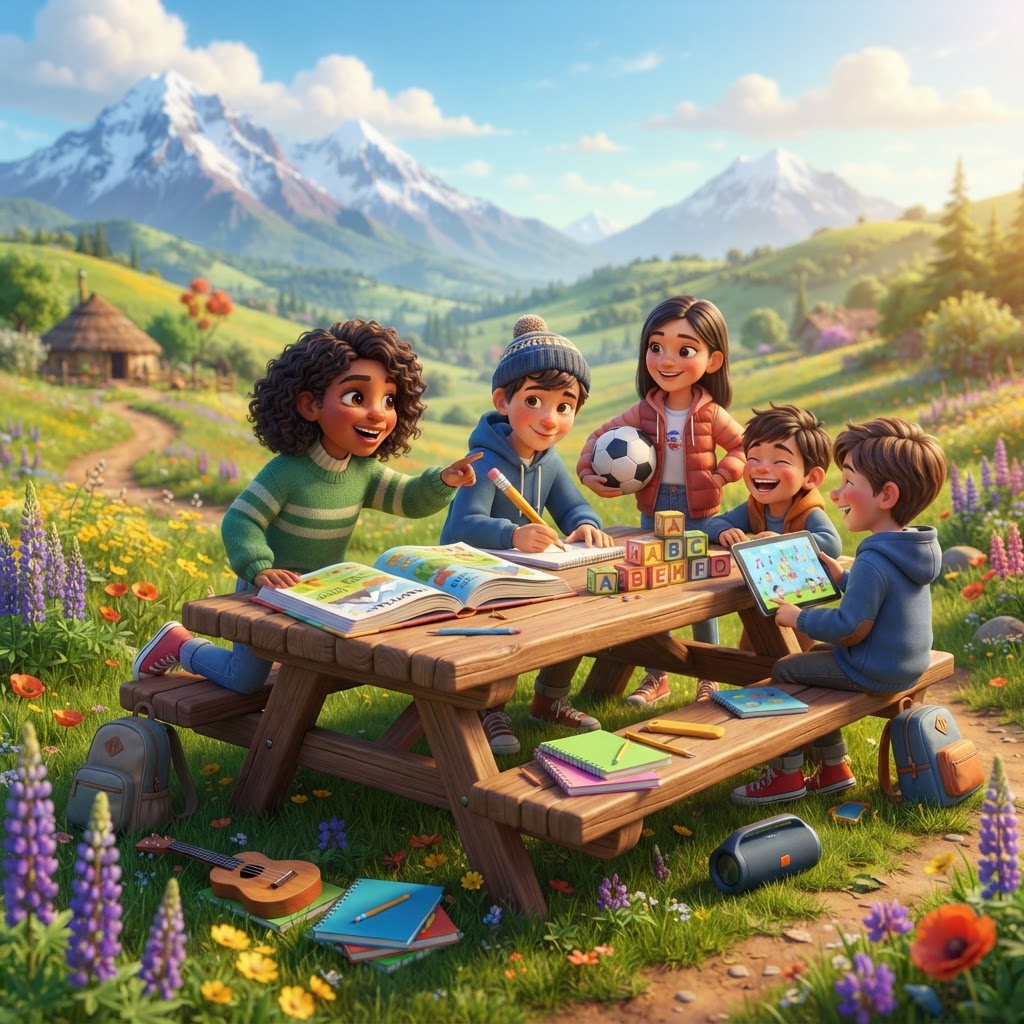
Books can take you anywhere! Younger readers may enjoy Papelucho, a classic Chilean character with a lively imagination. Comic fans can laugh with Condorito in age-appropriate selections. Adventure readers may like Harry Potter, Percy Jackson, or illustrated stories about myths and nature. Choose a book that feels exciting and comfortable for you.
Try this sentence: “The hero finds a secret map.”

Music & Dance
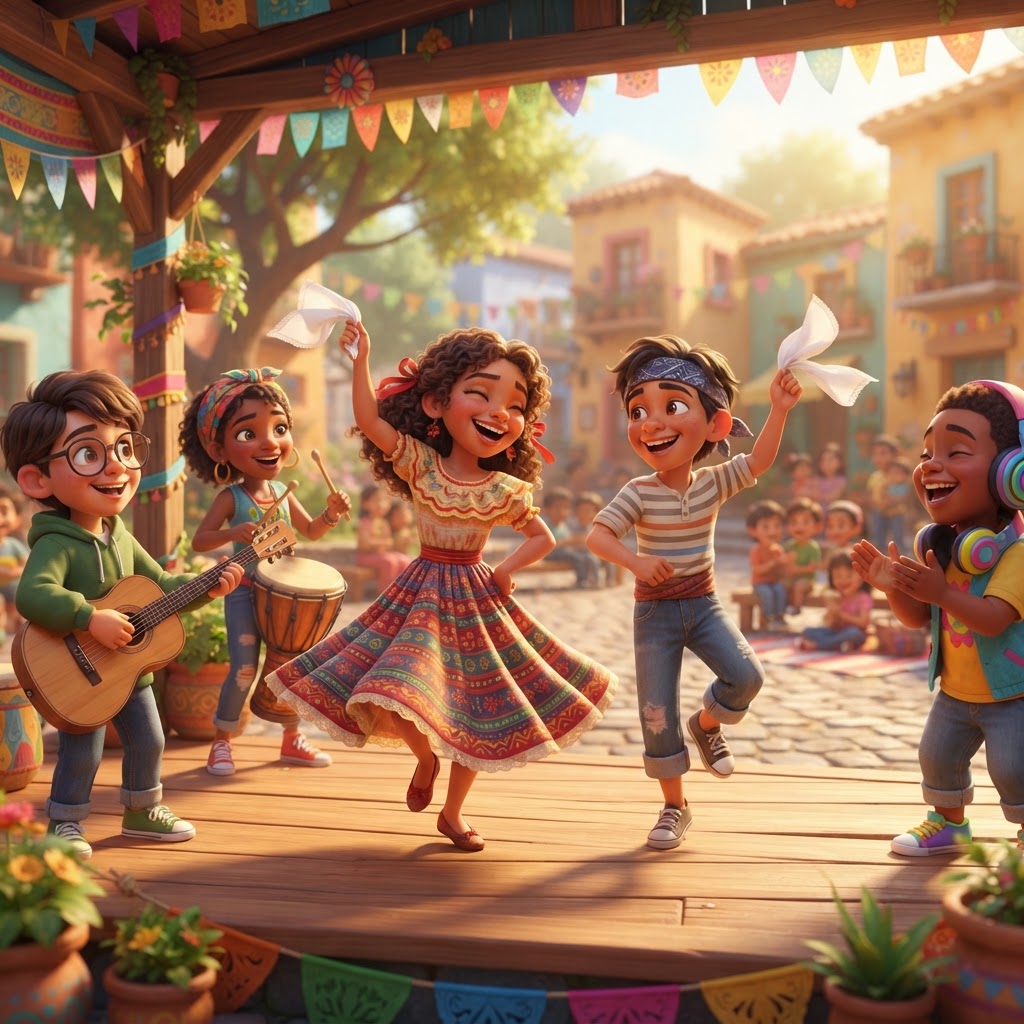
Children in Chile hear many kinds of music, including pop, Latin pop, K-pop, movie songs, and Chilean folk music. You can clap to the beat, invent a safe dance, or learn a simple cueca step with an adult or teacher. Pick songs with positive, age-appropriate words.
Try this sentence: “We dance to a cheerful song.”
Hobbies & After-School Fun
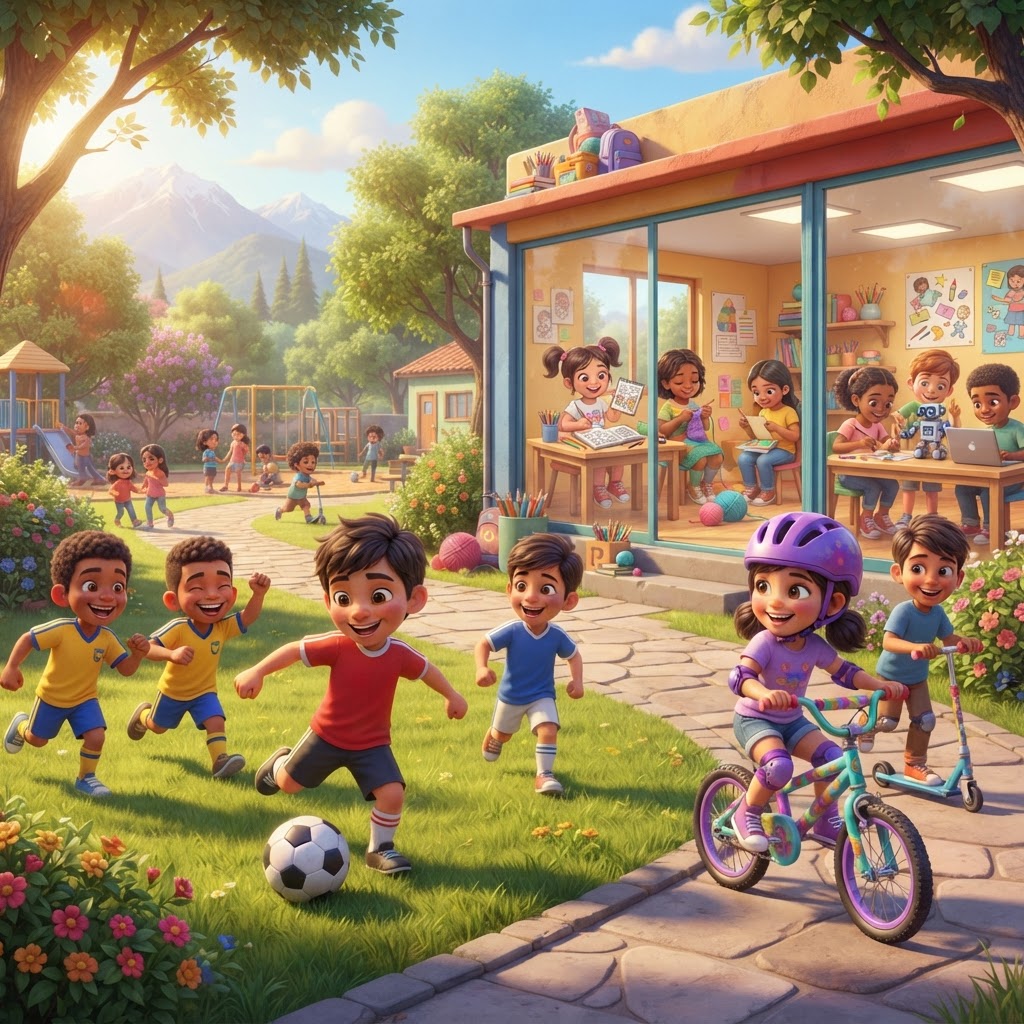
Football is very popular, but there are many other ways to have fun. Children can ride bicycles, play basketball, swim, skate, draw, crochet, make paper crafts, code simple games, or explore nature. On rainy days, try a puzzle or create a comic strip. Always wear the right safety gear for sports.
Try this sentence: “After school, I draw comic characters.”
School Subjects Vocabulary
- Math — Matemáticas: “We solve a math problem.”
- Science — Ciencias: “We study plants in science.”
- History — Historia: “History teaches us about the past.”
- Geography — Geografía: “We find Chile on the map.”
- Art — Arte: “I paint a bright picture in art.”
- Physical Education — Educación Física: “We run and stretch in Physical Education.”
- Language — Lenguaje: “We read a short story in language class.”
Grammar Power-Up
1. Present Simple
Explicación: Usamos el presente simple para hablar de rutinas, gustos y hechos. Con he, she o it, normalmente agregamos -s al verbo.
English: “I read after school. She reads after school.”
Español: “Yo leo después de clases. Ella lee después de clases.”
2. Can and can’t
Explicación: Usamos can para decir que alguien puede o sabe hacer algo, y can’t para decir que no puede. El verbo que sigue no cambia.
English: “We can dance, but we can’t fly.”
Español: “Podemos bailar, pero no podemos volar.”
Quick Quiz
What is often inside a cuchuflí?
A. Manjar
B. Lettuce
C. RiceWhich hobby can you do on a rainy day?
A. Make a comic strip
B. Fly without equipment
C. Swim in the streetWhich sentence uses the present simple correctly?
A. She read after school.
B. She reads after school.
C. She reading after school.
Answers: 1-A, 2-A, 3-B. Great work, English explorer!