
English Fun in Chile: Spring Day Adventures!
Hello, English explorers! Today is Tuesday, September 22, 2026. Spring is arriving in Chile, so let’s learn with colorful shows, fun games, tasty treats, and school adventures. Read, smile, and say the English words aloud!
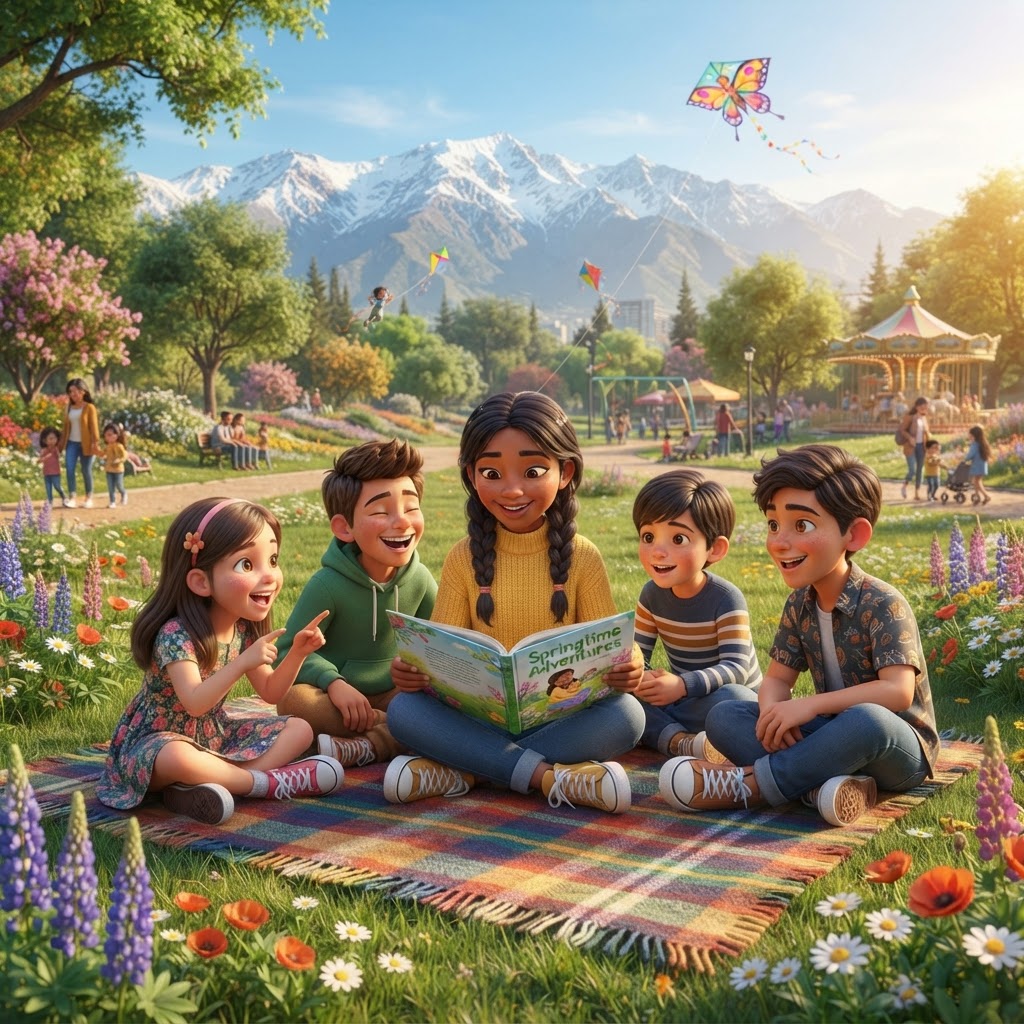
Cartoons Kids Are Watching in Chile
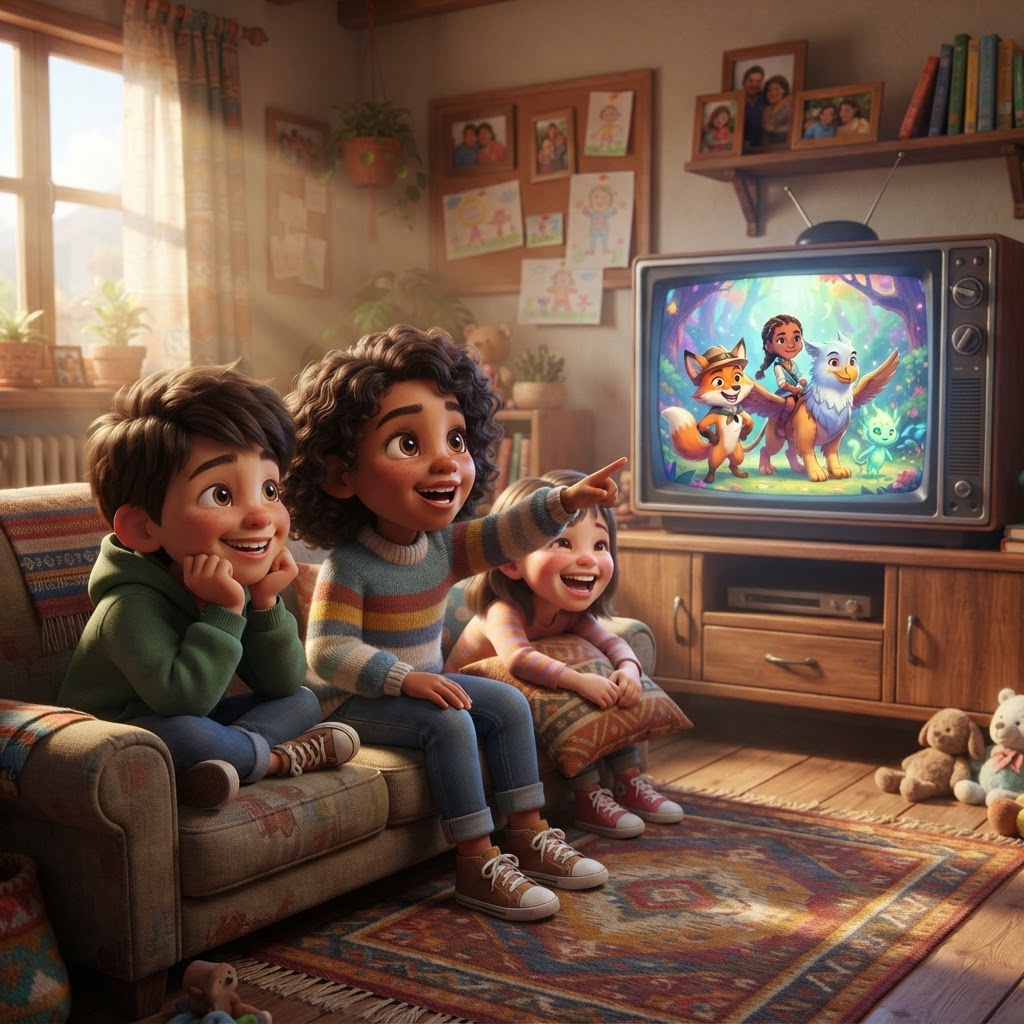
Many children in Chile enjoy funny and adventurous animated shows. Bluey tells warm stories about games and family life. Pokémon has exciting creatures, friendship, and adventures. Miraculous: Tales of Ladybug & Cat Noir follows young heroes who protect their city. You can learn English by watching a familiar episode with English audio and Spanish subtitles.
Toys & Collectibles
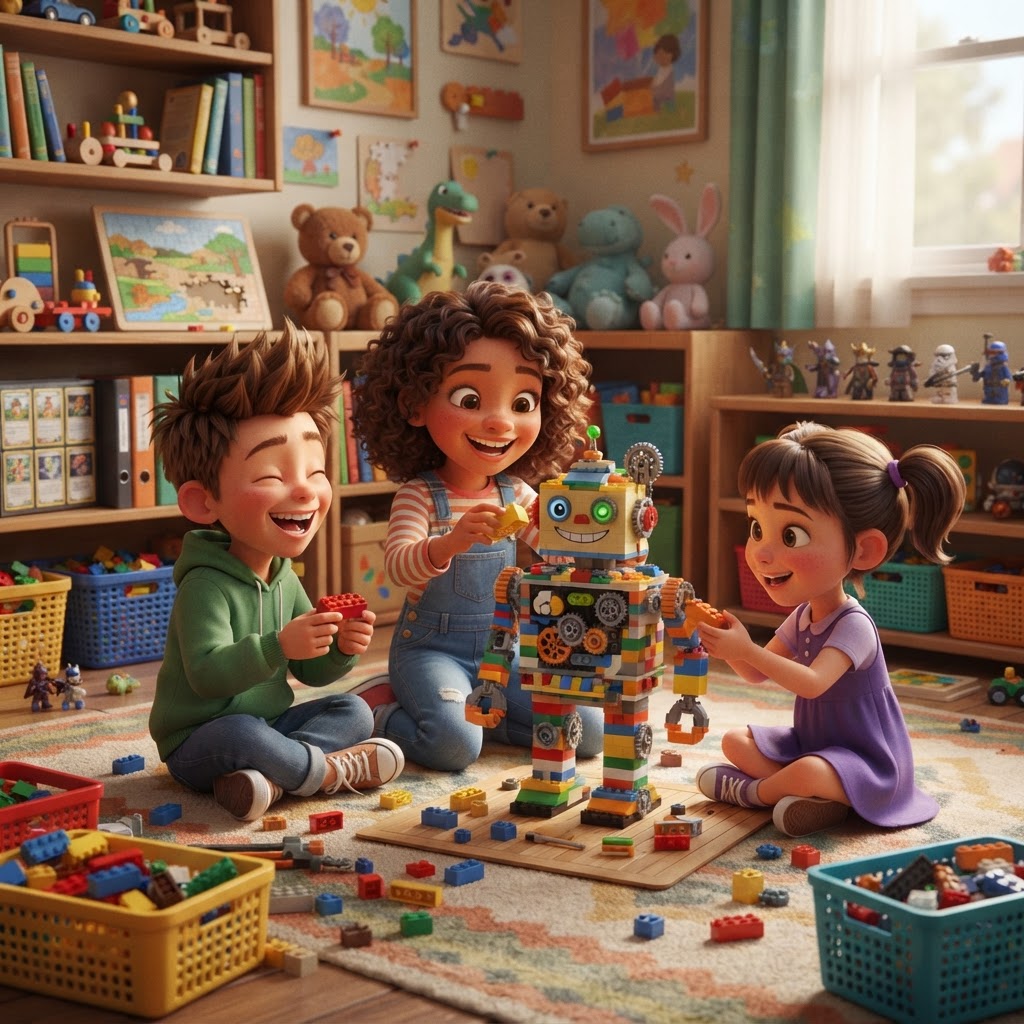
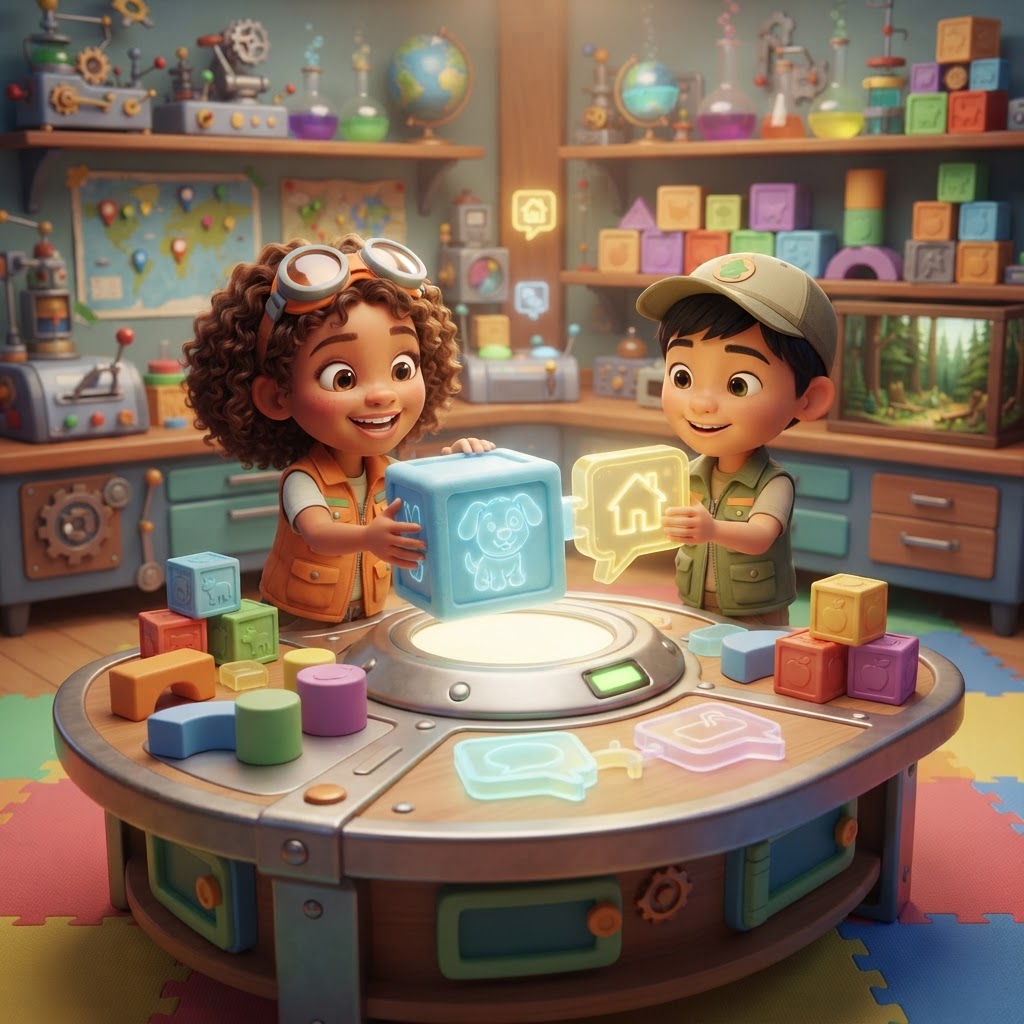
Building bricks are great for creating houses, robots, and spaceships. Trading cards are fun to collect, sort, and exchange fairly with friends. Children also enjoy plush animals, mini figures, puzzles, board games, and creative kits. Try this sentence while you play: “My robot has two blue arms.”
Sweet Treats & Candies
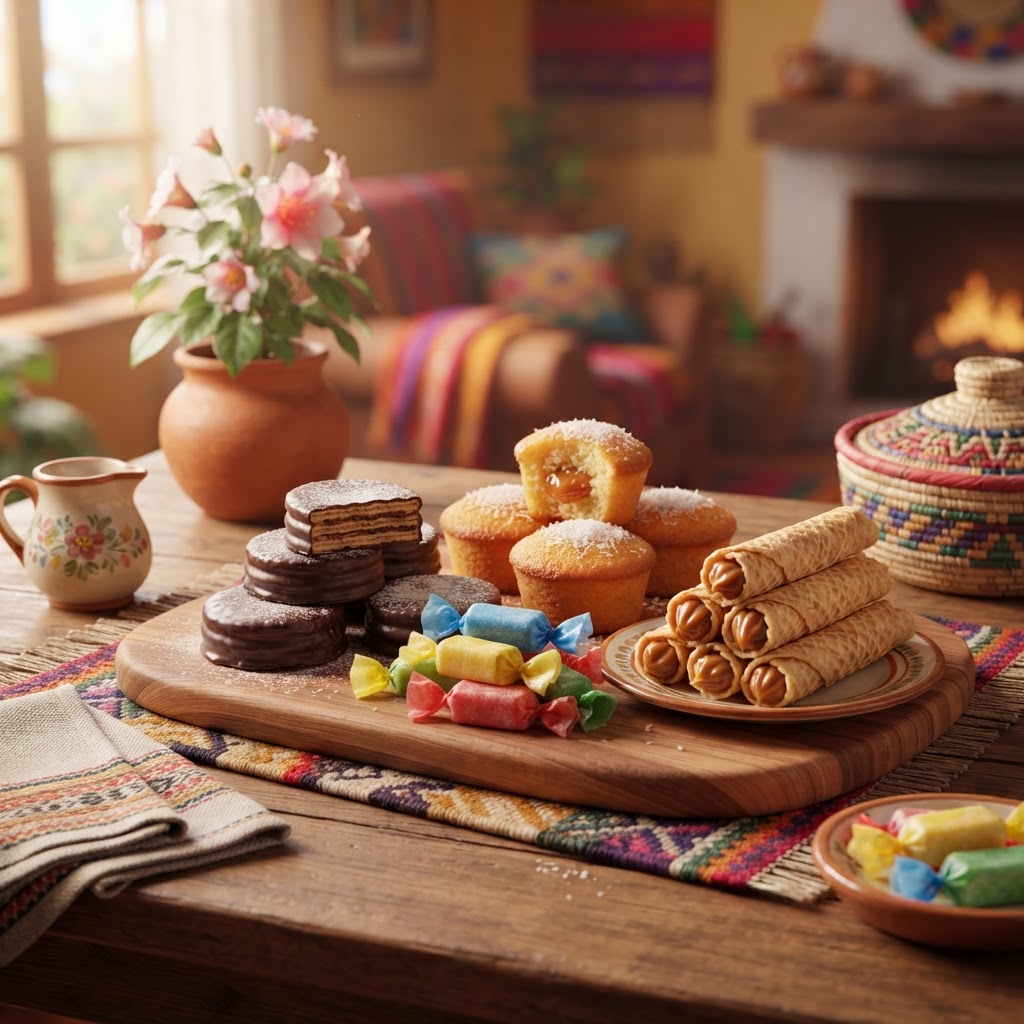
Chile has many famous snacks. A Super 8 is a crunchy wafer covered with chocolate, and a Chocman is a soft cake with a sweet filling and chocolate coating. Frugelé candies are small, fruity, and chewy. Cuchuflí is a crisp rolled wafer that may contain manjar. Treats are delicious, but enjoy a small amount and remember to brush your teeth!
Books & Stories
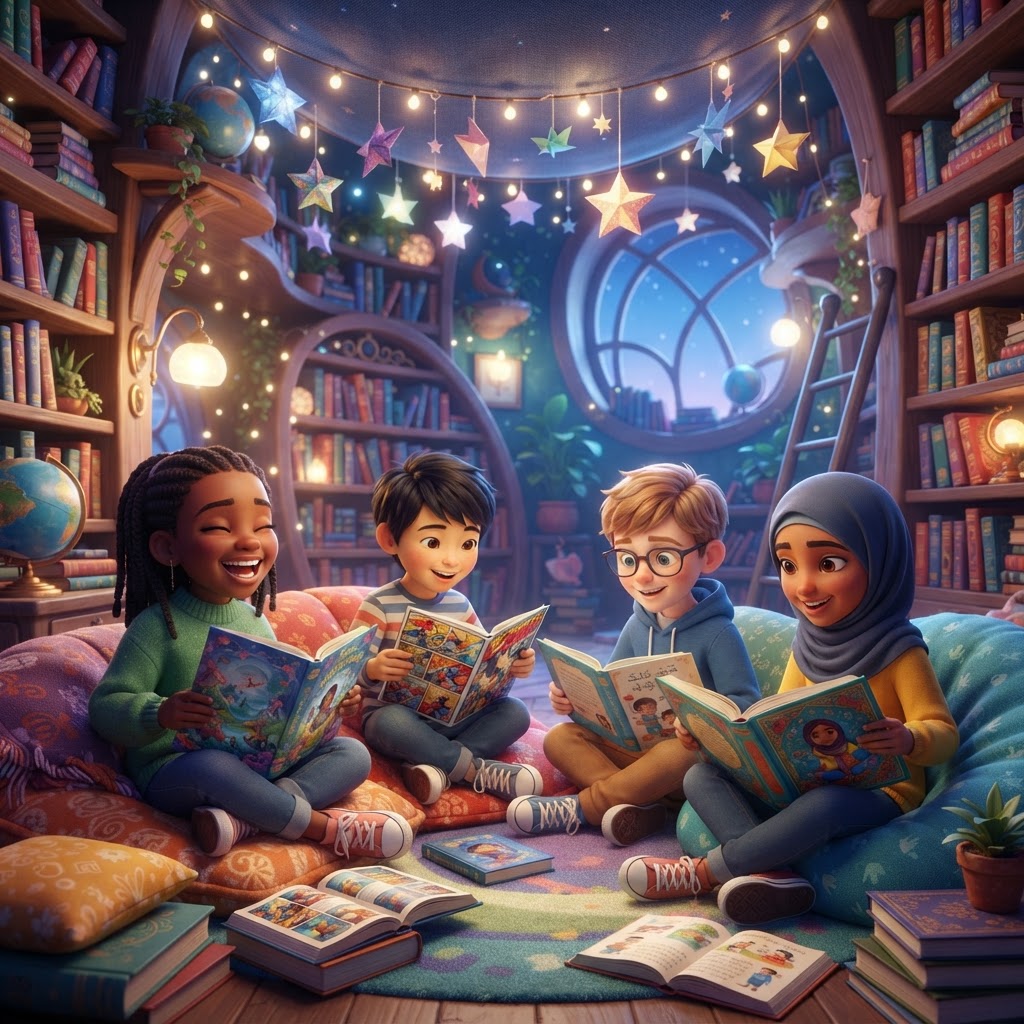
Books can take you anywhere! Chilean readers may enjoy Papelucho, the diary-style adventures of a curious boy. Harry Potter and the Philosopher’s Stone offers magic and friendship for confident readers. Diary of a Wimpy Kid mixes school comedy with drawings. Younger readers can try illustrated stories, comics, or short bilingual books. Read one page in English today and circle three new words.
Music & Dance
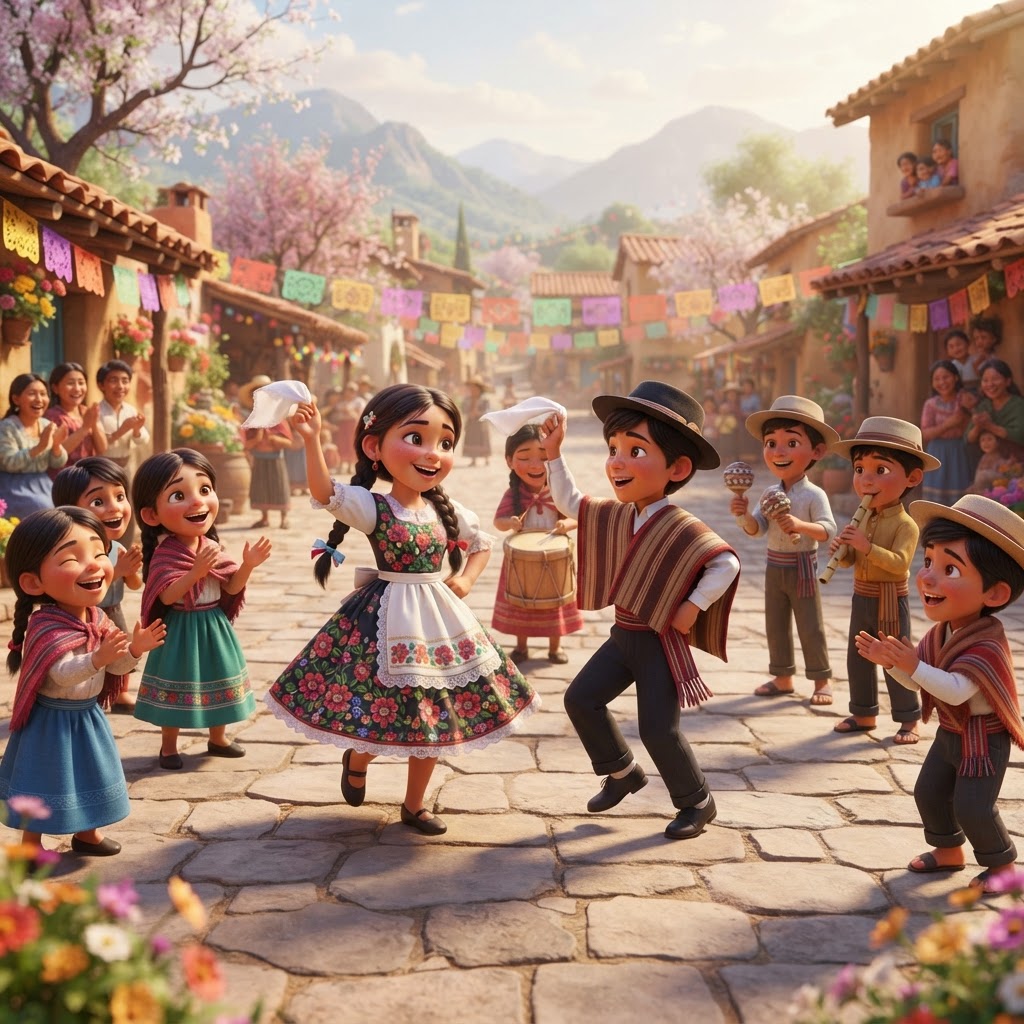
Children can enjoy clean pop songs, animated-film soundtracks, K-pop, and Chilean family music. Groups such as Tikitiklip use playful songs inspired by Chilean culture. For English practice, choose an age-appropriate song with a clear chorus. Listen once, clap to the beat, and then sing one line. You can also dance cueca during Chile’s September celebrations!
Hobbies & After-School Fun
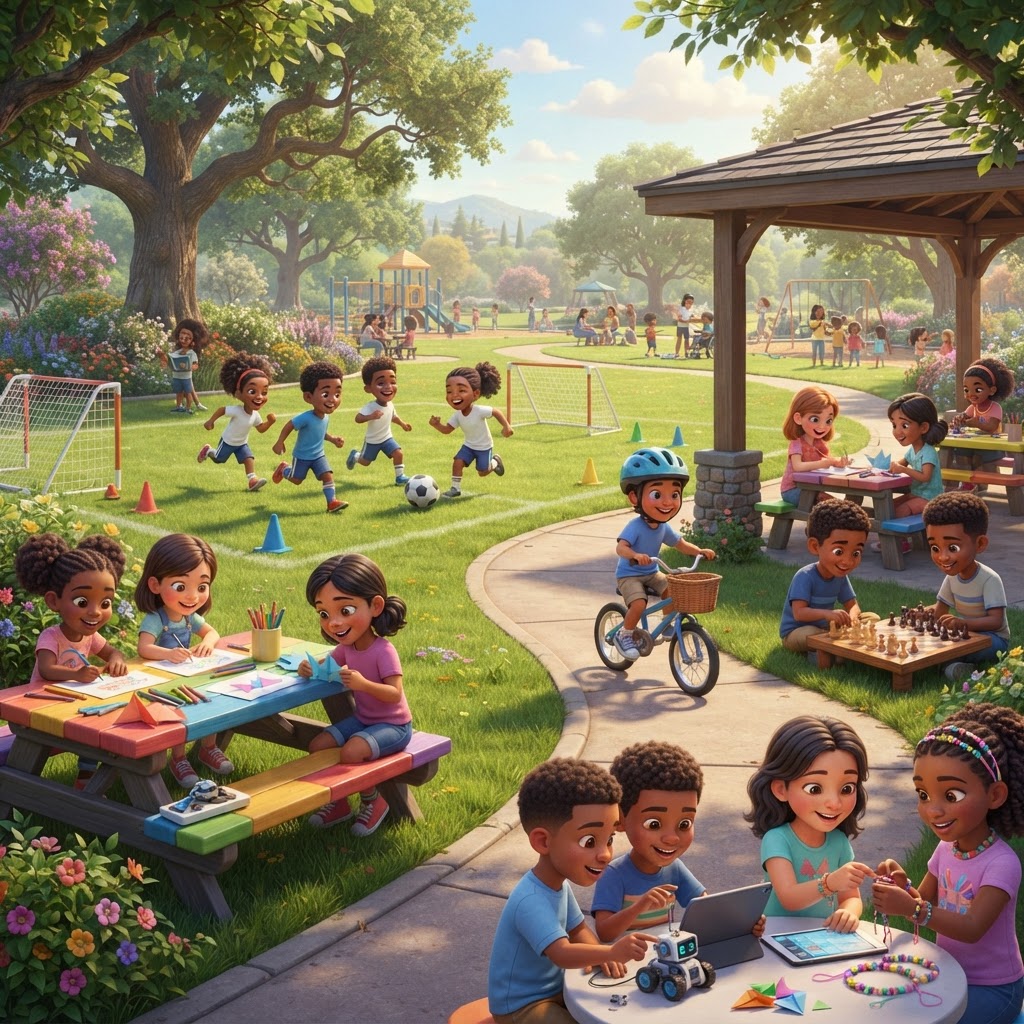
Football is very popular in Chile, and many children also enjoy basketball, volleyball, swimming, skating, cycling, and hiking. Indoor hobbies include drawing, crochet, origami, chess, coding, and making bracelets. Spring is a lovely time to explore outdoors with an adult. You can say, “I ride my bike after school,” or “We make paper flowers.”
School Subjects Vocabulary
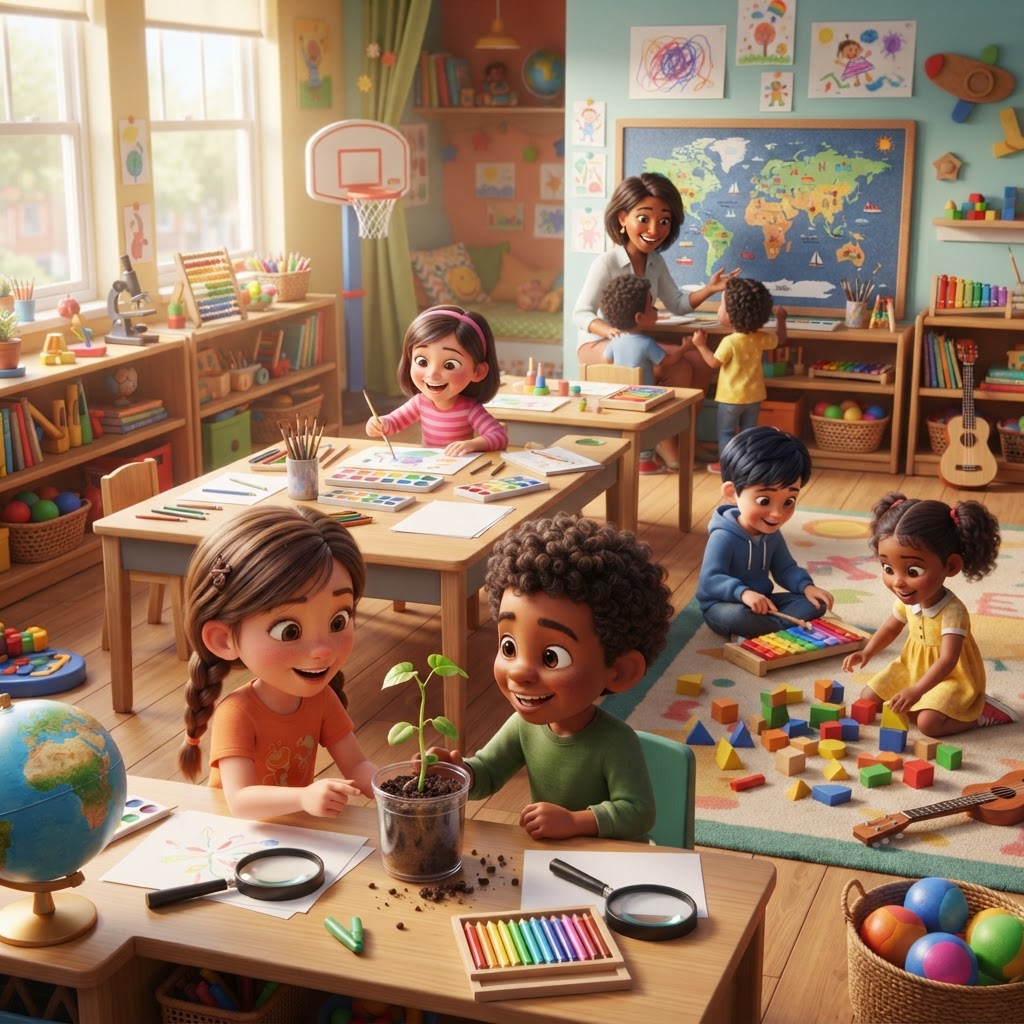
Use these words when you talk about your school day:
- Maths — Matemática: “We solve a puzzle in Maths.”
- Science — Ciencias: “I learn about plants in Science.”
- History — Historia: “We read about the past in History.”
- Geography — Geografía: “I find Chile on the map in Geography.”
- Art — Artes: “She paints a bright flower in Art.”
- Physical Education — Educación Física: “They play volleyball in Physical Education.”
- English — Inglés: “We practise new words in English.”
- Music — Música: “He plays a rhythm in Music.”
Grammar Power-Up
Present simple
Explicación: Usamos el presente simple para hablar de rutinas, gustos y hechos habituales. Con he, she o it, normalmente agregamos -s al verbo.
English: “I read after school.” / “She reads after school.”
Español: “Yo leo después de clases.” / “Ella lee después de clases.”
Can and can’t
Explicación: Usamos can para expresar una habilidad y can’t para indicar que no podemos hacer algo. El verbo siguiente mantiene su forma básica.
English: “I can dance, but I can’t fly.”
Español: “Puedo bailar, pero no puedo volar.”
Quick Quiz
Which cartoon follows a family that loves imaginative games?
A) Bluey B) Papelucho C) Tikitiklip
What can a cuchuflí contain?
A) Cheese B) Manjar C) Lettuce
Which sentence describes a routine?
A) I read after school. B) A map is purple. C) Can a robot fly?
Check your answers
1: A — Bluey. 2: B — Manjar. 3: A — “I read after school” describes a routine.
Fantastic work! Keep practising a little every day.