
Hello, English Explorers!
Today is September 25. Let’s learn English with stories, games, snacks, and school! Read a little, say a new word, and have fun.
Cartoons Kids Are Watching in Chile
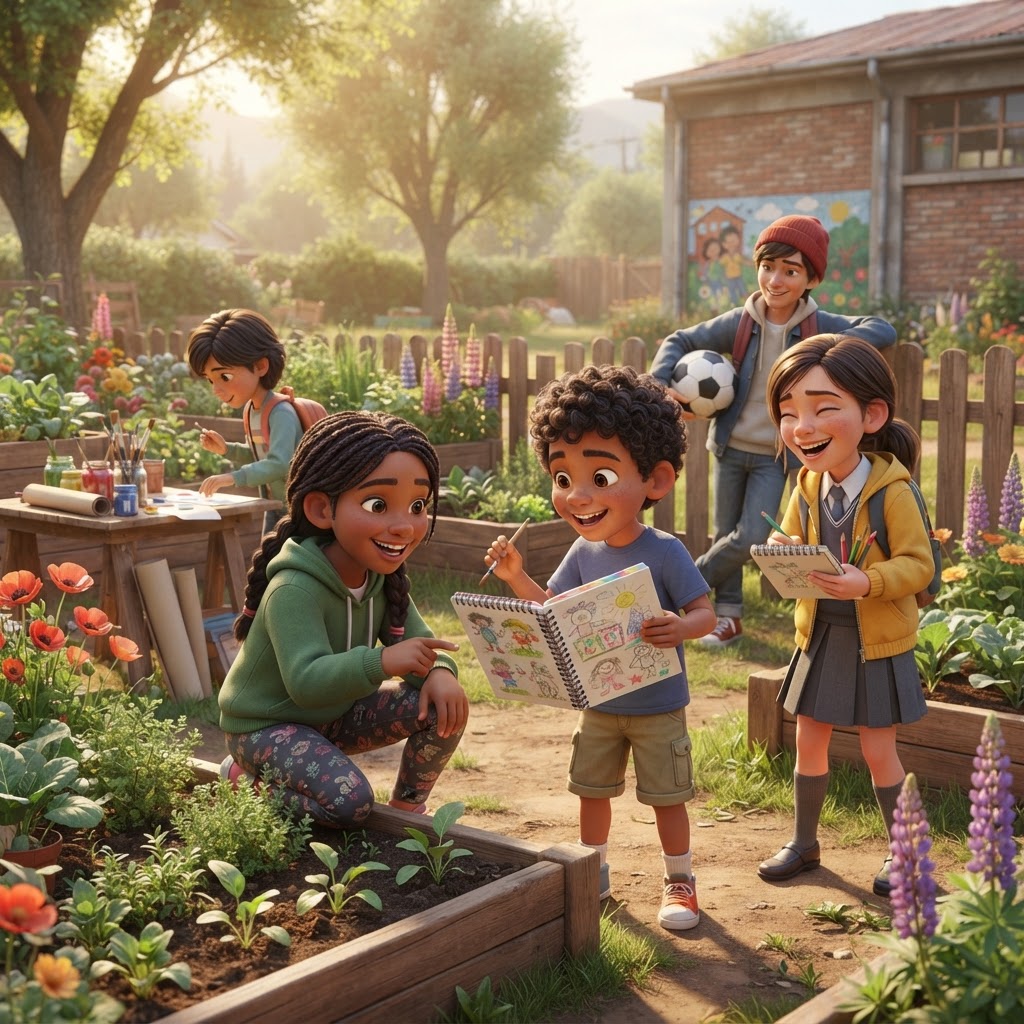
Many kids in Chile enjoy cartoons like Bluey, Pokémon, and Miraculous: Tales of Ladybug & Cat Noir. Which character makes you smile? Try saying, “My favorite cartoon is funny!”

Toys & Collectibles
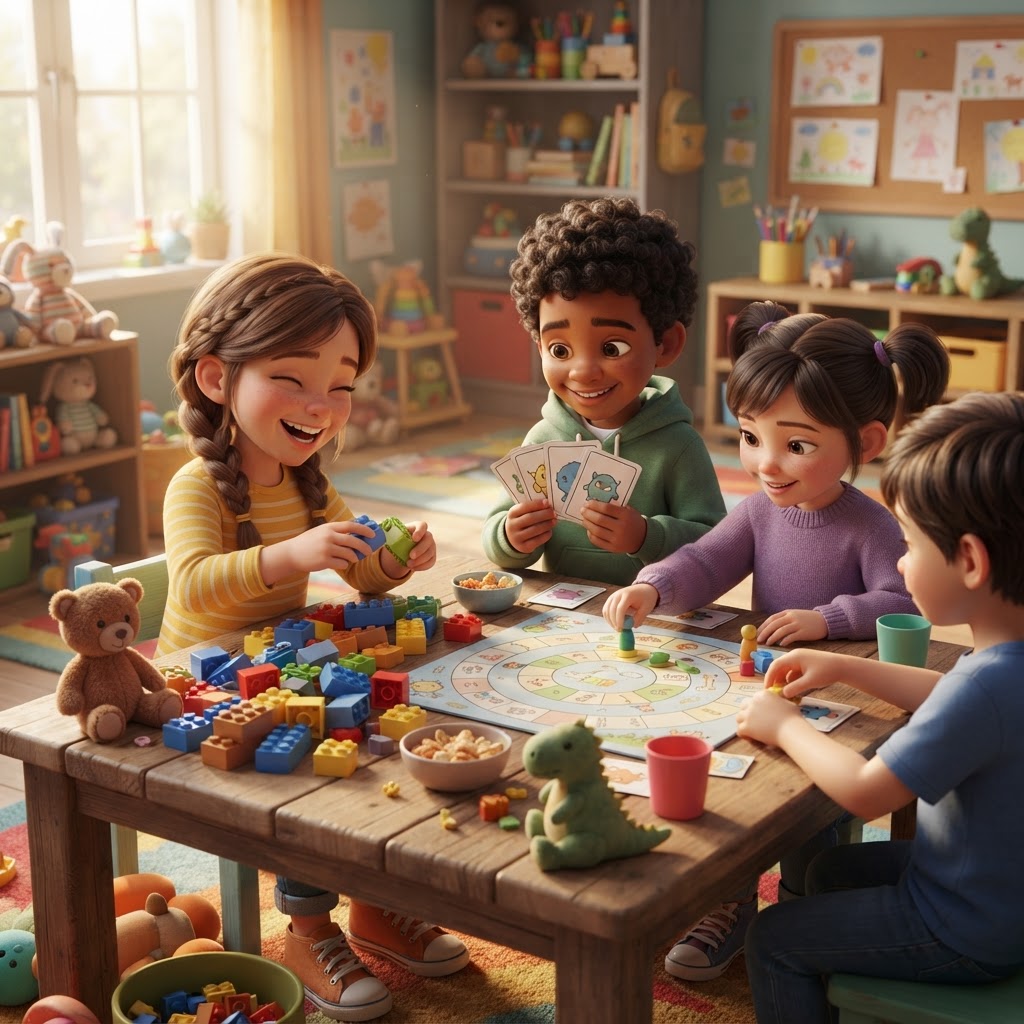
Building bricks, Pokémon cards, plush toys, and board games can make a rainy day exciting. You can swap cards with a friend if you both agree. Say, “I built a colorful house!”
Sweet Treats & Candies
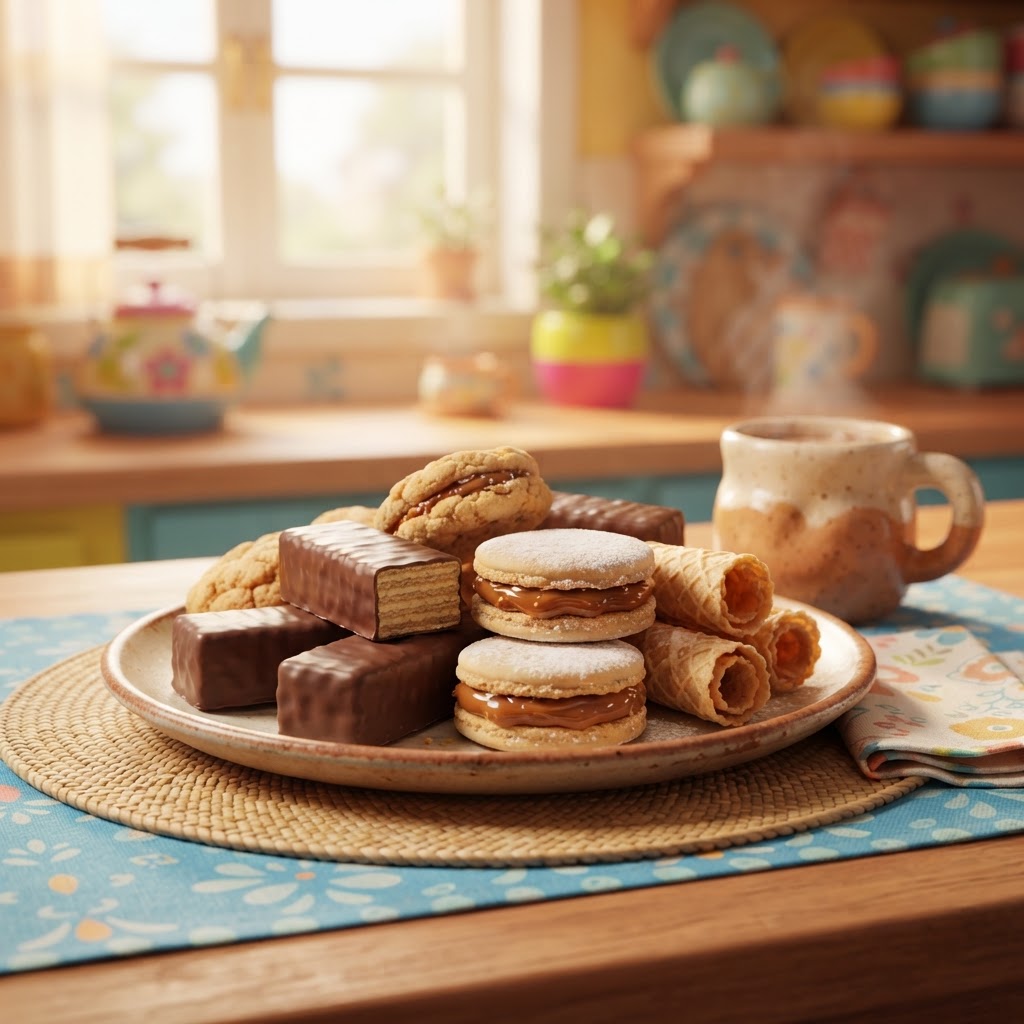
In Chile, you might see Super 8 chocolate wafers, alfajores, or cuchuflí filled with manjar. They are sweet treats to enjoy sometimes. Ask, “May I have a small piece, please?”
Books & Stories
Try a funny Diary of a Wimpy Kid story, an adventure in Magic Tree House, or a story by Chilean author Marcela Paz about Papelucho. A book can take you on a new adventure!

Music & Dance
Clap to a song you like, try a clean pop tune, or dance a cueca step with your family. You can also enjoy the playful songs of Chile’s 31 Minutos. Say, “I can dance to the beat!”

Hobbies & After-School Fun
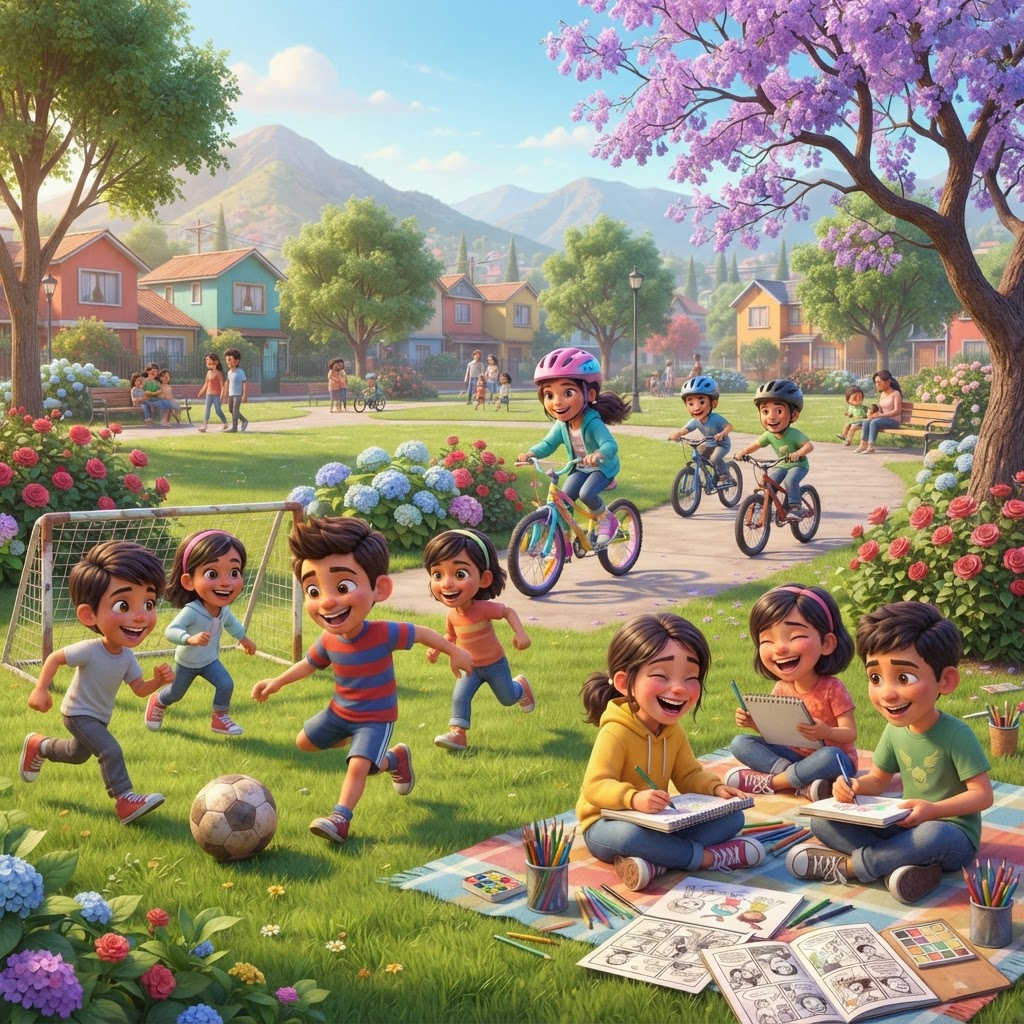
After school, you could play fútbol, ride a bike with a helmet, draw a comic, or make a paper craft. Invite a friend: “Do you want to play?”
School Subjects Vocabulary
These words help you talk about your school day:
- Math — matemáticas. “We count stars in math.”
- Science — ciencias. “We learn about plants in science.”
- History — historia. “I read about the past in history.”
- Art — arte. “I paint a blue bird in art.”
- Music — música. “We sing together in music.”
- Physical Education (PE) — educación física. “We play a ball game in PE.”
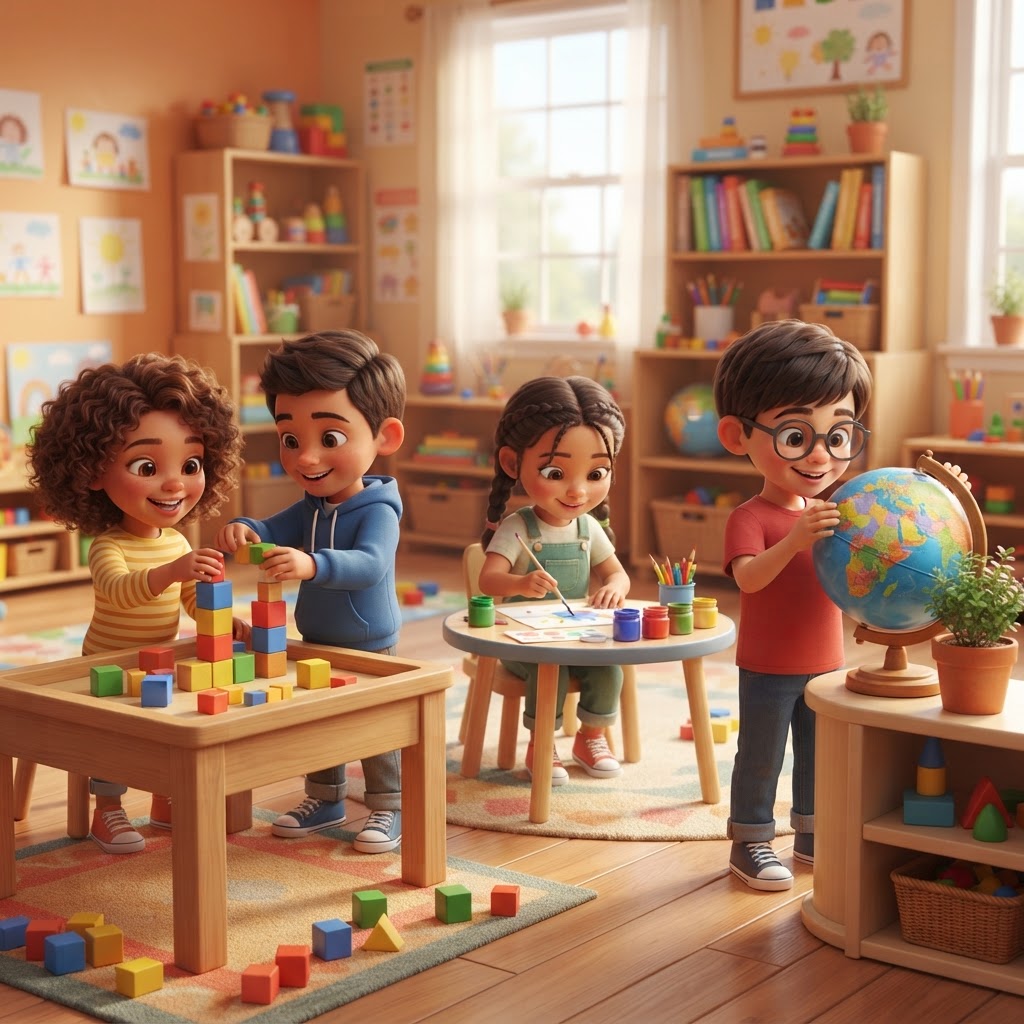
Grammar Power-Up
My favorite… is… En inglés, usa “My favorite” antes de lo que más te gusta y después “is” para decir qué es. Ejemplo en inglés: “My favorite subject is art.” En español: “Mi asignatura favorita es arte.”
Can Usa “can” antes de un verbo para hablar de algo que sabes o puedes hacer. El verbo no cambia. Ejemplo en inglés: “I can draw a comic.” En español: “Puedo dibujar un cómic.”
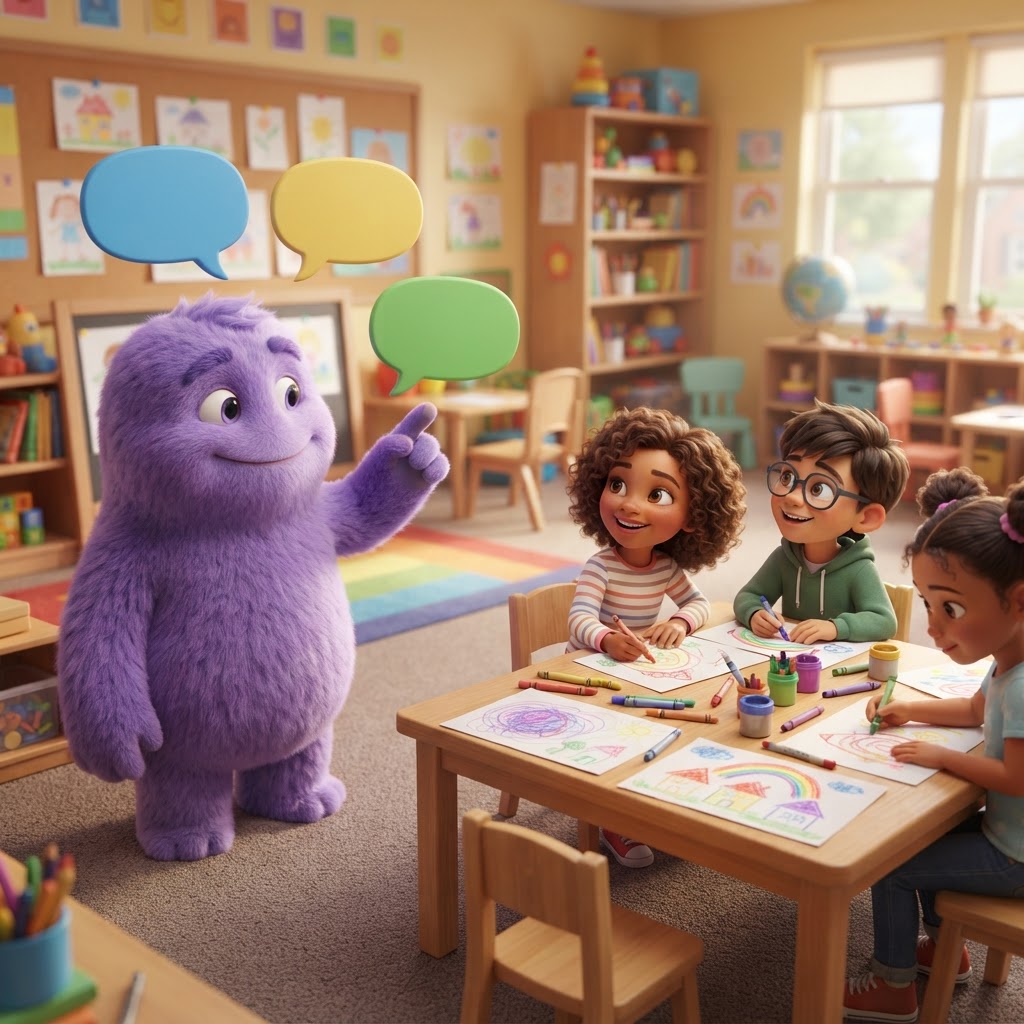
Quick Quiz
- Which Chilean treat can have manjar inside? A) Cuchuflí B) A helmet C) A book
- What can you learn about in science? A) Plants B) Cards C) Dance steps
- Which hobby uses a helmet in our post? A) Reading B) Riding a bike C) Singing
Check your answers in the quiz below. Great job, English explorer!