
A Colorful English Day in Chile
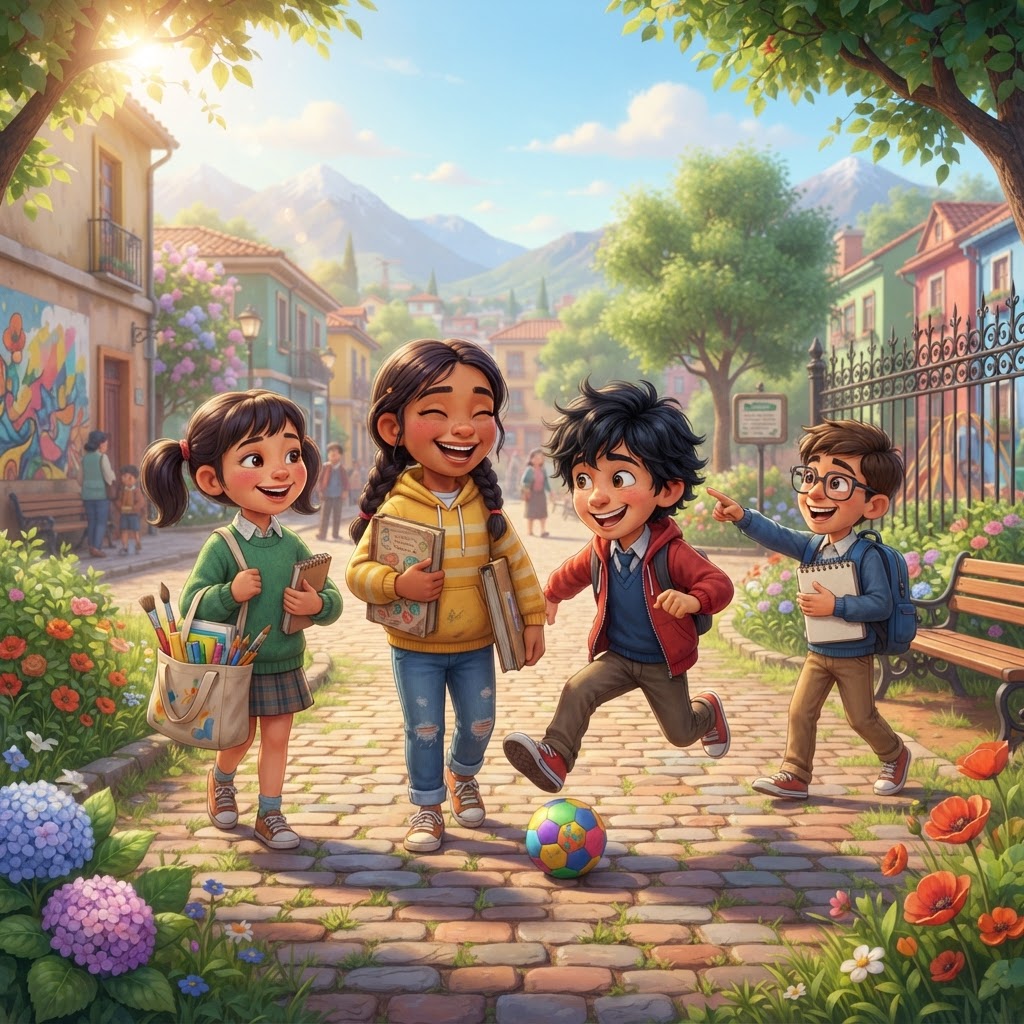
Hi, friends! Ready for a word adventure? Today we will talk about things you might enjoy after school. You can read, dance, play, and learn new English words. Let's go!
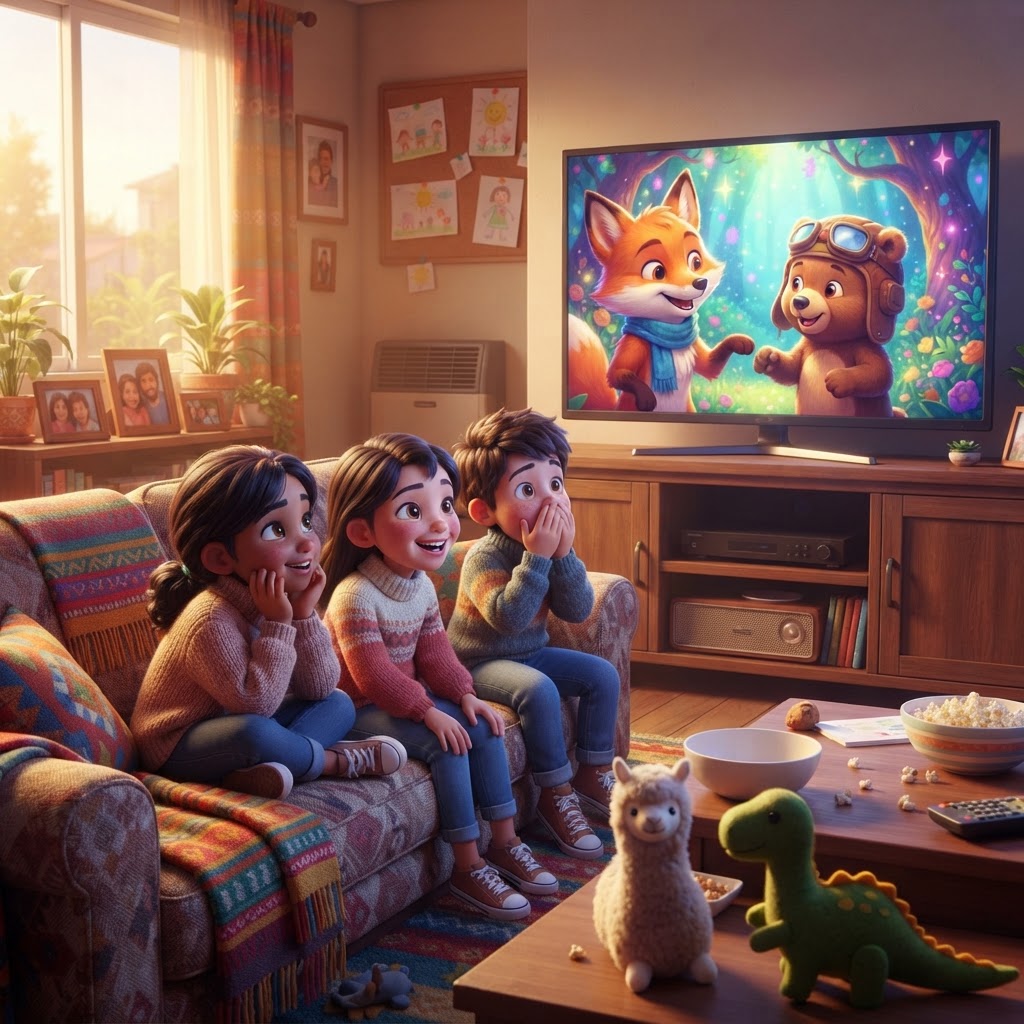
Cartoons Kids Are Watching in Chile
Some kids in Chile enjoy Bluey, Pokémon, and The Amazing World of Gumball. Which cartoon makes you laugh? Try saying: “My favorite cartoon is funny!”
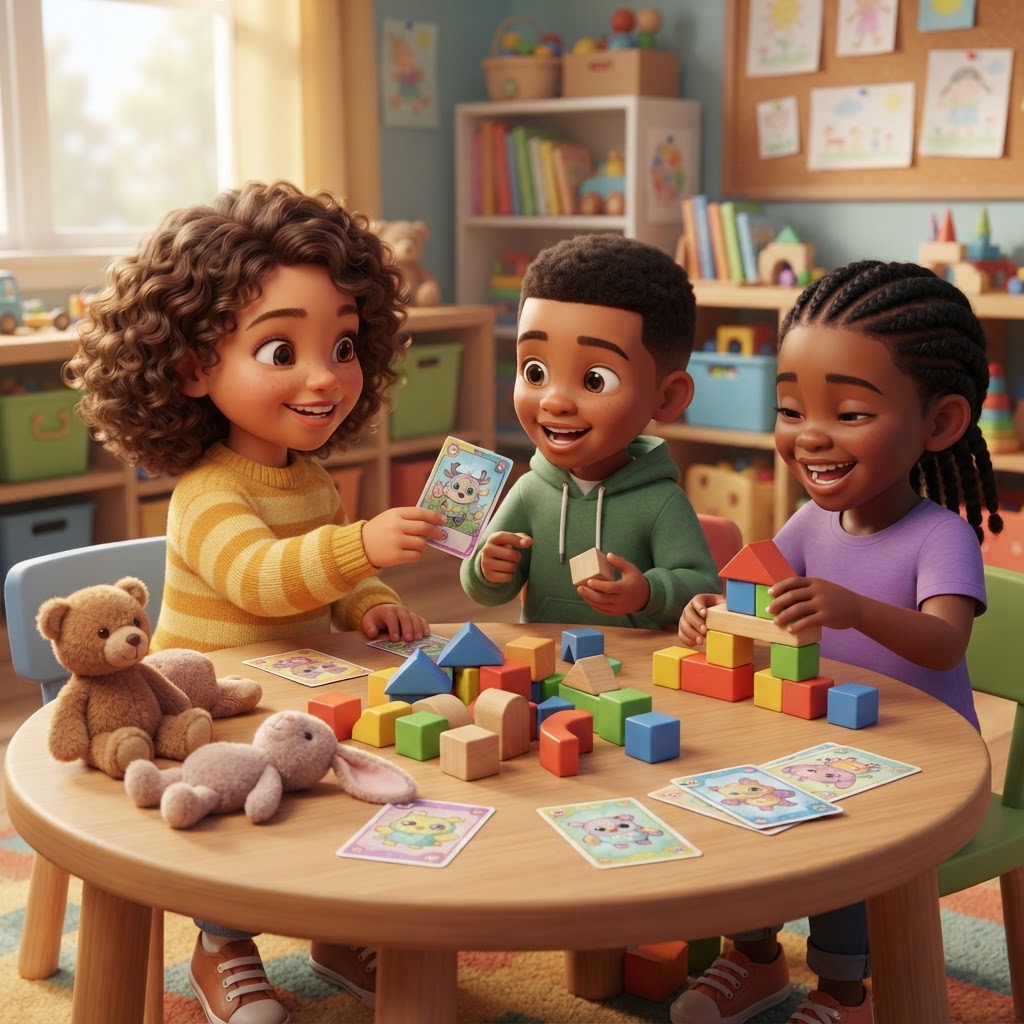
Toys & Collectibles
Building bricks, plush toys, trading cards, and board games can make a rainy afternoon fun. You can swap ideas with friends and build something new. Ask: “Can we play together?”
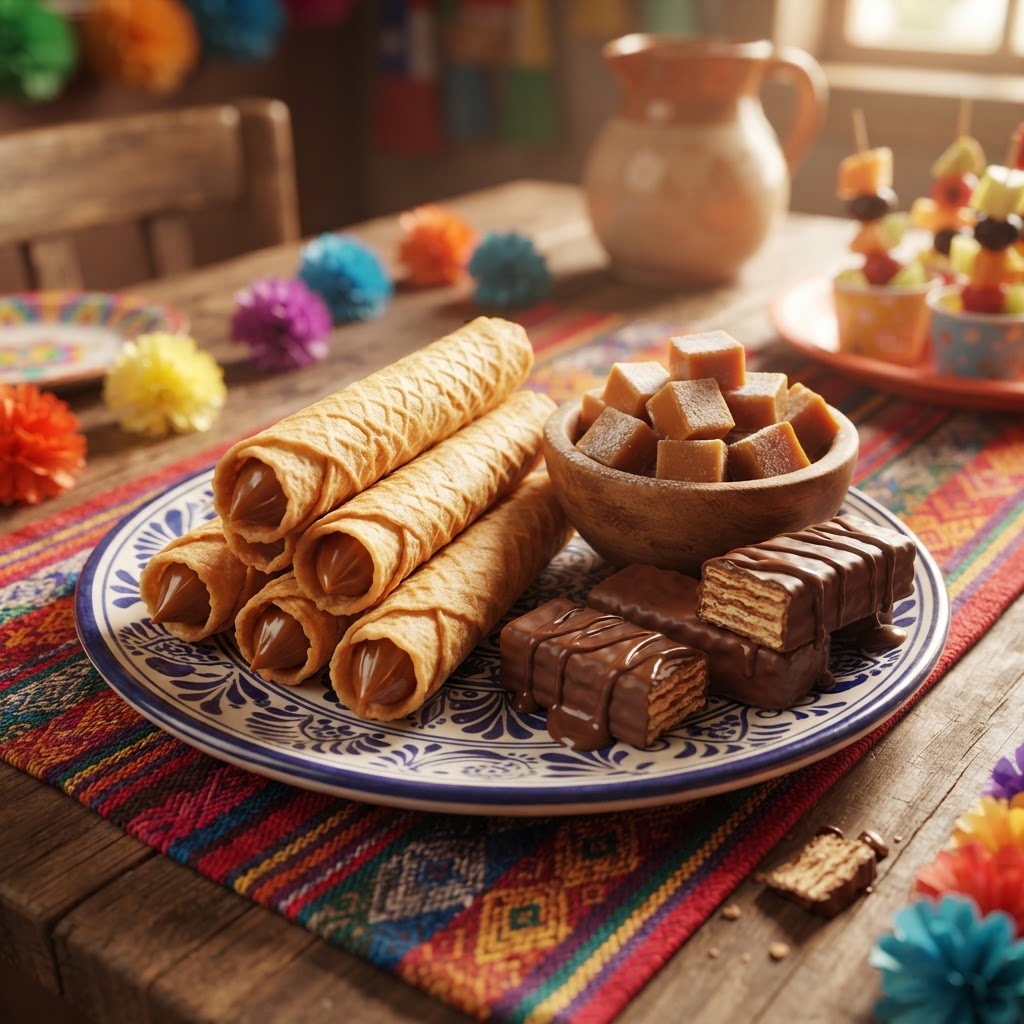
Sweet Treats & Candies
In Chile, you might see Super 8, cuchuflí, and calugas at a shop or party. A cuchuflí is a crisp roll that can have a sweet filling. Treats are for sometimes—enjoy a little and share if you can!
Books & Stories
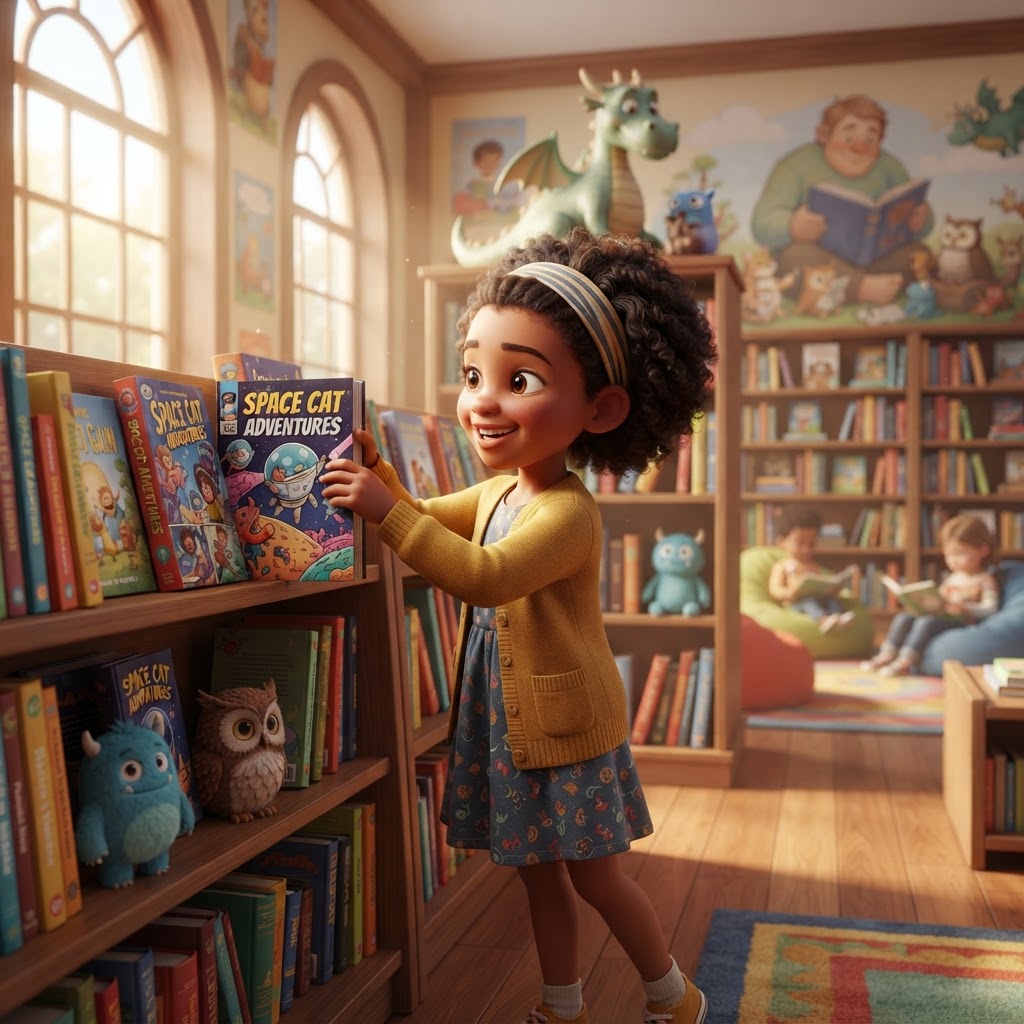
Try a funny Papelucho story, a mystery, or a comic book. Pick a book that feels right for you. You can say: “This story has a brave character.”
Music & Dance
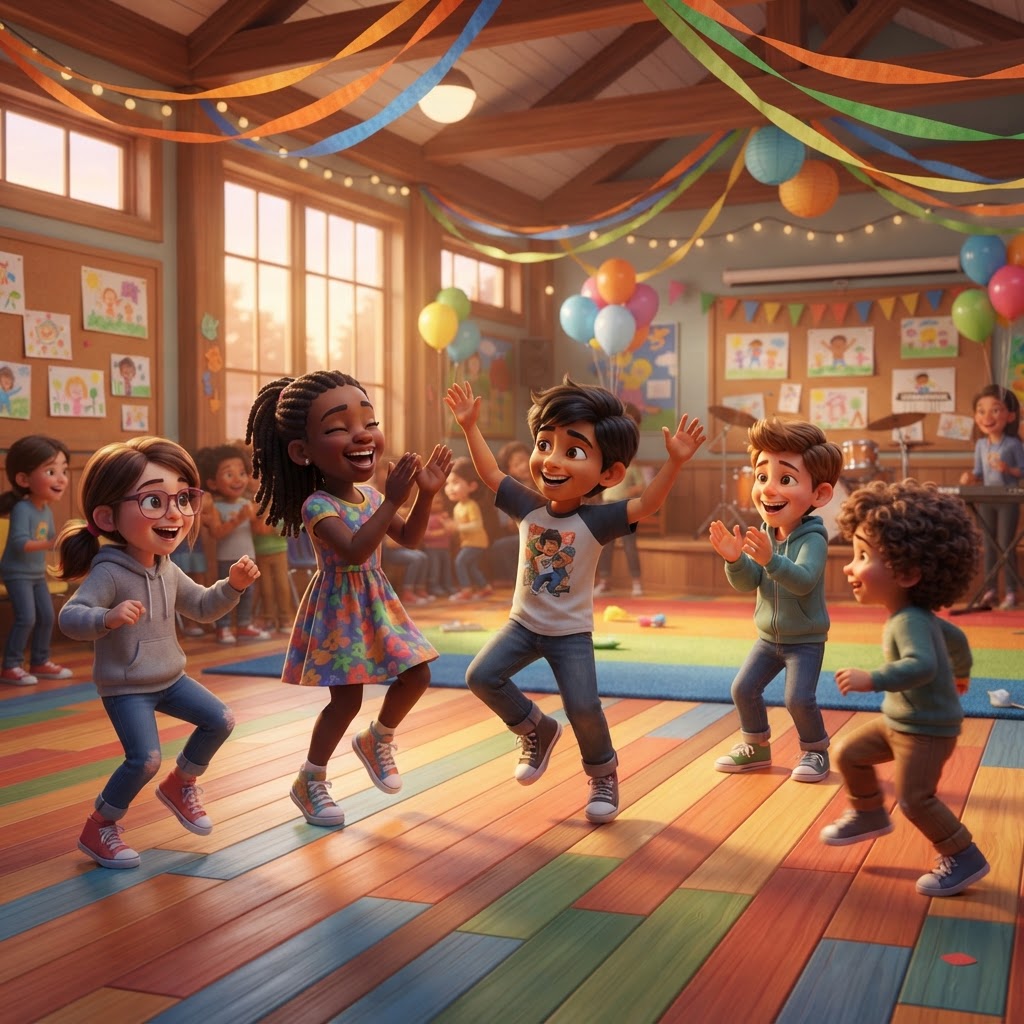
Put on a favorite family-friendly pop song, or listen to Chilean group 31 Minutos. Clap to the beat and invent a dance move! Say: “I can dance to the music.”
Hobbies & After-School Fun
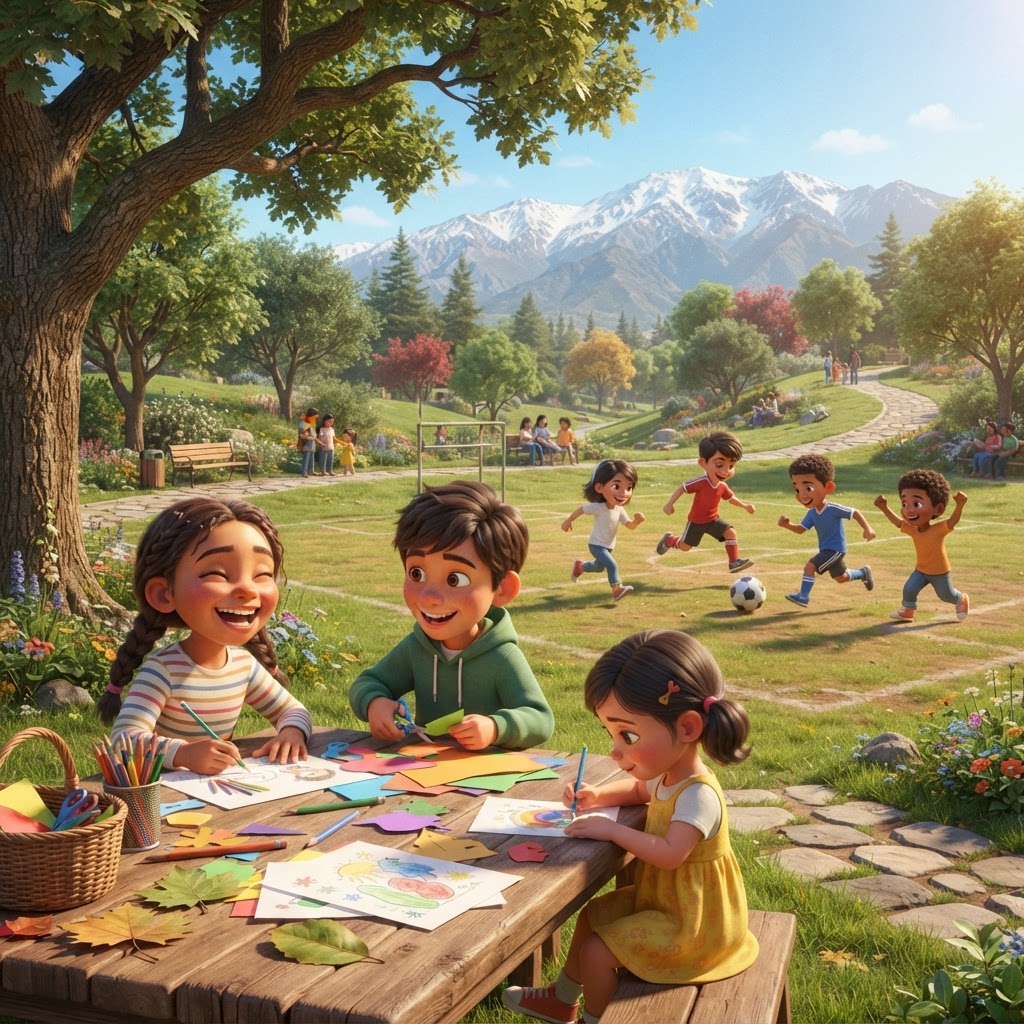
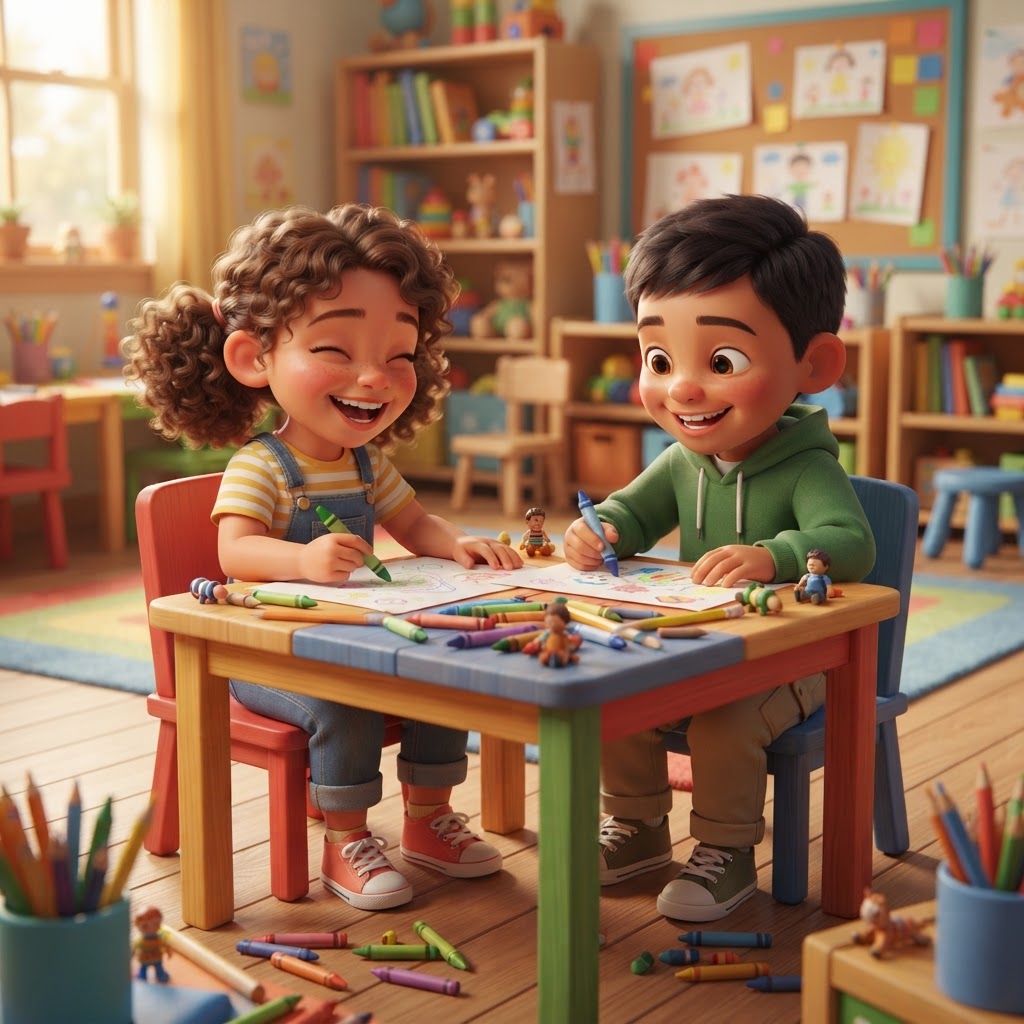
Do you like football, drawing, cycling, or making paper crafts? Choose a hobby and invite a friend. You could say: “Let's draw a colorful kite!”
School Subjects Vocabulary
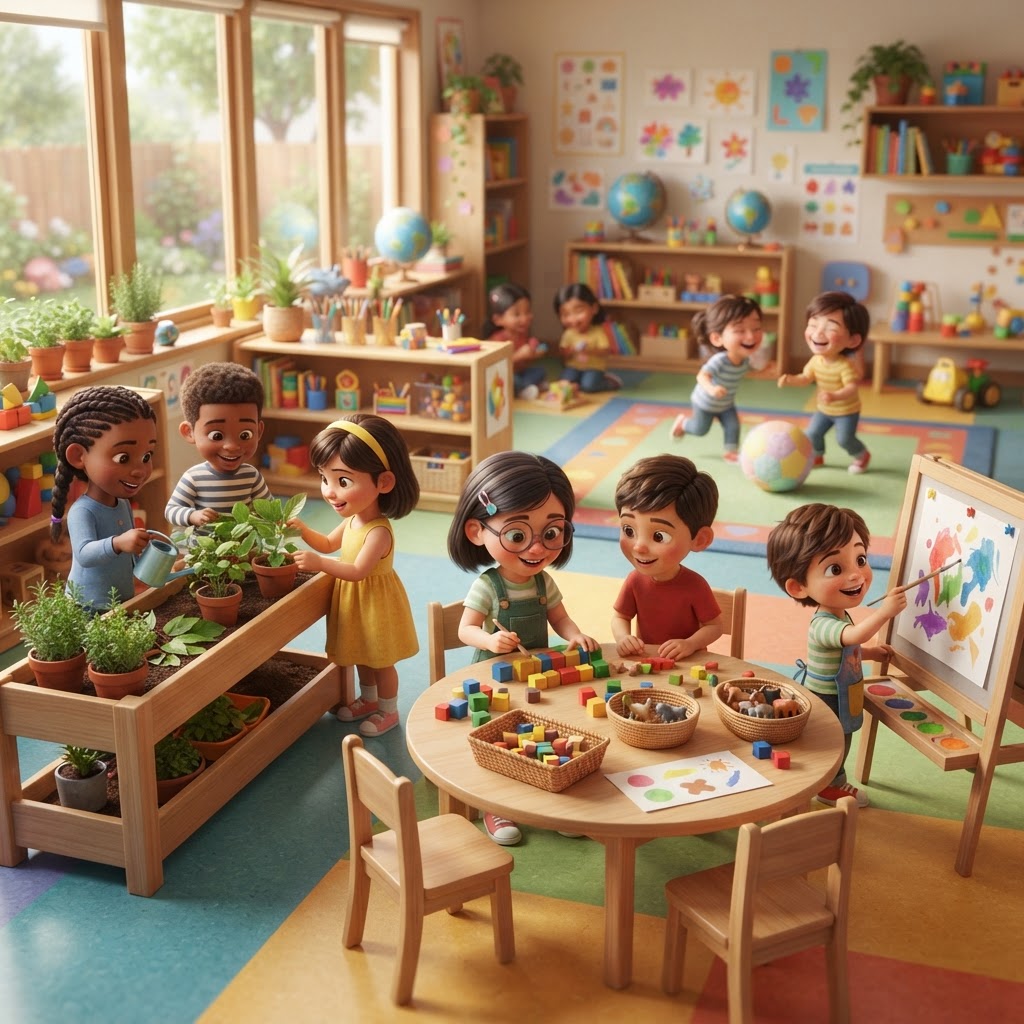
Use these words to talk about your school day:
- Math — Matemáticas: “I count stars in math.”
- Science — Ciencias: “We learn about plants in science.”
- Art — Arte: “I paint a bright bird in art.”
- History — Historia: “In history, we learn about the past.”
- Physical Education (PE) — Educación Física: “I run and play in PE.”
Grammar Power-Up
I like + sustantivo: Usa “I like” para decir que algo te gusta. Ejemplo en inglés: “I like art.” En español: “Me gusta el arte.”
Can + verbo: Usa “can” antes de un verbo para hablar de algo que puedes hacer. Ejemplo en inglés: “I can draw.” En español: “Puedo dibujar.”
Quick Quiz
Choose an answer, then check the answer key!
- Which treat is a crisp roll? A) Cuchuflí B) A book C) A trading card
- What can you learn about in science? A) Plants B) Dance shoes C) Cartoons
- Which activity is an after-school hobby in this post? A) Drawing B) Sleeping in class C) Taking a test
Answer key: 1-A, 2-A, 3-A. Great work!