
Spring Fun in Chile: Your English Adventure!
October 1, 2026
Hello, English explorers! October is here, and it is spring in Chile. Let's talk about cartoons, tasty snacks, books, and games. You can learn a little English every day. Ready? Let's go!
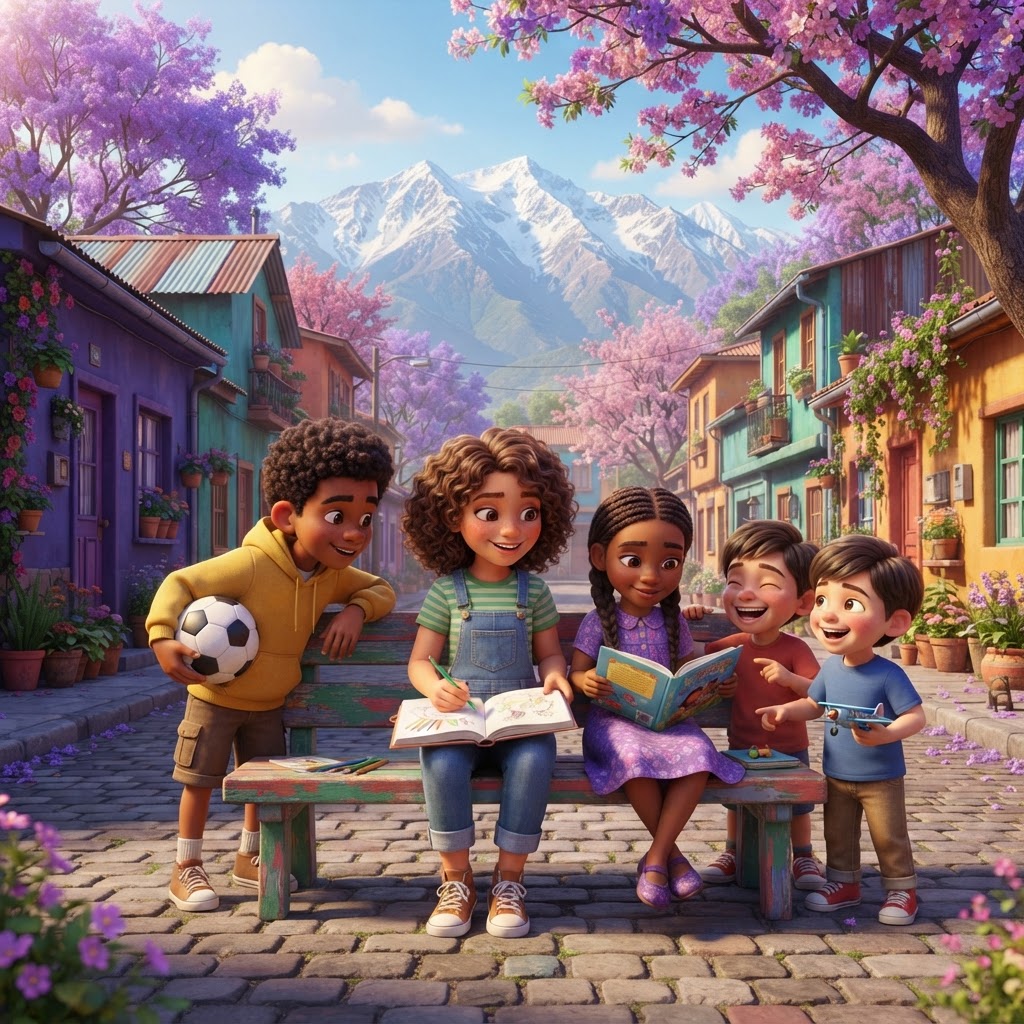
Cartoons Kids Are Watching in Chile
What cartoons do you and your friends watch? Familiar choices for children in Chile include Bluey, Pokémon, and SpongeBob SquarePants. Favorites change, and availability depends on your TV or streaming service—these are examples, not today's popularity ranking.
Bluey enjoys imaginative games. Pokémon stories feature adventures and teamwork. SpongeBob has funny underwater adventures!
Say it: “I like cartoons.” “My favorite character is funny.” Ask a friend: “What is your favorite cartoon?”
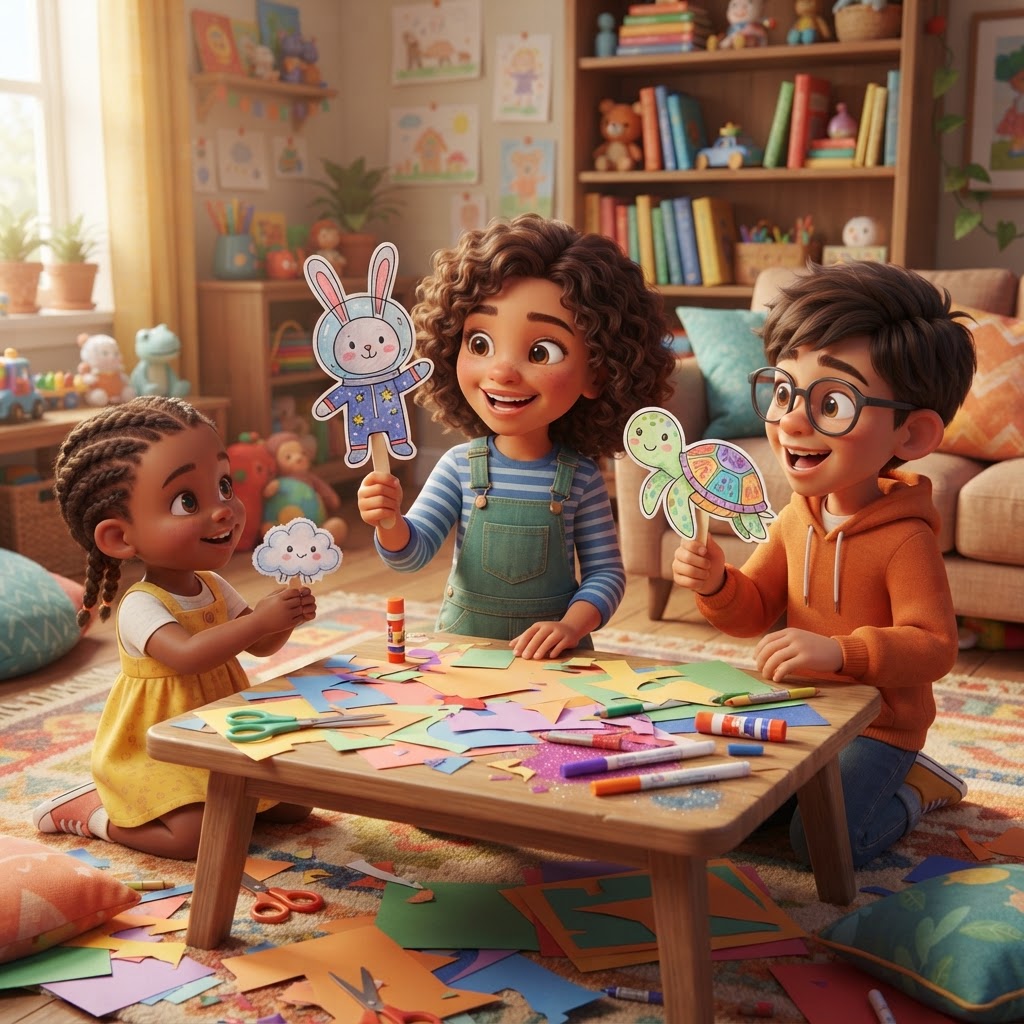
Toys & Collectibles
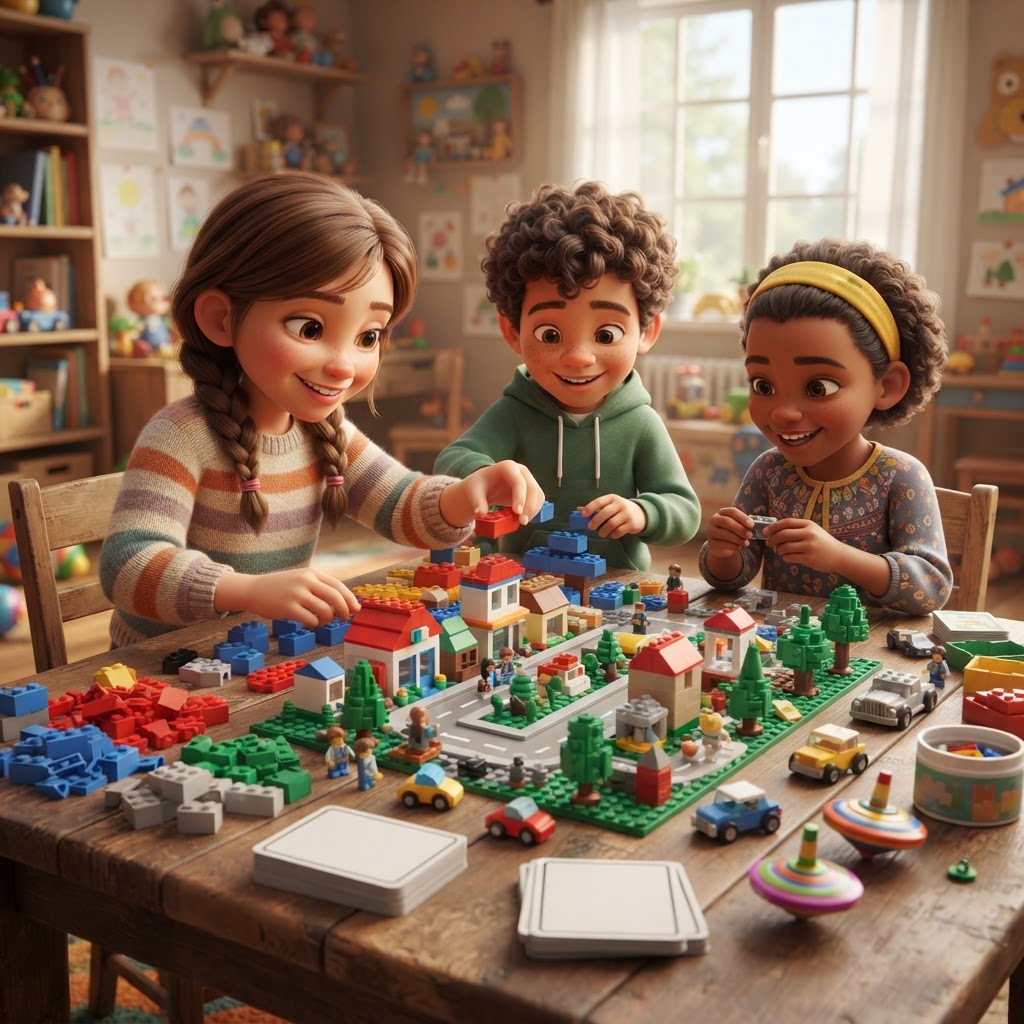
Building bricks, Pokémon cards, spinning tops, and football sticker albums are familiar play and collecting choices in Chile. What do you enjoy?
You can build a tiny town, organize cards, or play a board game with your family. You do not need a new toy to have fun: make a memory game with scrap paper!
Say it: “I have three cards.” “Let's play together!” Ask an adult before buying or trading collectibles, and respect other people's things.
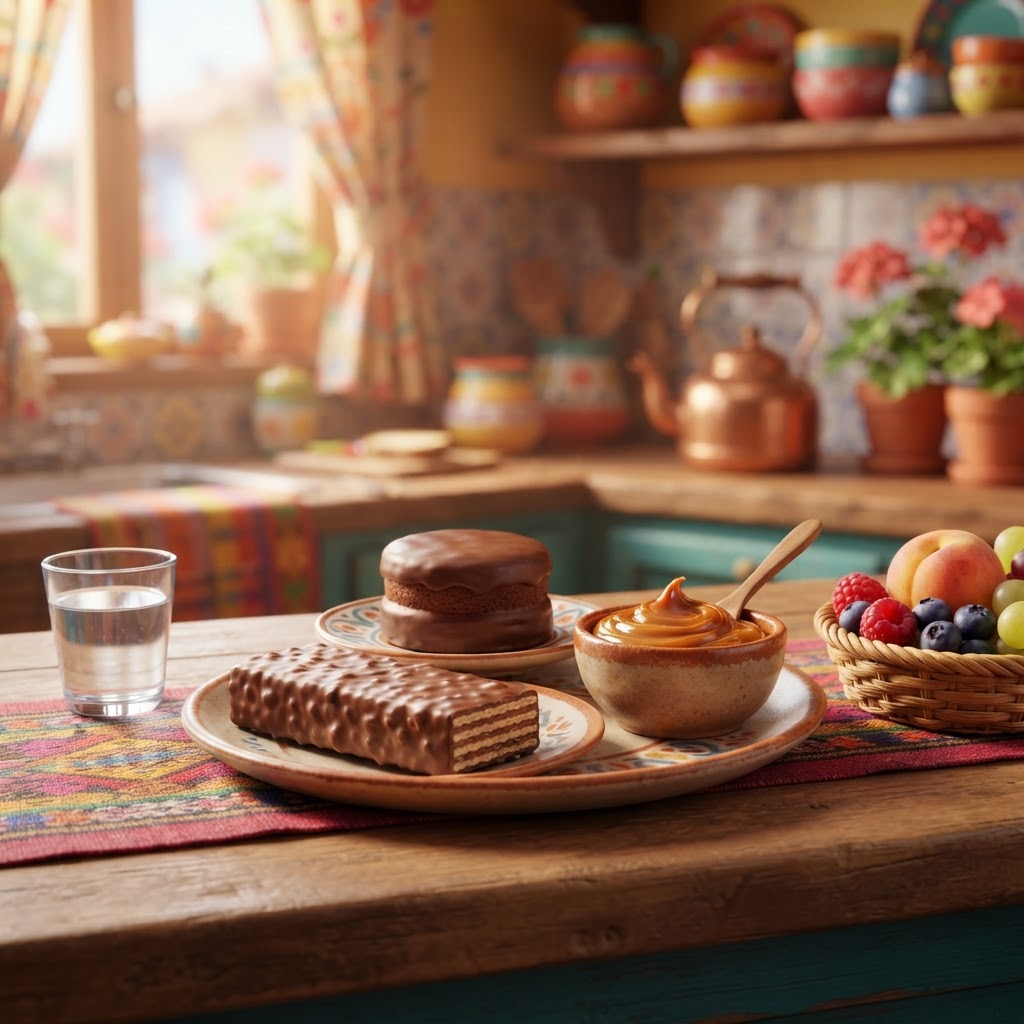
Sweet Treats & Candies
Chile has some well-known sweet treats! A Super 8 is a chocolate-covered wafer. A Chocman is a chocolate-covered snack cake. Manjar is a sweet milk spread used in many desserts.
Try these English words: sweet, crunchy, and soft. A wafer can be crunchy. A snack cake can be soft!
Treats are for enjoying in small amounts. Drink water, eat a variety of foods, and check ingredients with an adult if you have a food allergy.
Books & Stories
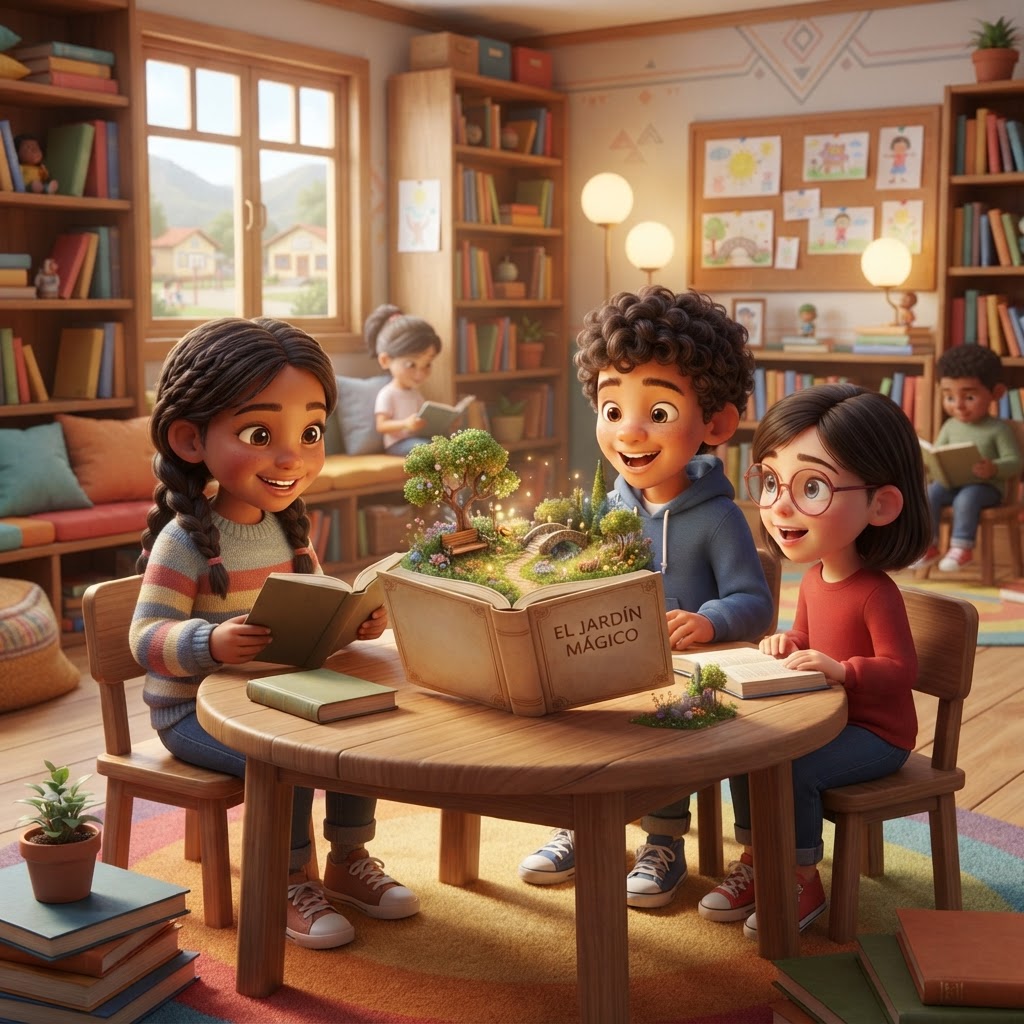
Meet Papelucho, the curious child created by Chilean author Marcela Paz. His stories turn everyday life into an adventure!
For another reading adventure, explore Matilda by Roald Dahl, or choose an illustrated animal story from your school library. Pick a book that feels comfortable for you. A librarian can help!
Mini challenge: Read a short page in English. Find one word you know and one new word. Say: “This story is interesting!”
Music & Dance
Let's move to the music! 31 Minutos has playful songs familiar to many families in Chile. “Mi muñeca me habló” is one song you can explore with your family. Child-friendly songs from Encanto are another fun sing-along choice.
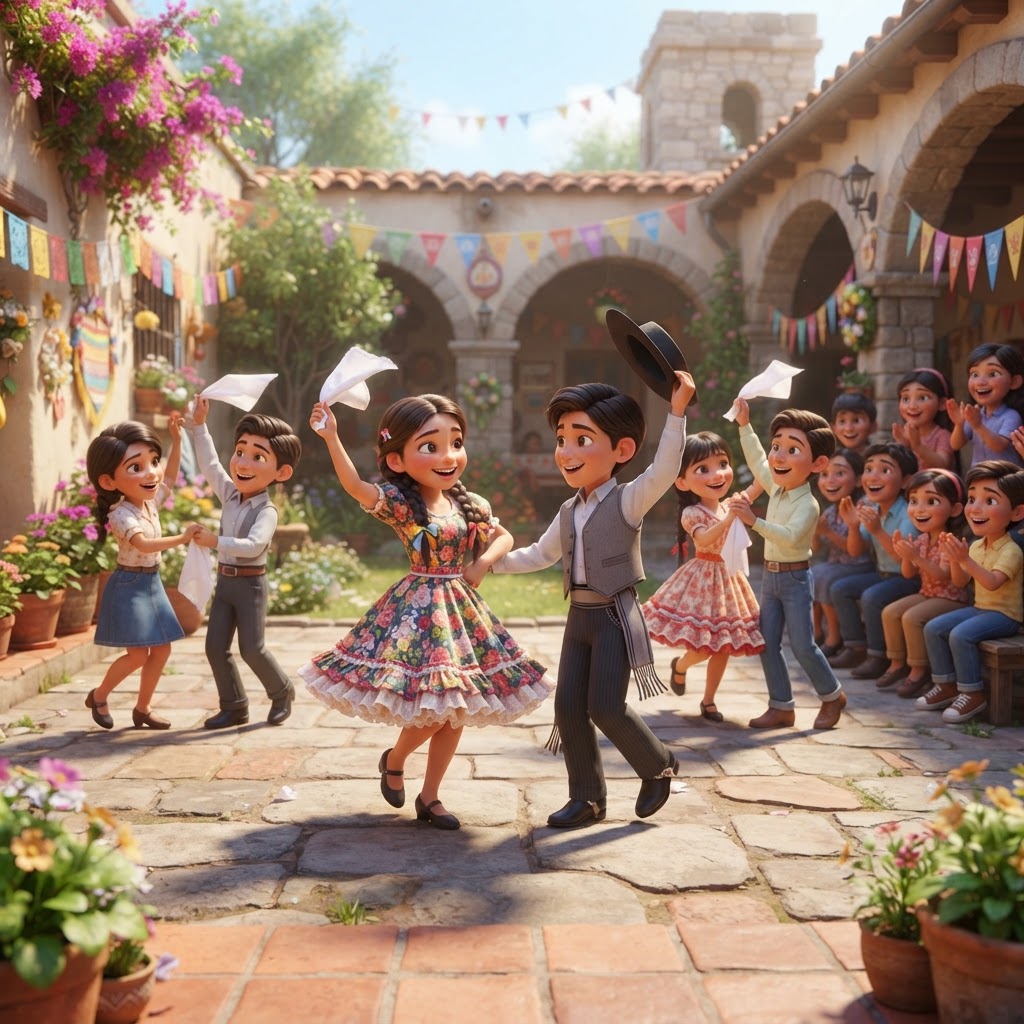
For a Chilean dance connection, learn a few cueca steps with a teacher or family member. Use a handkerchief and give other dancers space!
Action words: clap, step, turn. “I can clap.” “I can dance.” Keep the volume comfortable for your ears.
Hobbies & After-School Fun
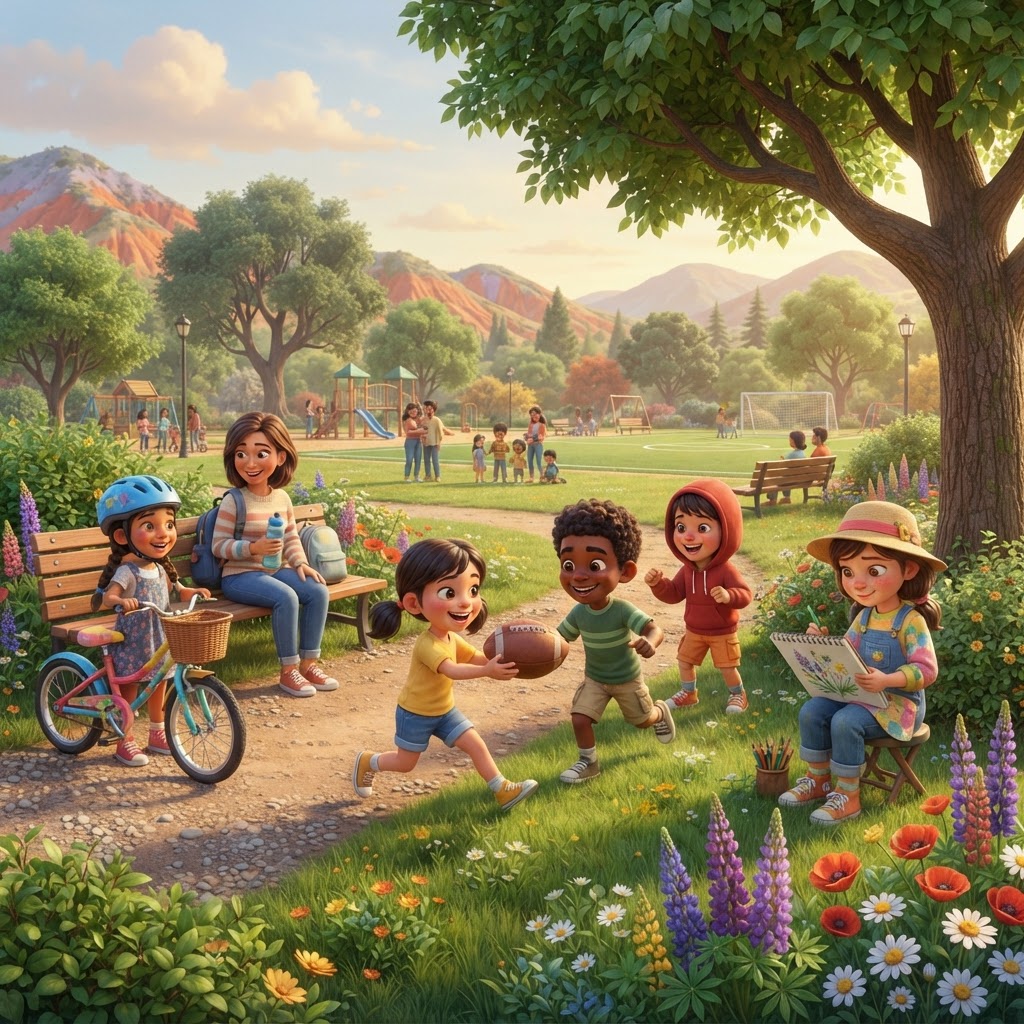
Spring is a lovely time for football, cycling, drawing, and gardening. Choose an activity you enjoy!
- Football: Pass the ball and include everyone.
- Cycling: Wear a helmet and ride in a safe place with adult guidance.
- Drawing: Draw a spring flower with colorful pencils.
- Gardening: Help an adult plant a seed and watch it grow.
Say it: “I like drawing.” “I play football after school.”
School Subjects Vocabulary
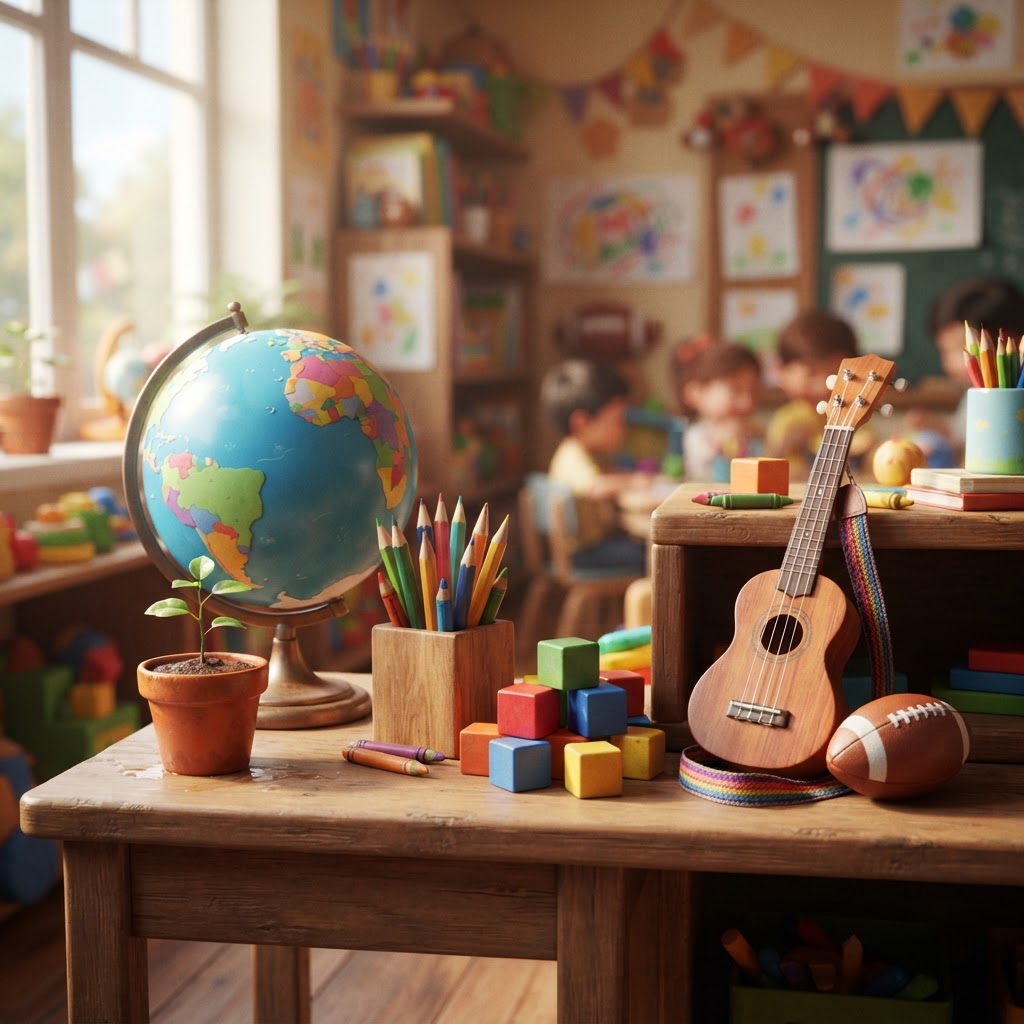
What is your favorite school subject? Learn these words and read the examples aloud!
- English — inglés: “I learn new words in English.”
- Math — matemáticas: “I add numbers in math.”
- Science — ciencias: “We learn about plants in science.”
- History — historia: “We learn about the past in history.”
- Geography — geografía: “I find Chile on a map in geography.”
- Art — artes: “I draw a flower in art.”
- Music — música: “We sing together in music.”
- Physical education (PE) — educación física: “We practice passing a ball in PE.”
Your turn: “My favorite subject is _____.”
Grammar Power-Up
1. I like + verb-ing
Para decir que te gusta una actividad, puedes usar I like seguido de un verbo terminado en -ing. Por ejemplo, draw se convierte en drawing.
English: “I like drawing.”
Español: “Me gusta dibujar.”
2. I can + verbo base
Usa I can para decir que puedes o sabes hacer algo. Después de can, escribe el verbo en su forma base, sin to y sin -ing.
English: “I can dance.”
Español: “Puedo bailar.”
¡Tu turno! Completa: “I like _____.” y “I can _____.”
Quick Quiz
Can you remember these details? Choose one answer for each question!
Which treat is a chocolate-covered wafer?
A. Manjar
B. Super 8
C. ChocmanWho created Papelucho?
A. Marcela Paz
B. Roald Dahl
C. BlueyIn which subject do we learn about plants?
A. History
B. Music
C. Science
Check your answers!
1: B — Super 8 is a chocolate-covered wafer.
2: A — Marcela Paz created Papelucho.
3: C — We learn about plants in science.
Great effort, explorer! Tell someone one new English word you learned today.