
Spring Fun in Chile!
October 2, 2026 · English for ages 8–13
Hello, English explorers! It is spring in Chile. Let’s talk about cartoons, games, books, and things you enjoy. Read the short sentences, say the new words, and try our quiz. You can do it!
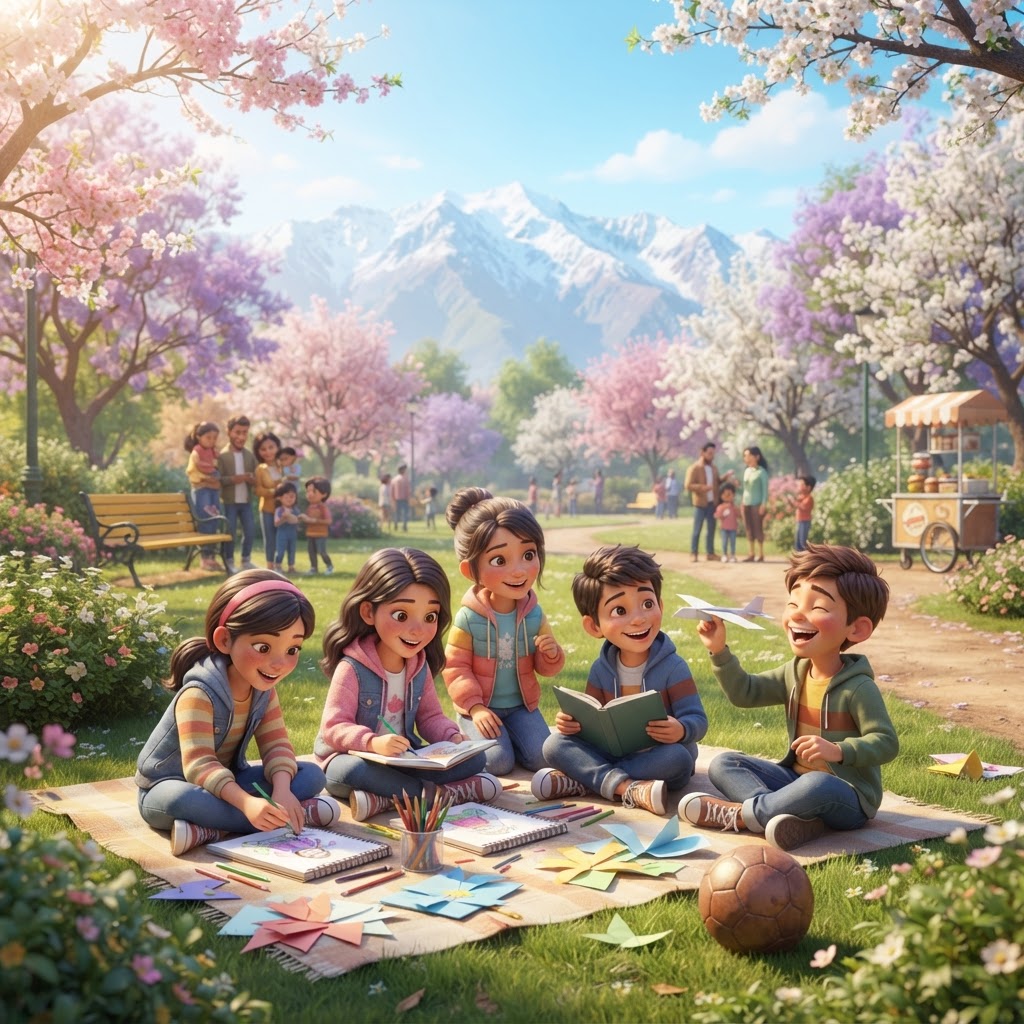
Cartoons Kids Are Watching in Chile
Looking for a cartoon to talk about in English? Familiar choices for children in Chile include Bluey, Pokémon, and The Amazing World of Gumball. Everyone has different favorites!
Bluey enjoys imaginative games with her family. Pokémon stories feature adventures and teamwork. Gumball has funny adventures at home and school.
Say it: “My favorite cartoon is Bluey.” What is your favorite cartoon?
Toys & Collectibles
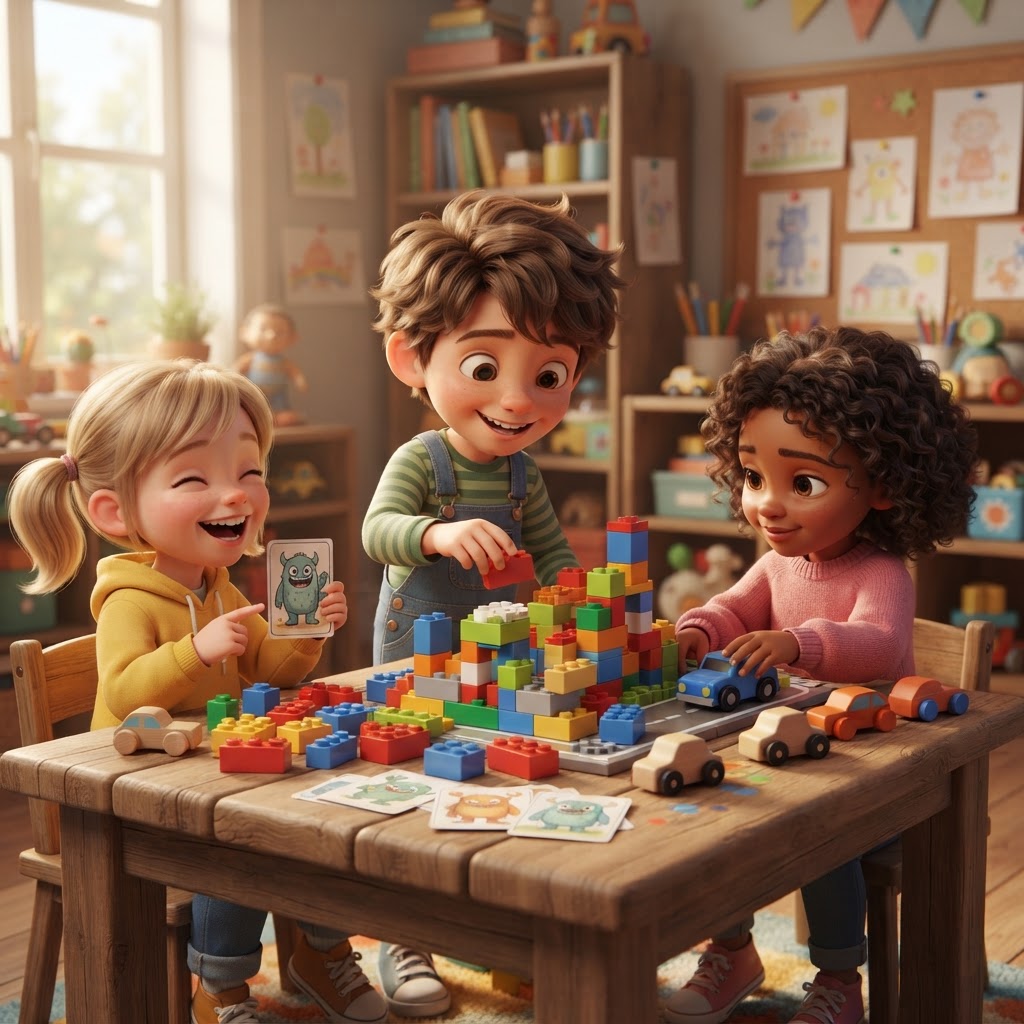
Building bricks, toy cars, Pokémon cards, and games like UNO are familiar playtime choices. You do not need a new toy to have fun: make a paper game or build with what you already have!
Try English: “I have a red car.” “We play cards.” If you trade collectibles, ask a trusted adult and make sure everyone agrees.
Sweet Treats & Candies
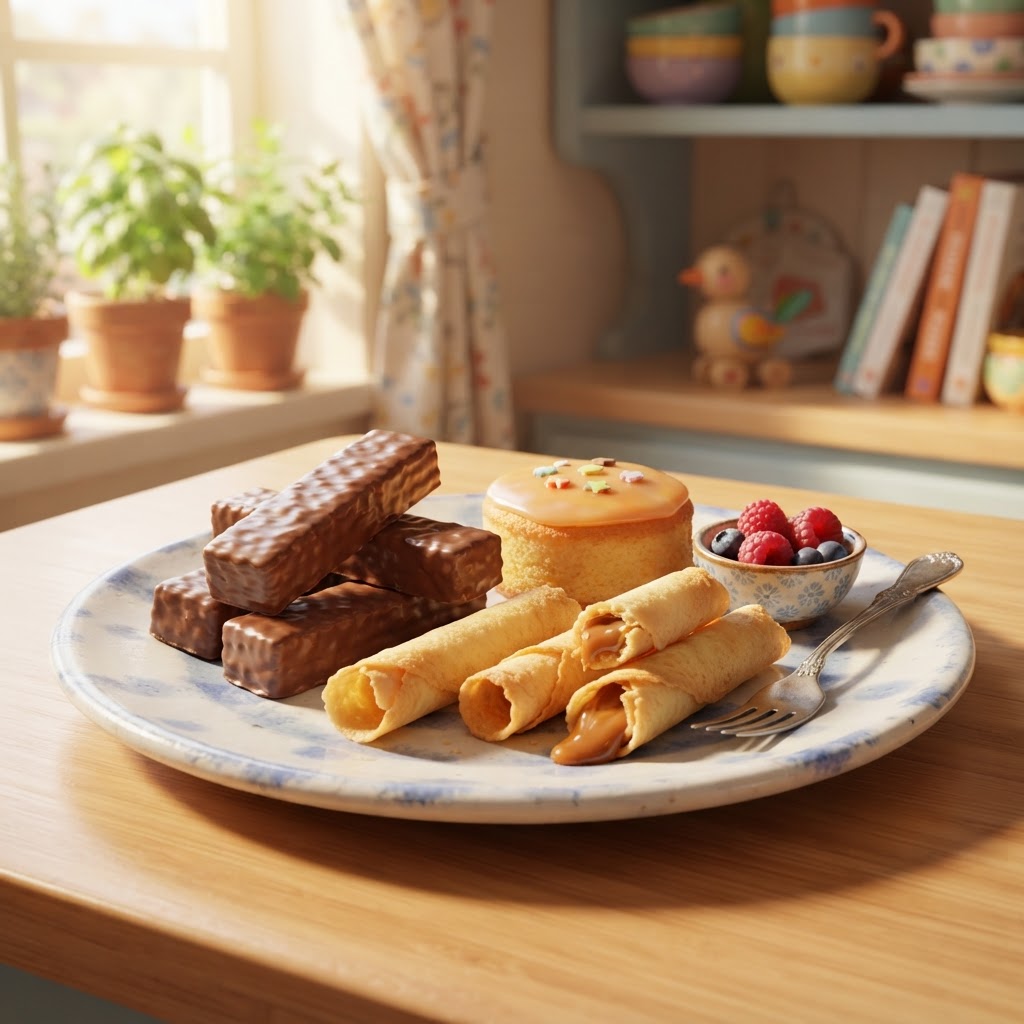
Chile has tasty treats such as Super 8 chocolate-covered wafers, Chocman snack cakes, and cuchuflí wafer tubes, often filled with manjar. Which one do you know?
Say it: “The wafer is crunchy.” “The filling is sweet.” Enjoy sweets as an occasional treat. Ask an adult to check ingredients if you have a food allergy.
Books & Stories
Open a book and start an adventure! Papelucho, by Chilean author Marcela Paz, shares a child’s thoughts and adventures. Matilda, by Roald Dahl, is about a girl who loves books. Dog Man, by Dav Pilkey, tells funny stories with lots of pictures.
Choose a book that feels right for your reading level. Read a short page with a friend or adult.
Say it: “I like funny stories.”

Music & Dance
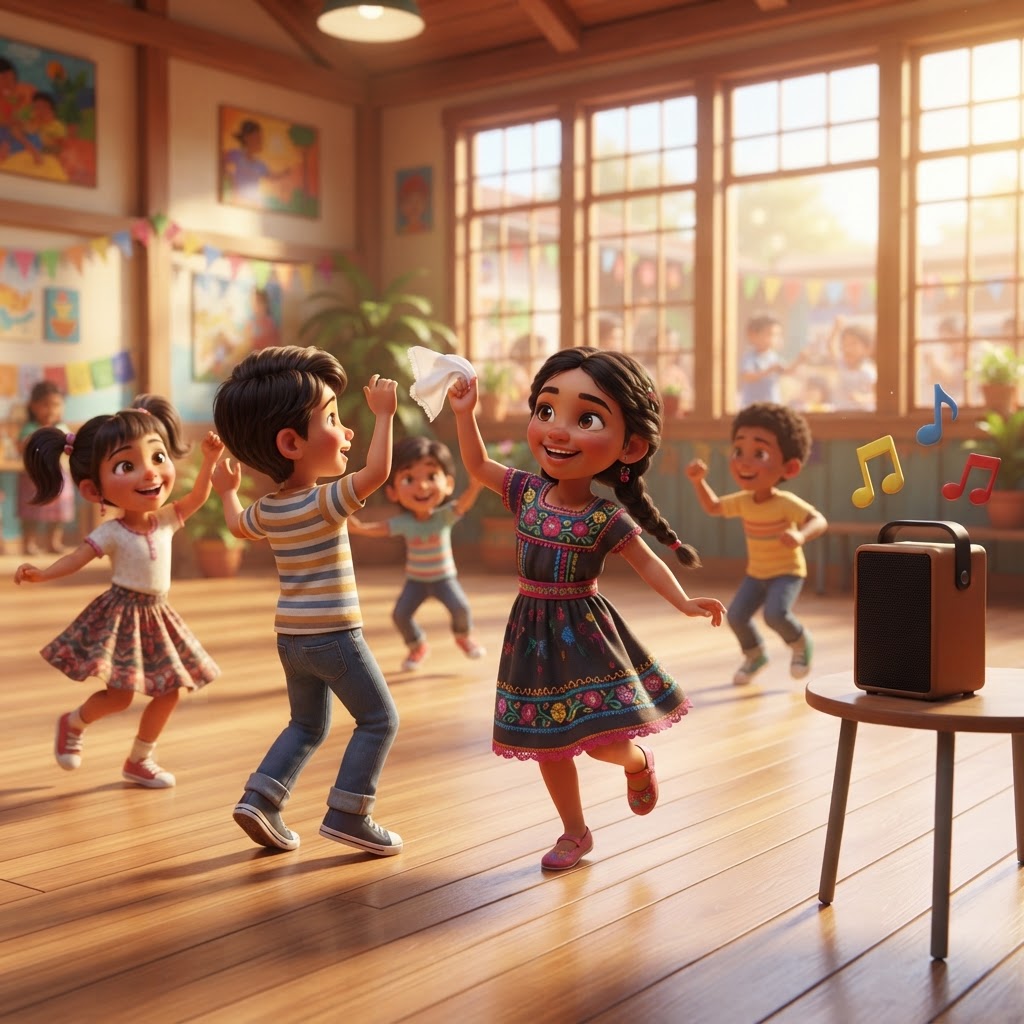
Music can make English practice fun! Try a family-friendly song such as “Try Everything” from Zootopia, or enjoy the playful music of Chile’s 31 Minutos. You can also practice cueca steps with your family!
Pick songs with a trusted adult, keep the volume comfortable, and make space before dancing.
Action challenge: Clap twice, turn around slowly, and say, “I can dance!”
Hobbies & After-School Fun
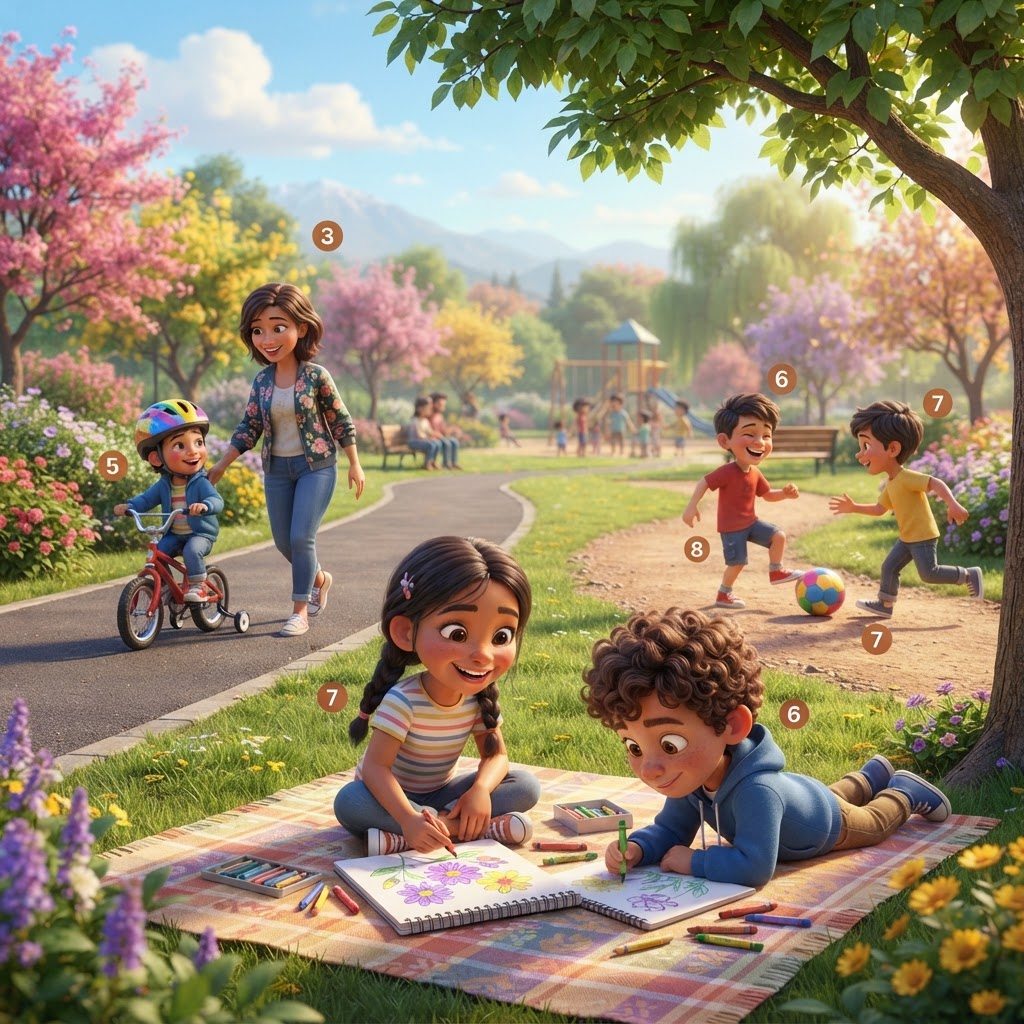
Football, cycling, drawing, and making paper crafts are fun ways to spend an afternoon. Spring is a lovely time to notice flowers and birds, too.
Wear a helmet when cycling and choose a safe place with an adult. For an indoor activity, draw a spring garden and name its colors in English.
Ask a friend: “Do you like football?” Answer: “Yes, I do!” or “No, I don’t. I like drawing.”
School Subjects Vocabulary
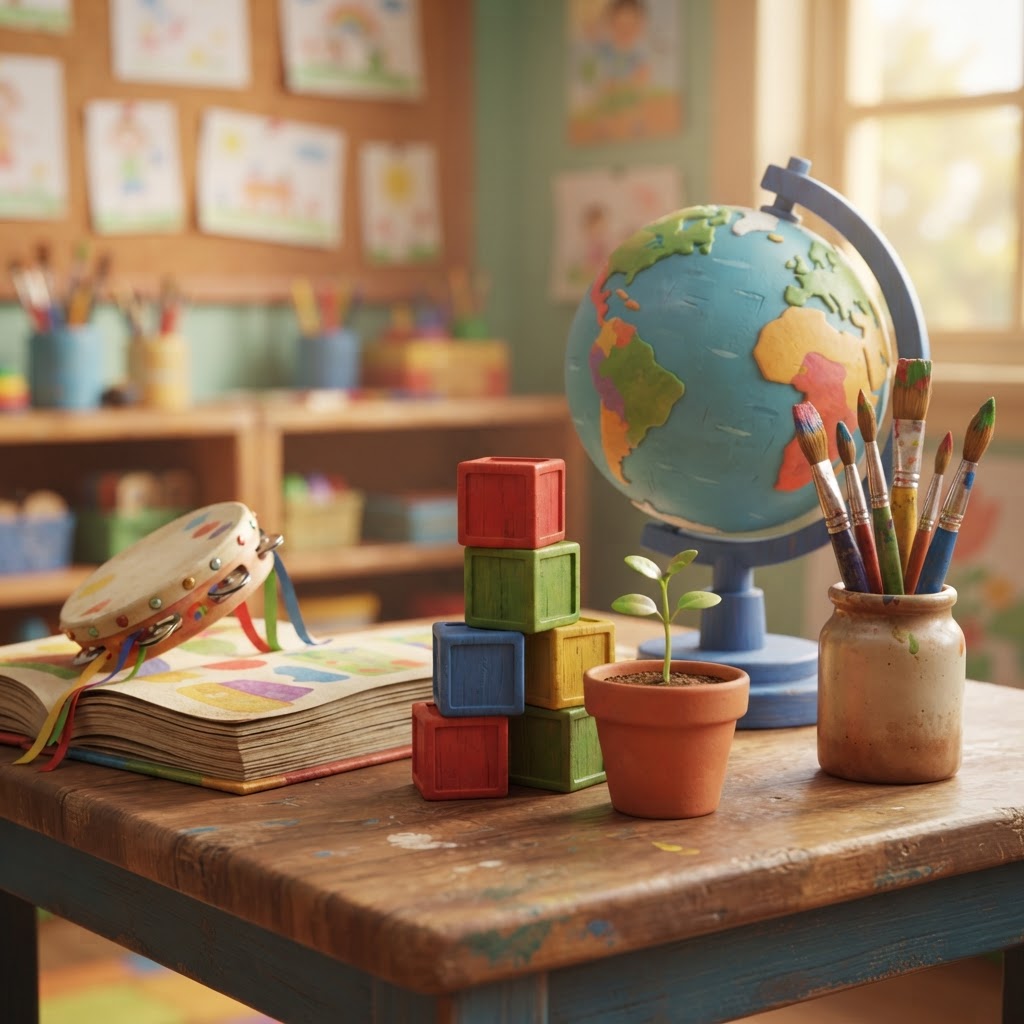
What subjects do you study? Say these words out loud!
- Math — Matemáticas: “In math, I add numbers.”
- Science — Ciencias: “In science, we learn about plants.”
- English — Inglés: “In English, I learn new words.”
- History — Historia: “In history, we learn about the past.”
- Art — Artes: “In art, I draw a colorful bird.”
- Music — Música: “In music, we sing together.”
- Physical education (PE) — Educación Física: “In PE, we run and play.”
Your turn: “My favorite subject is _____.”
Grammar Power-Up
1. I like + noun / verbo con -ing
Para expresar lo que te gusta, usa I like seguido de un sustantivo. Si hablas de una actividad, usa el verbo con -ing.
English: “I like books.”
Español: “Me gustan los libros.”
English: “I like drawing.”
Español: “Me gusta dibujar.”
2. Can + verbo en forma base
Usa can para decir lo que sabes o puedes hacer. Después de can, el verbo va en su forma base, sin to y sin -s. La forma negativa es can’t.
English: “I can dance.”
Español: “Puedo bailar.”
English: “I can’t fly.”
Español: “No puedo volar.”
Quick Quiz
Read, think, and choose your answer!
Which cartoon character enjoys imaginative games with her family?
A. Bluey · B. Matilda · C. Papelucho
Which Chilean treat is a wafer tube often filled with manjar?
A. An apple · B. Cuchuflí · C. A sandwich
In which subject do we learn about plants?
A. Music · B. Art · C. Science
Check your answers!
1. A — Bluey enjoys imaginative family games.
2. B — Cuchuflí is a wafer tube often filled with manjar.
3. C — We learn about plants in science.
Great work, English explorer! Use one new sentence today.