
Saturday English Adventure!
Hi, English explorers! Today is October 3, 2026. It is Saturday, and spring is here in Chile! Let's talk about stories, games, snacks, and school. Say this aloud: “I can learn something new!”
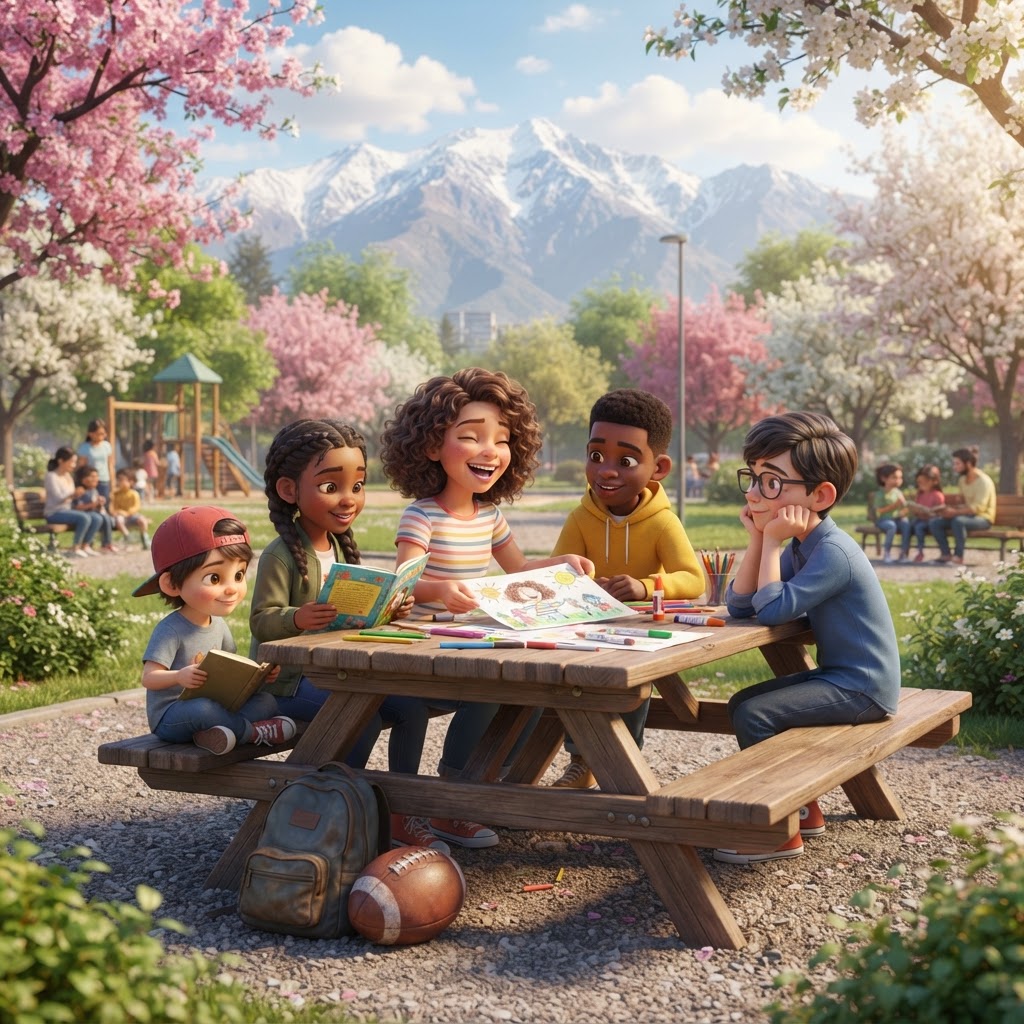
Cartoons Kids Are Watching in Chile
Looking for a cartoon to talk about with friends? Familiar choices for children in Chile include Bluey, Pokémon, and SpongeBob SquarePants. These are examples, not a live popularity ranking, and availability can change.
Bluey enjoys imaginative games. Pokémon stories feature adventures and teamwork. SpongeBob has funny underwater adventures!
Try English: “My favorite cartoon is Bluey.” Which cartoon do you like? Ask an adult to help you choose an episode with English audio or subtitles.
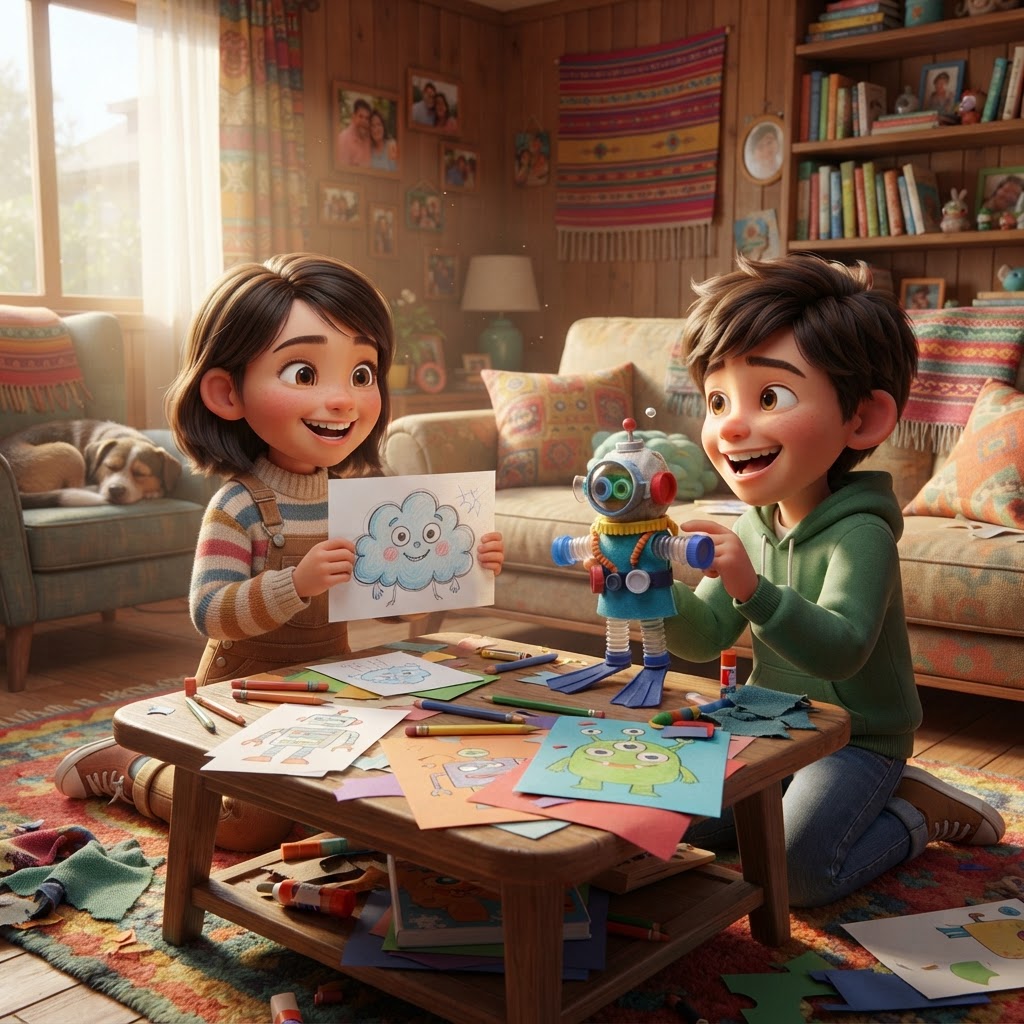
Toys & Collectibles
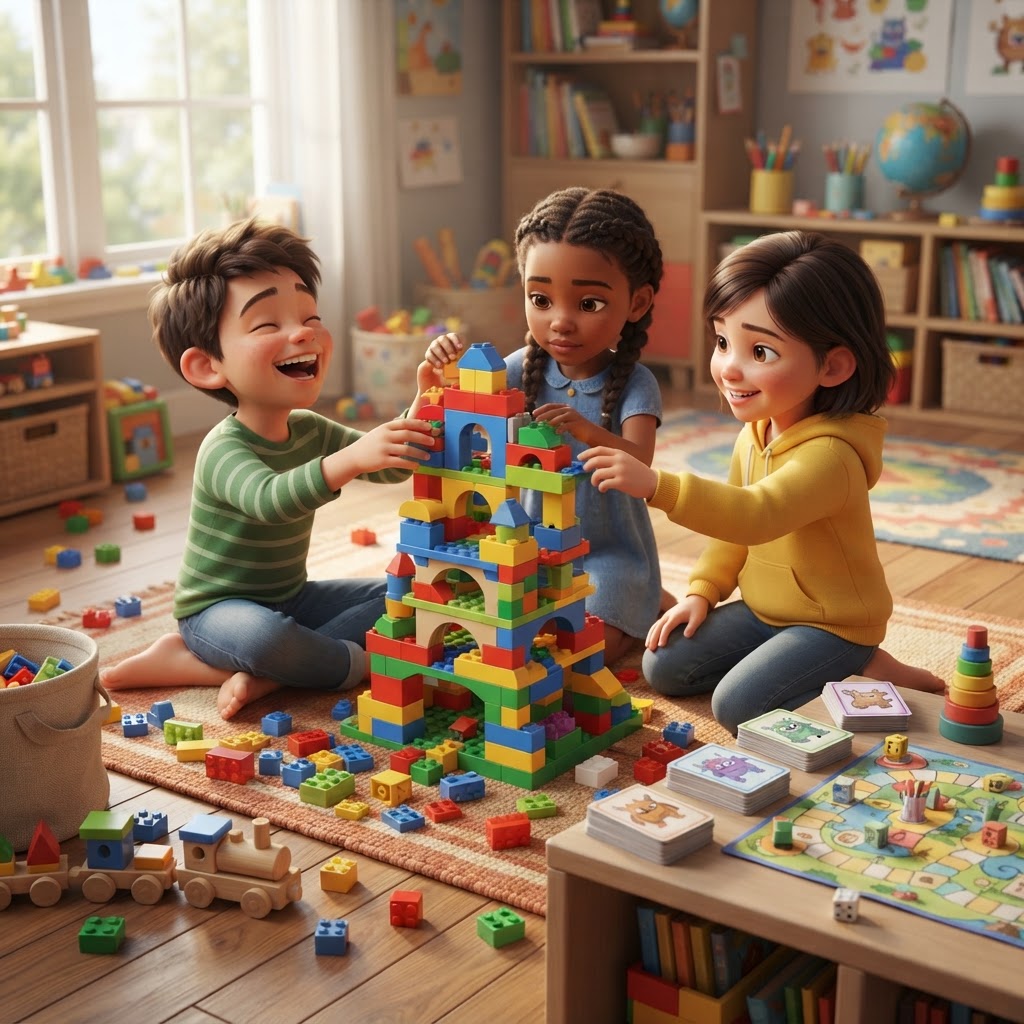
Building bricks, Pokémon cards, spinning tops, and board games are familiar favorites. You do not need a new toy to have fun: build a tower with what you have, or make a paper board game!
Mini challenge: Count five game pieces in English: one, two, three, four, five. Then say, “I have five pieces.”
If you trade cards, agree on a fair trade together. Ask a trusted adult before buying anything.
Sweet Treats & Candies
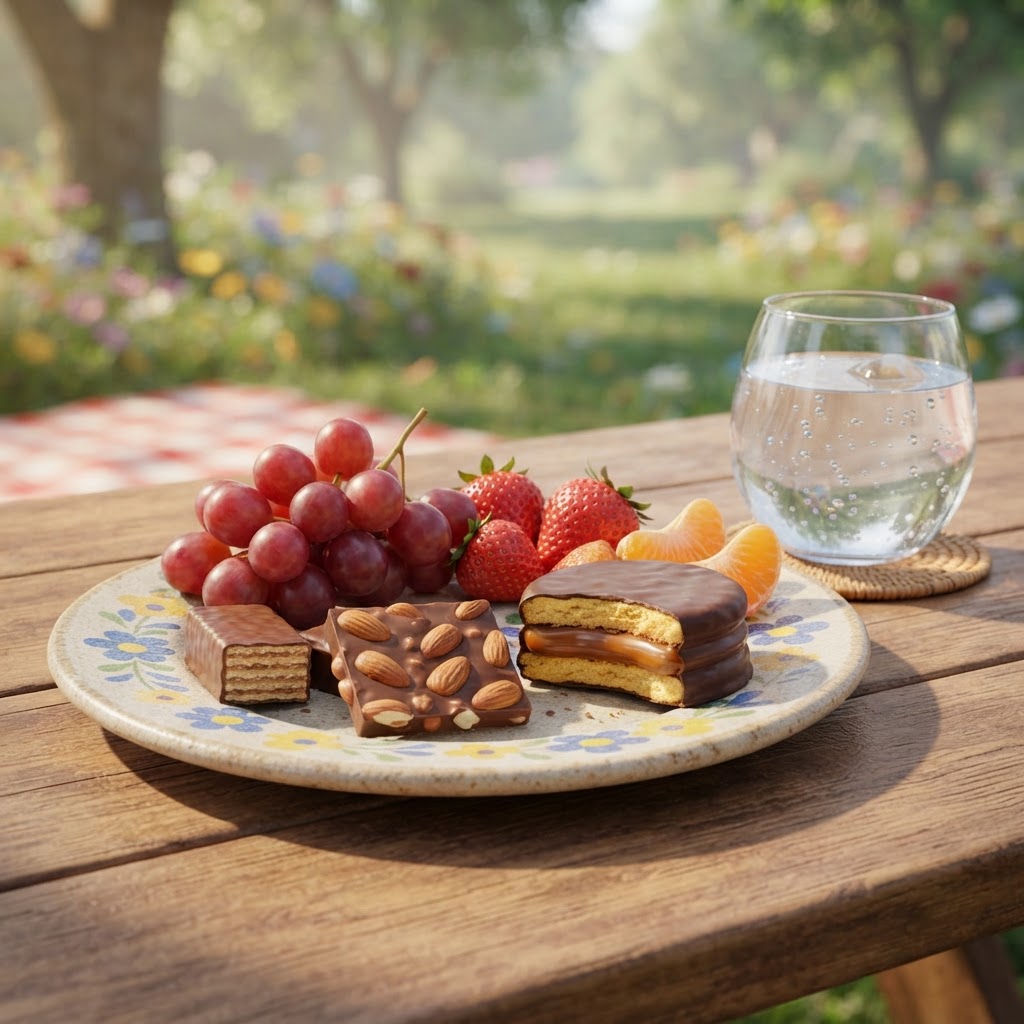
Chile has familiar treats such as Super 8, Sahne-Nuss chocolate, and Chocman. An alfajor is another sweet snack you might know!
A wafer can be crunchy. Chocolate can be sweet. Try saying, “This wafer is crunchy!”
Enjoy treats in small amounts. Water and fresh fruit are great snack-time choices, too. Ask an adult to check ingredients if you have a food allergy.
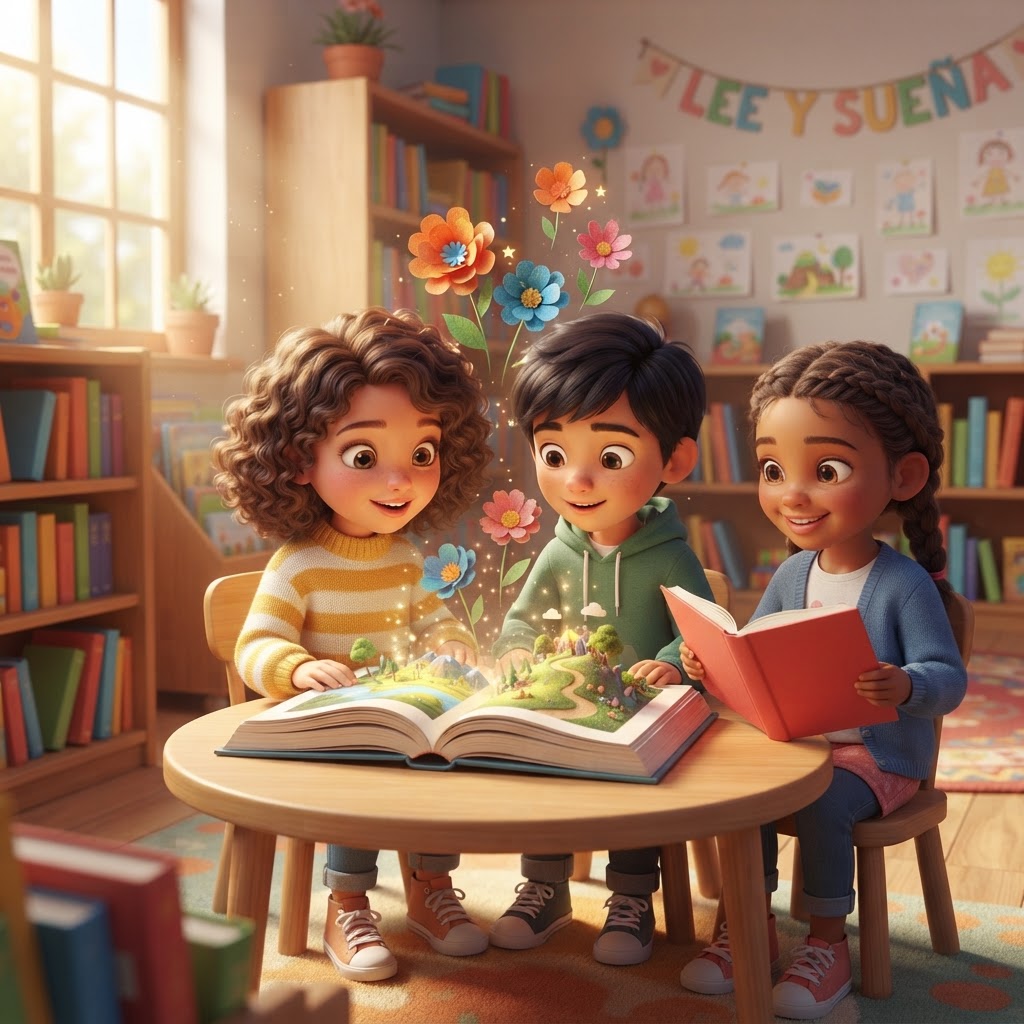
Books & Stories
Ready for a reading adventure? Papelucho by Marcela Paz follows a curious Chilean boy. Matilda by Roald Dahl tells the story of a clever girl who loves books. Dog Man by Dav Pilkey mixes comics, silly jokes, and adventures.
Choose a book that feels right for you with help from a teacher, librarian, or family member. Try an English edition or a short English story from your library.
Reading mission: Find one new word. Draw it, say it, and write a sentence!
Music & Dance
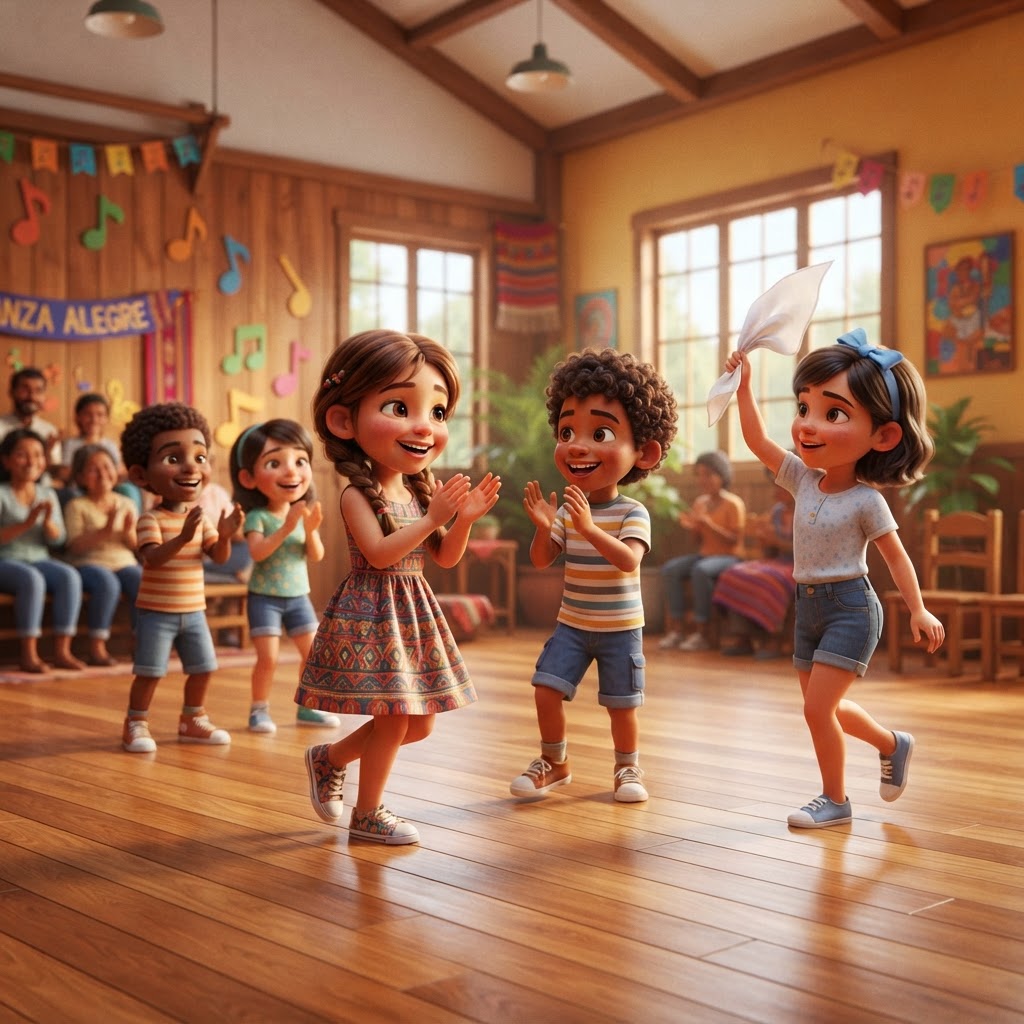
Clap, step, and smile! Songs from 31 Minutos are a familiar part of Chilean children's music. Family-friendly movie songs, such as “Try Everything” from Zootopia, can make English practice fun.
You can also enjoy Chilean cueca music. Ask a family member to show you a simple step!
Dance challenge: Say “clap,” “step,” and “turn” as you move. Keep the volume comfortable and leave space around you.
Hobbies & After-School Fun
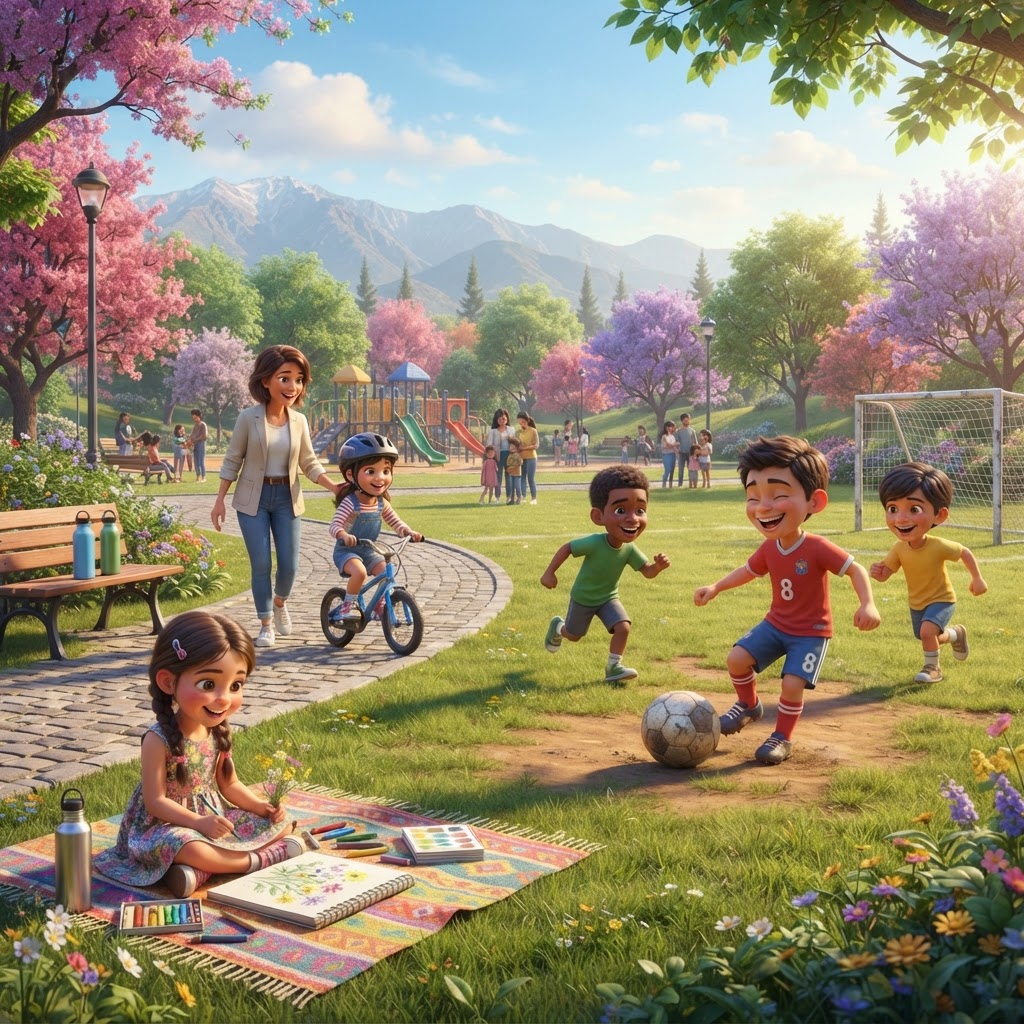
Football, cycling, drawing, and making crafts are fun choices for many children in Chile. On this spring Saturday, you could draw a flower or play football with friends.
Wear a helmet when cycling. For outdoor fun, use sun protection and bring water. Stay in a safe place with permission from a trusted adult.
Say your hobby: “I like drawing.” “I like cycling.” “I like playing football.” What do you like?
School Subjects Vocabulary
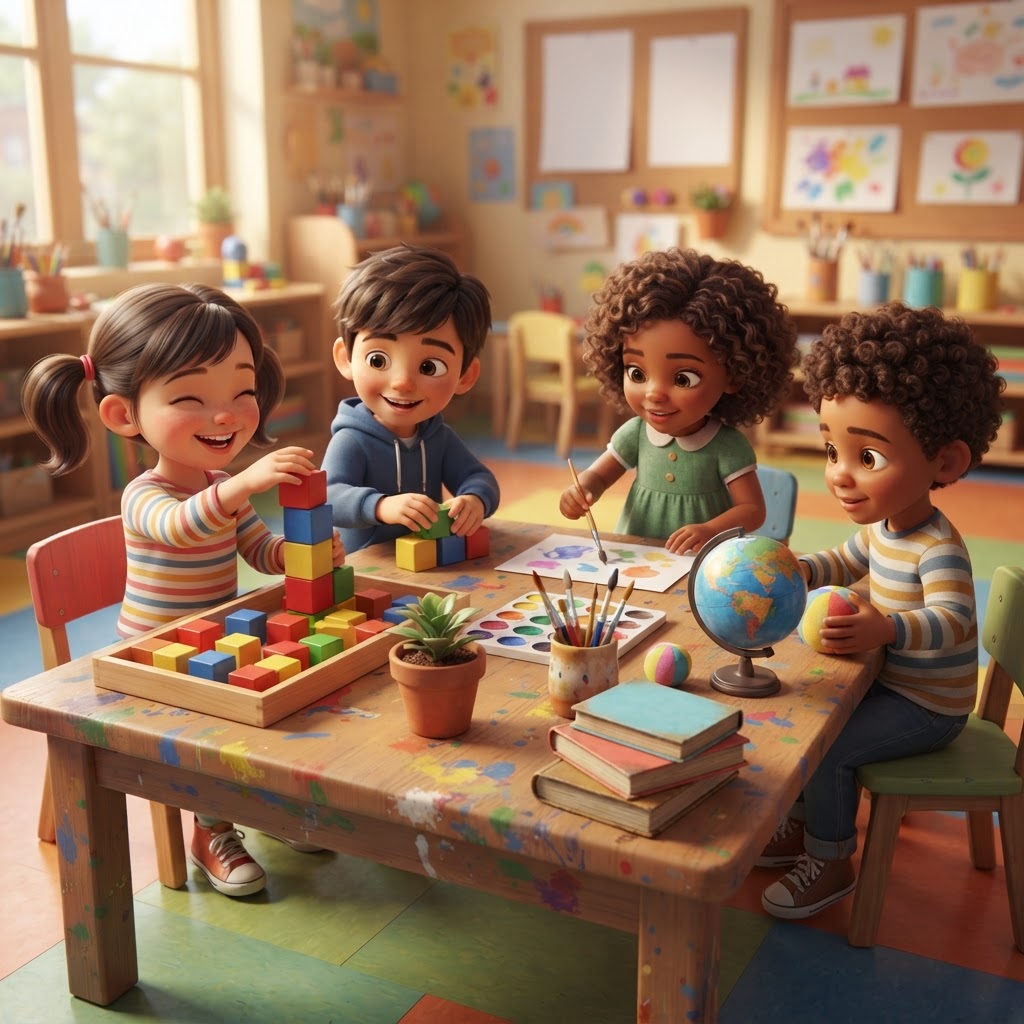
Your English backpack is ready! Practice these school subjects:
- Math — Matemáticas: “I count shapes in math.”
- Science — Ciencias: “We learn about plants in science.”
- History — Historia: “We learn about the past in history.”
- Geography — Geografía: “I find Chile on a map in geography.”
- Language arts — Lenguaje y Comunicación: “We read stories in language arts.”
- English — Inglés: “I learn new words in English.”
- Art — Artes Visuales: “I draw a flower in art.”
- Physical education (PE) — Educación Física: “We play games in PE.”
Your turn: “My favorite subject is _____.”
Grammar Power-Up
1. I like + verbo con -ing
Para decir que te gusta una actividad, usa I like y un verbo terminado en -ing. Por ejemplo, draw se convierte en drawing.
English: “I like drawing.”
Español: “Me gusta dibujar.”
2. I can + verbo en su forma base
Usa I can para expresar algo que puedes o sabes hacer. Después de can, el verbo va en su forma base, sin to y sin -ing.
English: “I can dance.”
Español: “Puedo bailar.”
Quick Quiz
Choose one answer for each question. You can look back at the post!
Which character enjoys imaginative games?
A. Bluey
B. Matilda
C. PapeluchoWhat should you wear when cycling?
A. A party hat
B. A helmet
C. A crownIn which subject do we learn about plants?
A. History
B. Art
C. Science
Show the answers!
1. A — Bluey enjoys imaginative games.
2. B — A helmet helps protect your head.
3. C — We learn about plants in science.
Great work, explorer! Share one English sentence with someone today.