
Your English Adventure Starts Here!
Today is 6 October 2026. It is spring in Chile! Can you see flowers or hear birds near your home? Today, let’s explore cartoons, toys, treats, and school words. Read, imagine, and try a little English. You can do it!
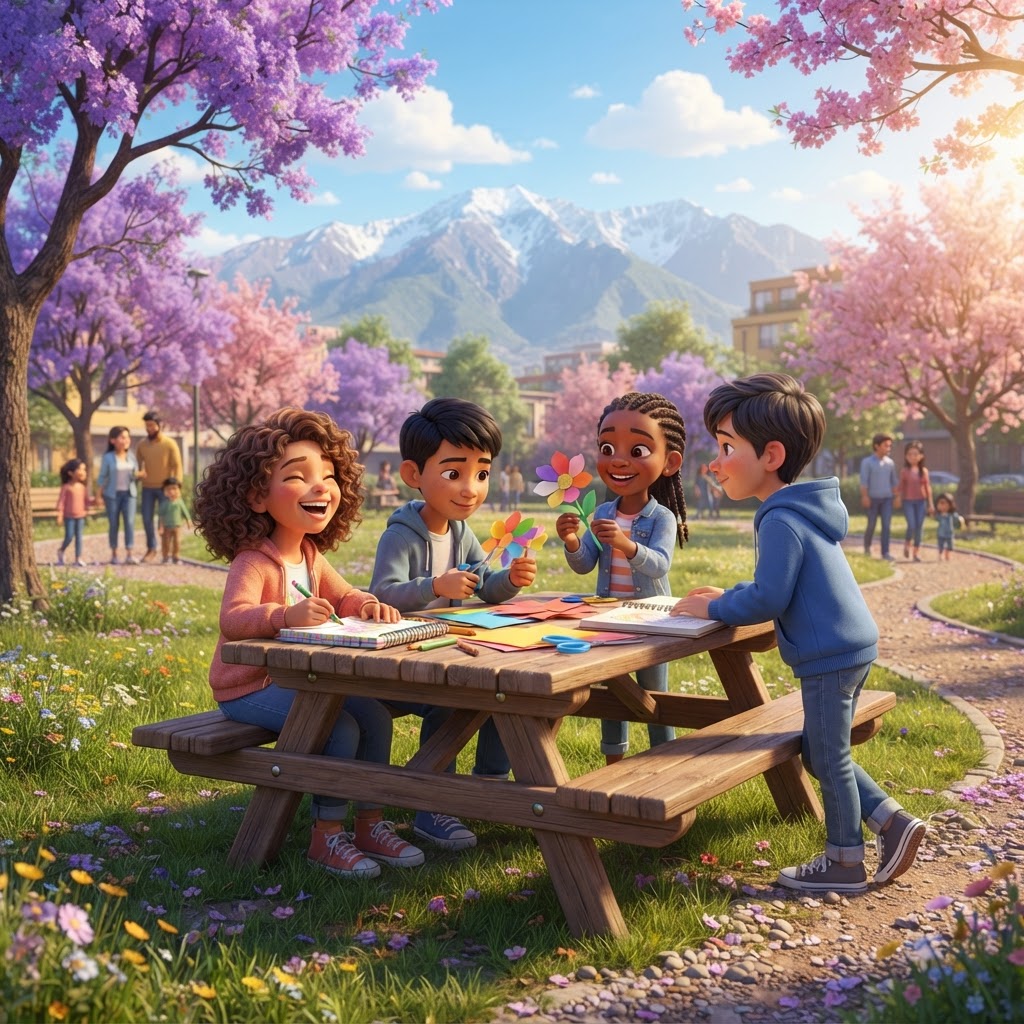
Cartoons Kids Are Watching in Chile
What cartoons do you enjoy? Familiar choices for children in Chile include Bluey, Pokémon, and SpongeBob SquarePants. Favourites change, and different families watch different shows!
Bluey enjoys imaginative games with her family. Pokémon stories feature adventures and teamwork. SpongeBob has funny adventures under the sea.
Say it: “My favourite cartoon is Bluey.” Which character makes you laugh?
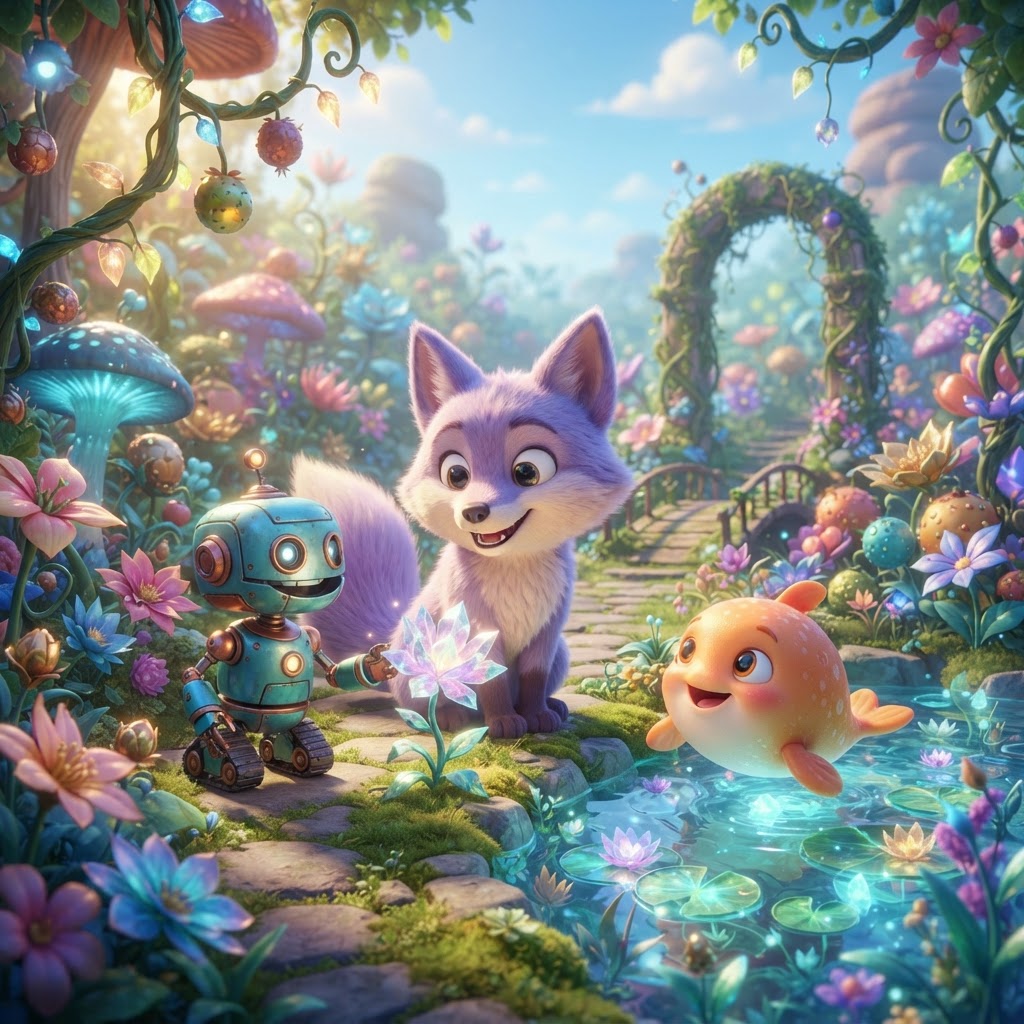
Toys & Collectibles
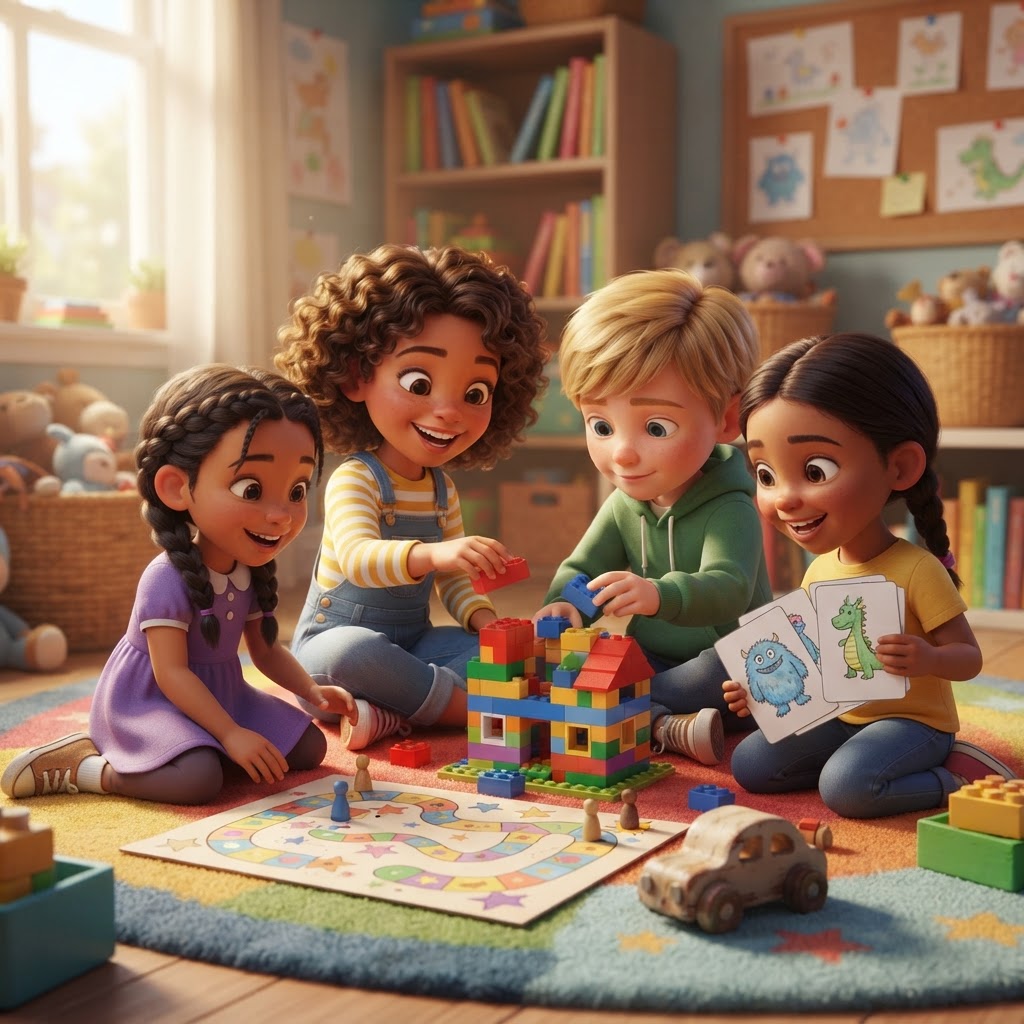
Building bricks, toy cars, Pokémon cards, and board games are fun choices for playtime. You do not need a big collection to have fun!
Build a tiny house, make a road for a toy car, or play a board game with your family. You can also draw your own imaginary creature cards.
Say it: “I have a blue car.” If you trade collectibles, ask a trusted adult for help and make sure everyone agrees.
Sweet Treats & Candies
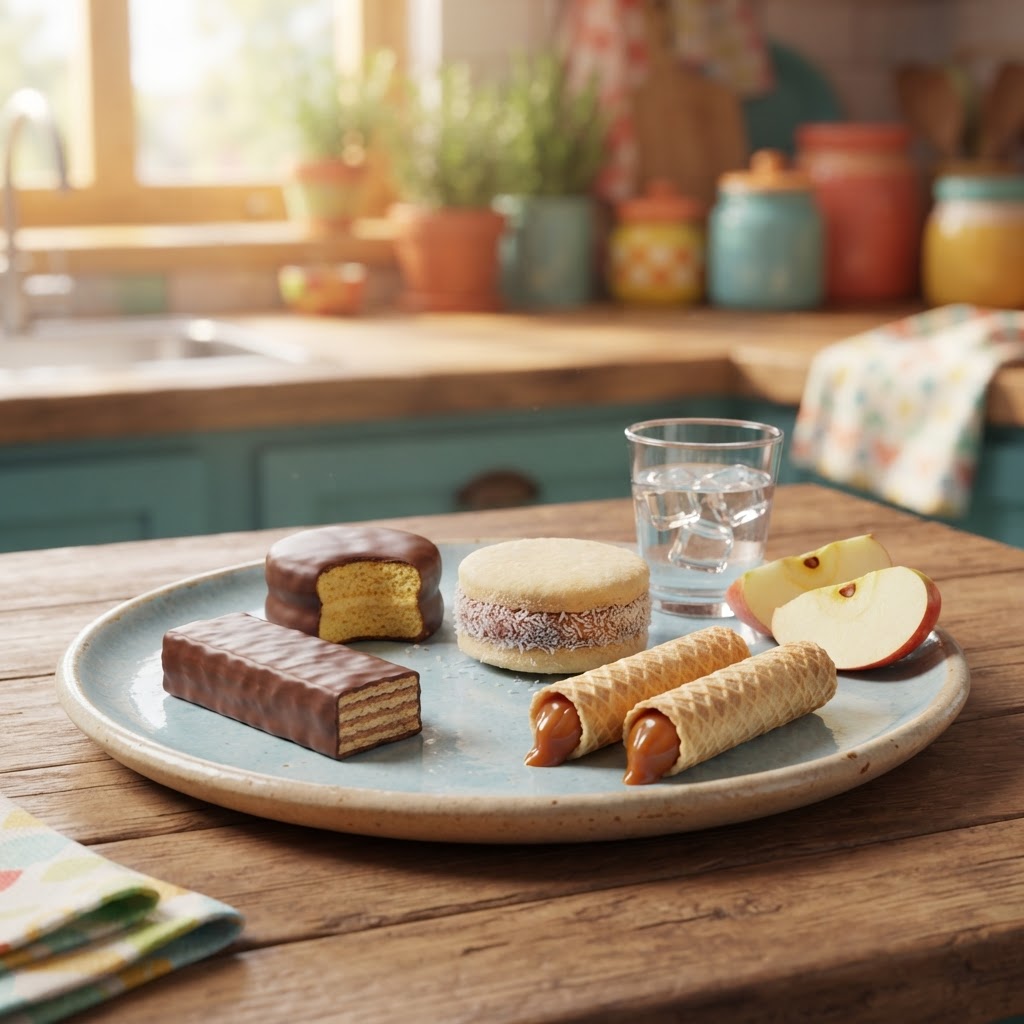
Chile has familiar sweet treats such as Super 8, a chocolate-covered wafer, and Chocman, a chocolate-covered cake snack. An alfajor often has a sweet manjar filling. Cuchuflíes are crunchy wafer tubes, often filled with manjar.
Try these words: sweet, crunchy, and soft. “This wafer is crunchy!”
Treats are for enjoying sometimes. Fruit and water are great everyday choices. Ask an adult to check ingredients if you have a food allergy.
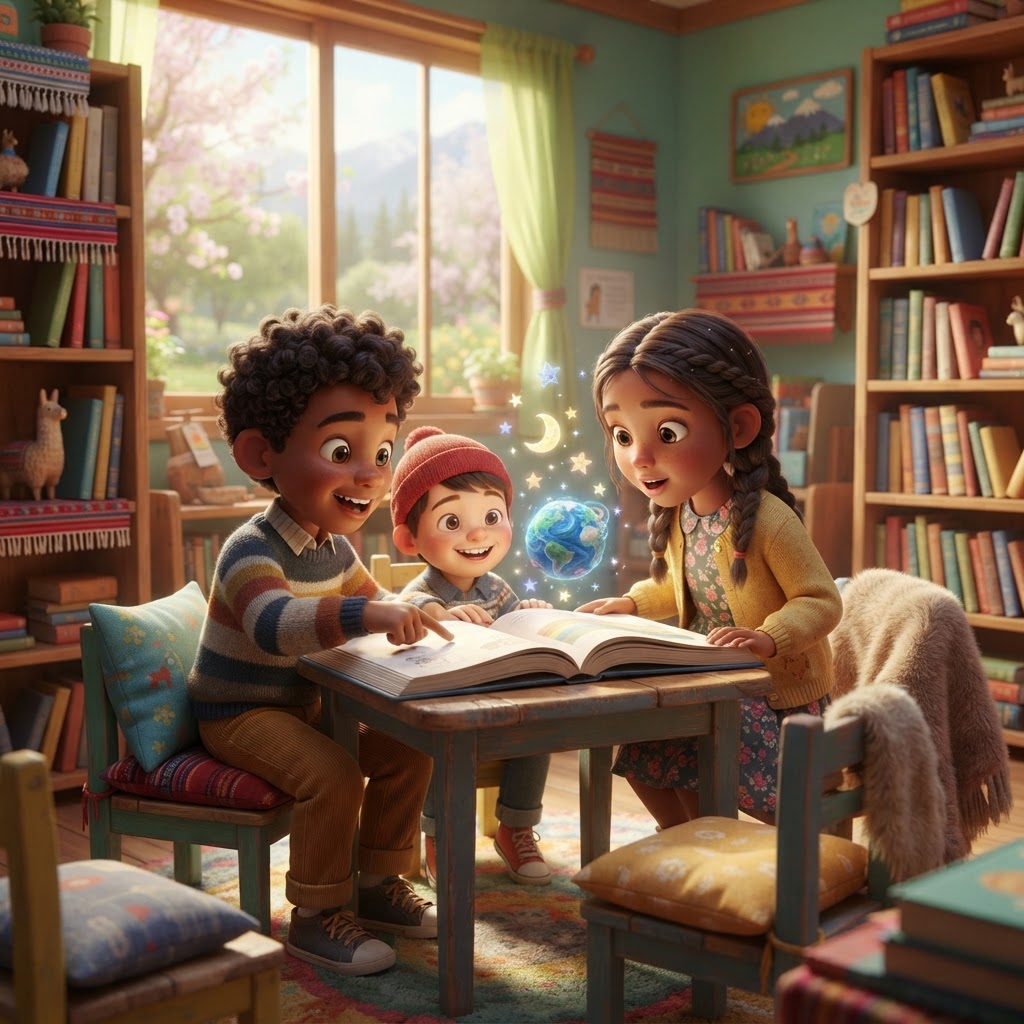
Books & Stories
Try Matilda by Roald Dahl for a story about a clever reader, or The Little Prince by Antoine de Saint-Exupéry for a thoughtful adventure. Papelucho by Chilean author Marcela Paz is another story you can discuss in English, even if you read it in Spanish!
English feels difficult? Choose an illustrated or adapted edition with an adult or librarian. Read a little at a time.
Book challenge: Draw a character and say, “This character is brave,” or “This character is funny.”
Music & Dance
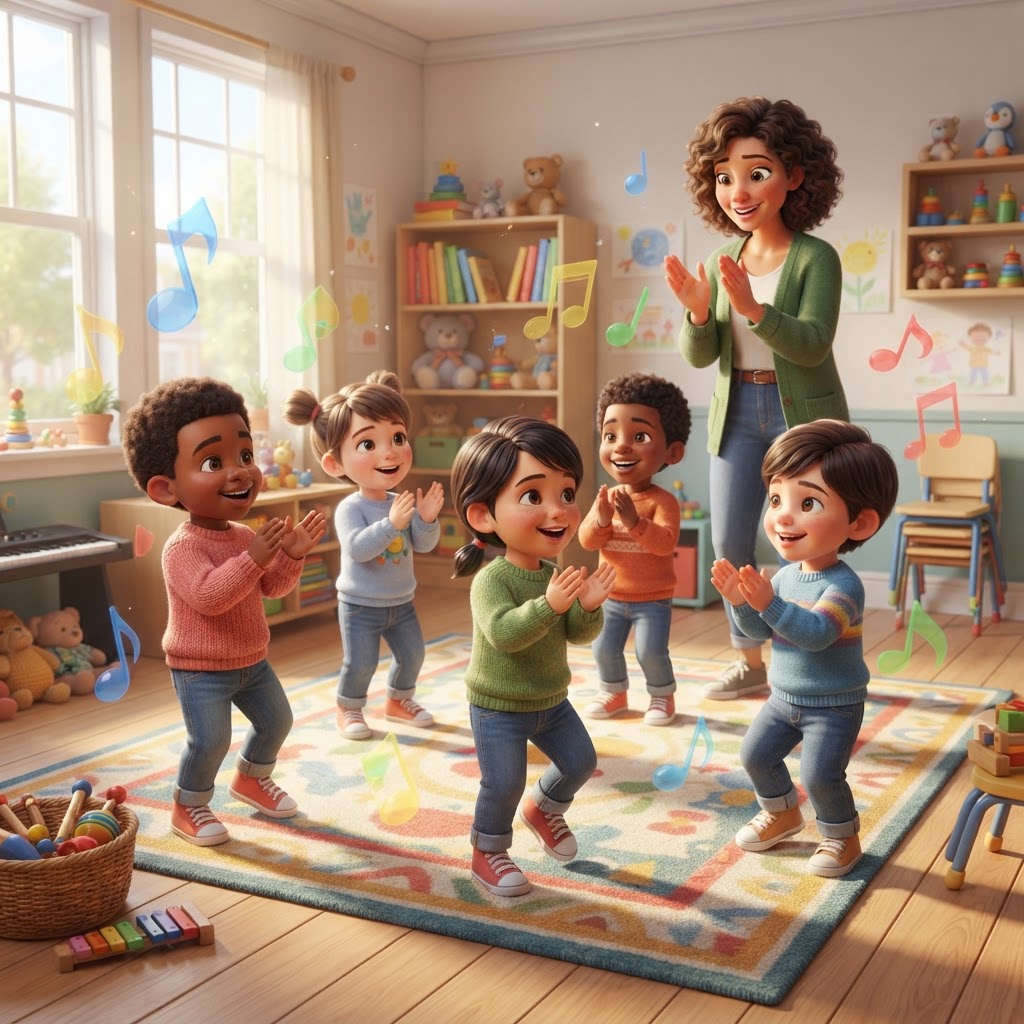
What makes you move: pop, music from animated films, or a familiar Chilean song? Try family-friendly songs from Encanto or Frozen. Songs from Chile’s 31 Minutos can also make music time playful.
These are listening ideas, not a music chart. Ask an adult to help you choose a suitable song or video.
Move and say: “I can clap!” “I can dance!” Make up three gentle dance moves and teach them to a friend.
Hobbies & After-School Fun
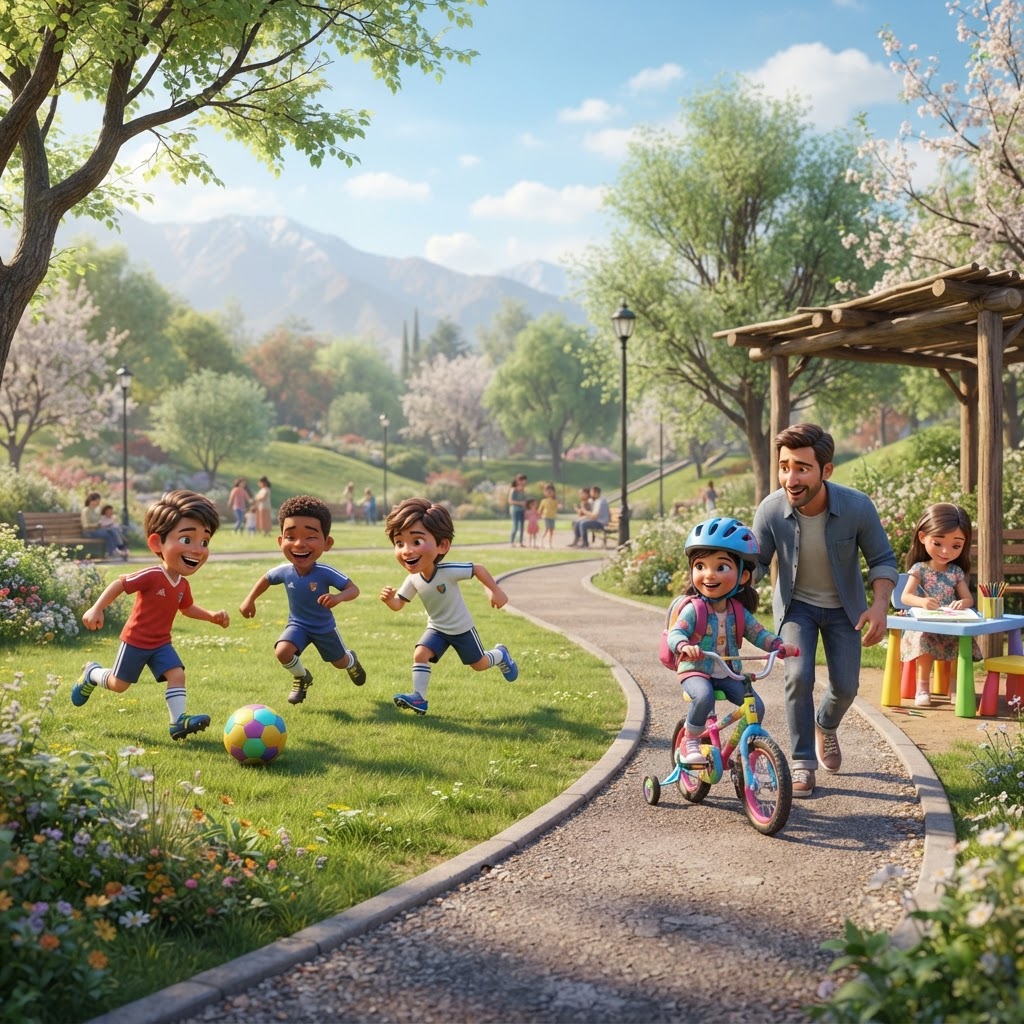
Spring is a lovely time for football, cycling, drawing, and gardening. Some children enjoy skating or making paper crafts, too.
Wear a helmet when cycling or skating, and choose a safe place with a trusted adult. For indoor fun, make a paper flower or draw a spring garden.
Ask a friend: “Do you like drawing?” Answer: “Yes, I do!” or “No, I don’t.” It is okay to like different things.
School Subjects Vocabulary
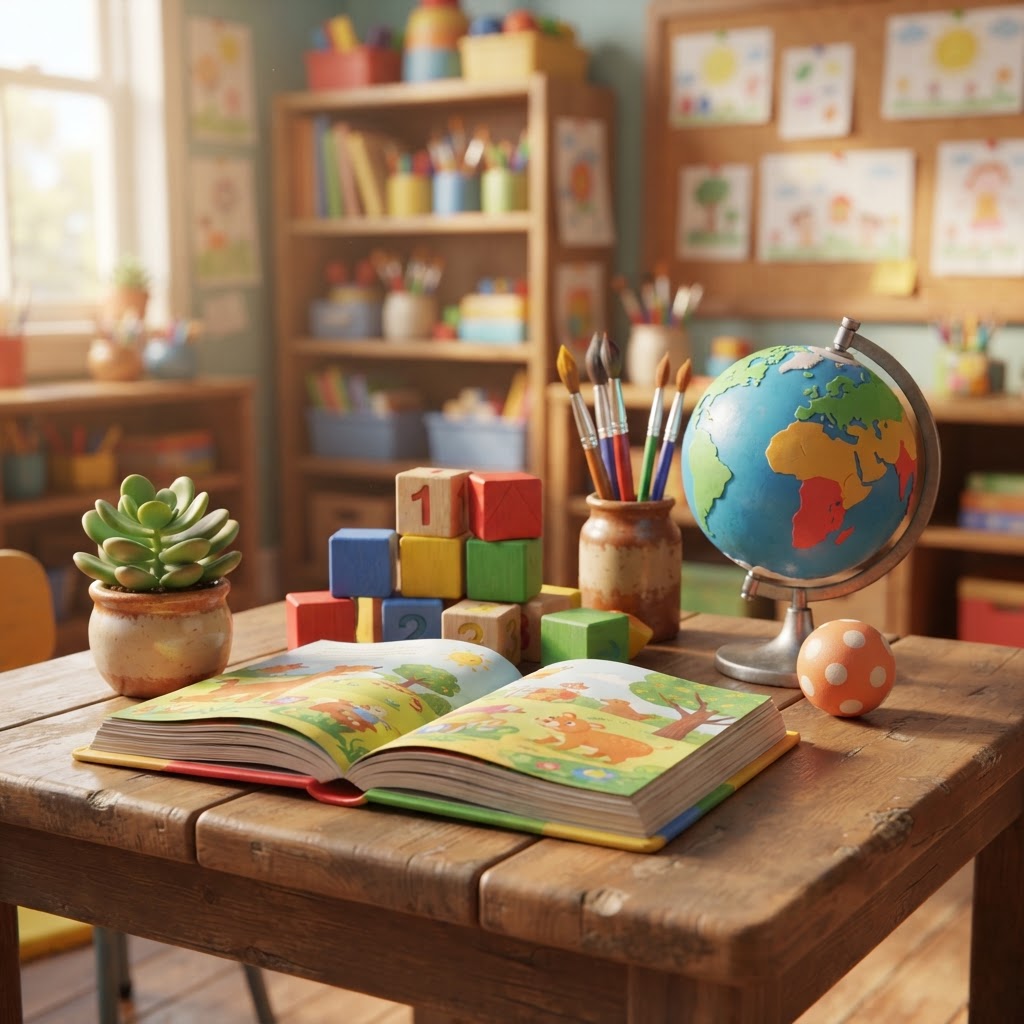
Learn these school words. Which subject do you like?
- Math — Matemáticas: “In math, we add numbers.”
- Science — Ciencias: “In science, we learn about plants.”
- Language Arts — Lenguaje y Comunicación: “In language arts, we read stories.”
- History — Historia: “In history, we learn about the past.”
- Art — Artes: “In art, I draw a colourful bird.”
- Physical Education (PE) — Educación Física: “In PE, we play games and move.”
- English — Inglés: “In English, I learn new words.”
Grammar Power-Up
1. I like + actividad con -ing
Para decir que te gusta una actividad, puedes usar I like y un verbo terminado en -ing. Por ejemplo, draw se convierte en drawing.
English: “I like drawing.”
Español: “Me gusta dibujar.”
2. Can + verbo en su forma base
Usa can para expresar una habilidad. Después de can, el verbo va en su forma base, sin to y sin -s. Para decir que no puedes hacer algo, usa can’t.
English: “I can dance.”
Español: “Puedo bailar.”
English: “I can’t skate yet.”
Español: “Todavía no puedo patinar.”
Quick Quiz
Read, choose, and smile!
Which cartoon character enjoys imaginative games with her family?
A. SpongeBob
B. Bluey
C. PikachuWhat are cuchuflíes?
A. Crunchy wafer tubes
B. Toy cars
C. StorybooksIn which subject do we learn about plants?
A. Art
B. History
C. Science
Check your answers!
1: B — Bluey. 2: A — Crunchy wafer tubes. 3: C — Science.
Great effort! Choose one new English sentence and say it to someone today.