
Spring Fun in Chile: English Power-Up!
October 7, 2026
Hello, English explorers! It is spring in Chile. Ready for stories, games, and new words? Read a little, say the examples aloud, and try our quick quiz. You do not need perfect English. Every new word is a small win!

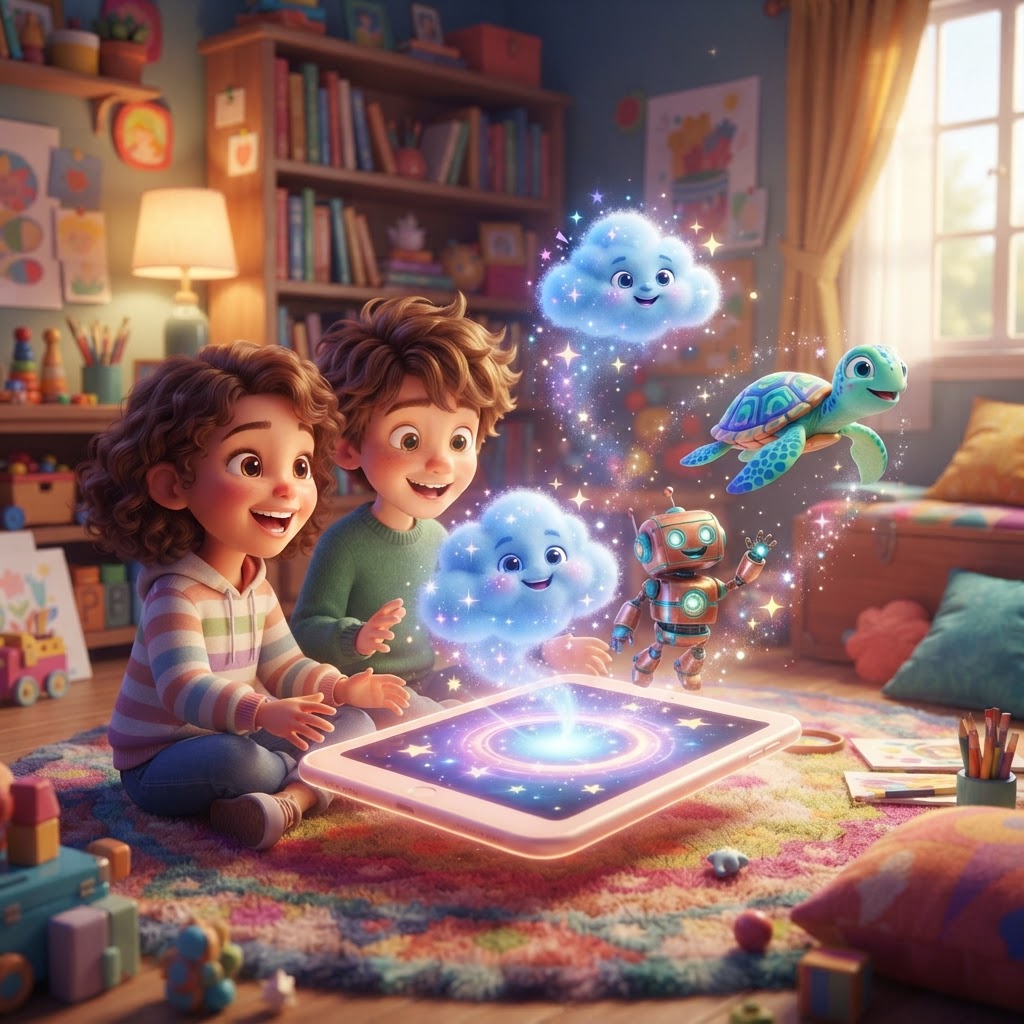
Cartoons Kids Are Watching in Chile
What cartoons do you watch? Familiar choices for children in Chile include Bluey, Pokémon, and SpongeBob SquarePants. These are examples to explore, not a live popularity ranking. Shows and available episodes can change.
Bluey turns everyday life into imaginative games. Pokémon has adventures and teamwork. SpongeBob has silly underwater stories!
Say it: “My favorite cartoon is funny.” Ask a friend: “What is your favorite cartoon?”
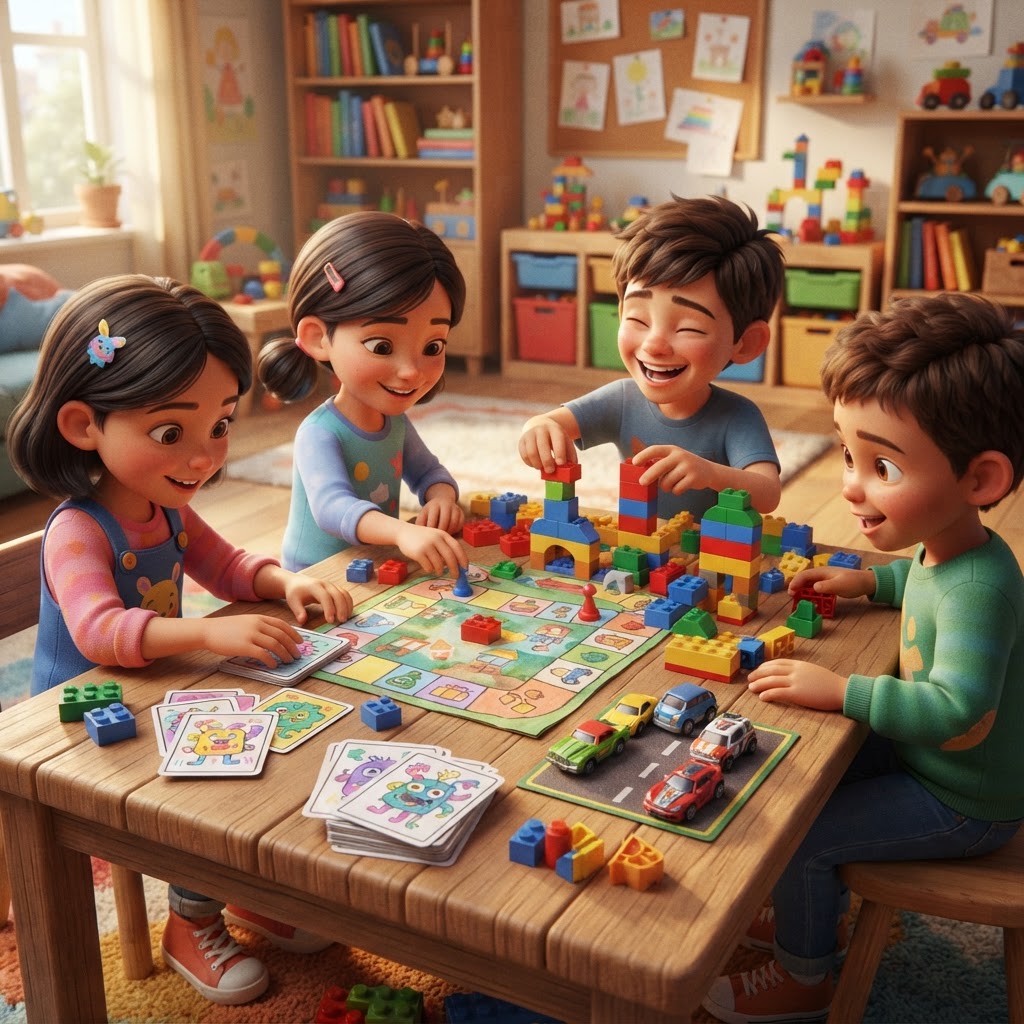
Toys & Collectibles
Trading cards, building bricks, toy cars, and board games are familiar playtime choices. Pokémon cards can be fun to sort by color or character. Building bricks can become a spaceship, a house, or a tiny school!
You do not need to buy something new. Make paper cards or build a game with things you already have. Ask an adult before buying or trading collectibles.
Say it: “I have three cards.” “Let's build a colorful house!”
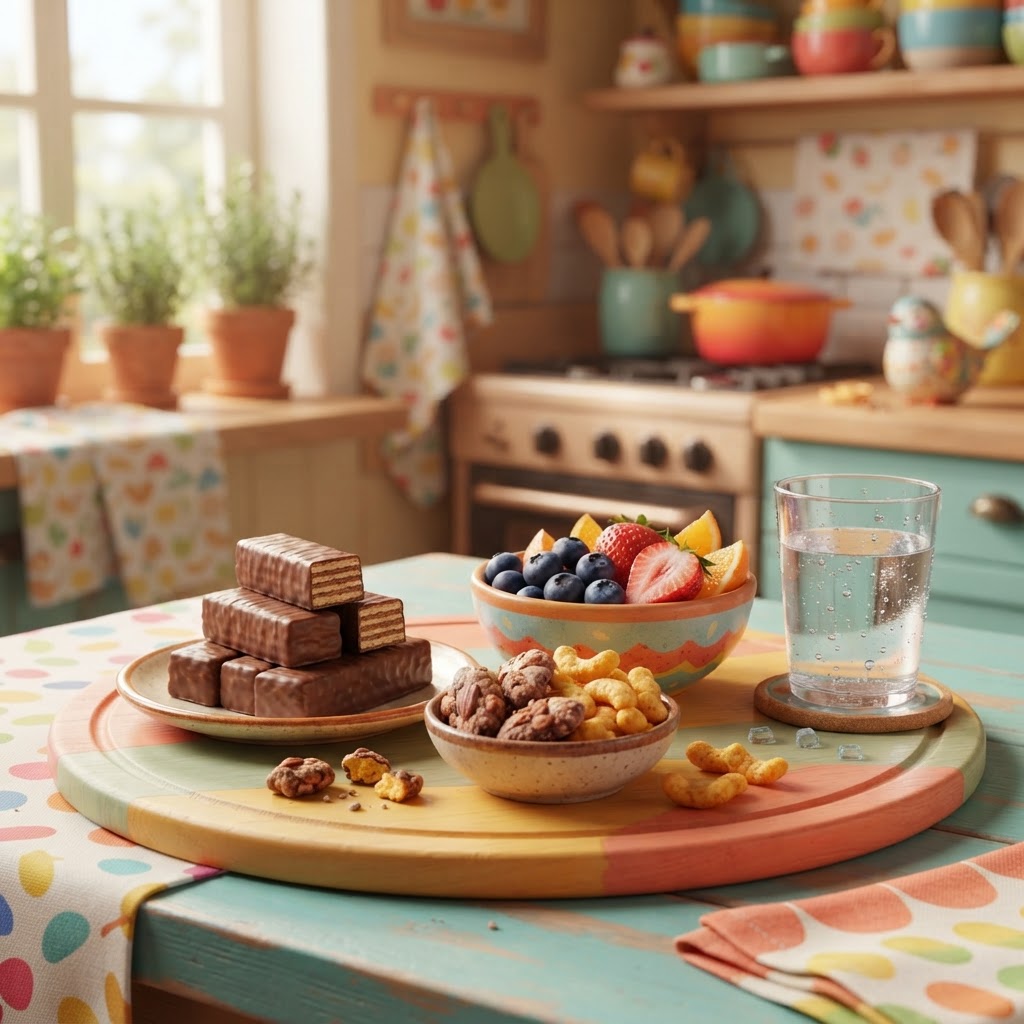
Sweet Treats & Candies
Do you know Super 8, Sahne-Nuss, or chuflitos? These are familiar snacks in Chile. Super 8 is a chocolate-covered wafer. Sahne-Nuss is chocolate with almonds. Chuflitos are crunchy corn snacks—not candies!
Enjoy sweets in small amounts. Water and fruit are great everyday choices, too. Check ingredients with an adult if you have a food allergy.
Say it: “The wafer is crunchy.” “This chocolate is sweet.”
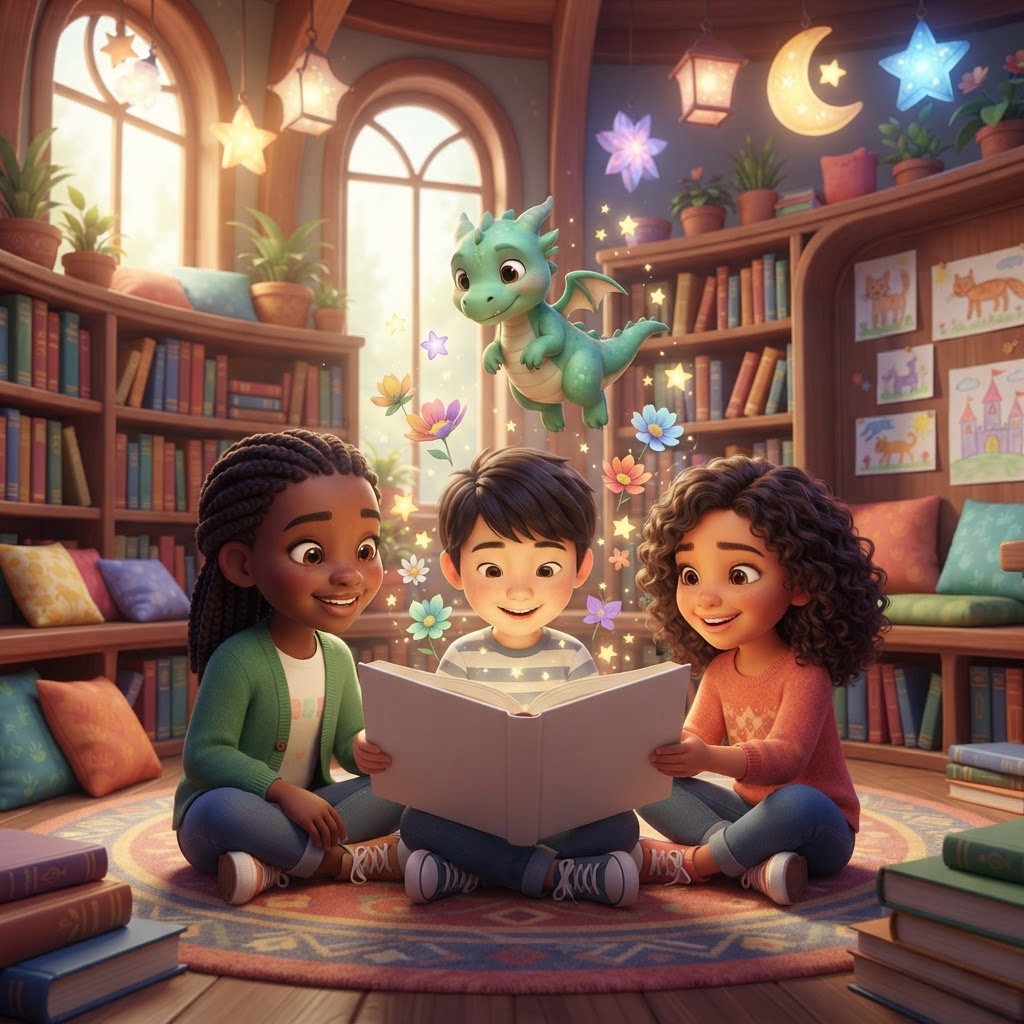
Books & Stories
Open a book and start an adventure! Papelucho, by Chilean author Marcela Paz, follows a curious boy. Matilda, by Roald Dahl, features a girl who loves books. Dog Man, by Dav Pilkey, uses comic pictures and silly adventures.
Choose a book that feels comfortable for you. For English practice, try a short comic or a beginner reader from your library. Pictures can help you understand new words.
Say it: “I read after school.”
Music & Dance
Clap, step, and smile! Family-friendly songs from 31 Minutos are a fun Chilean choice. “Can't Stop the Feeling!” from Trolls is another cheerful dance option. These are familiar suggestions, not today's chart rankings.
Try four gentle steps: step left, step right, clap, and freeze! Give yourself space and keep the volume comfortable.
Say it: “I can dance.” “Let's clap together!”
Hobbies & After-School Fun
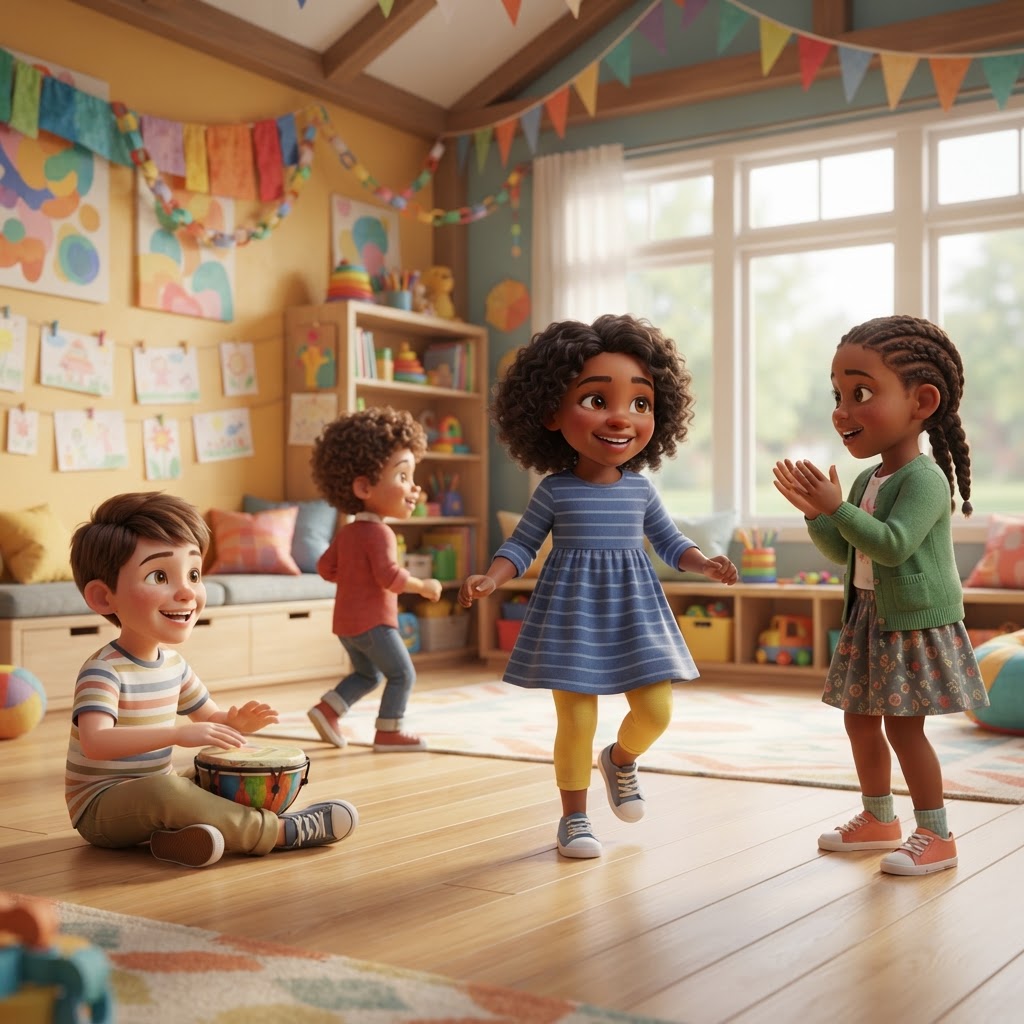
Football, cycling, drawing, and paper crafts are fun after-school choices. Play football with friends, draw a spring flower, or fold a paper animal.
Wear a helmet when cycling. For outdoor activities, bring water and use sun protection. Choose a safe place with an adult's help.
Mini mission: Draw your favorite hobby. Then say: “I like drawing,” or “I like playing football.”
School Subjects Vocabulary
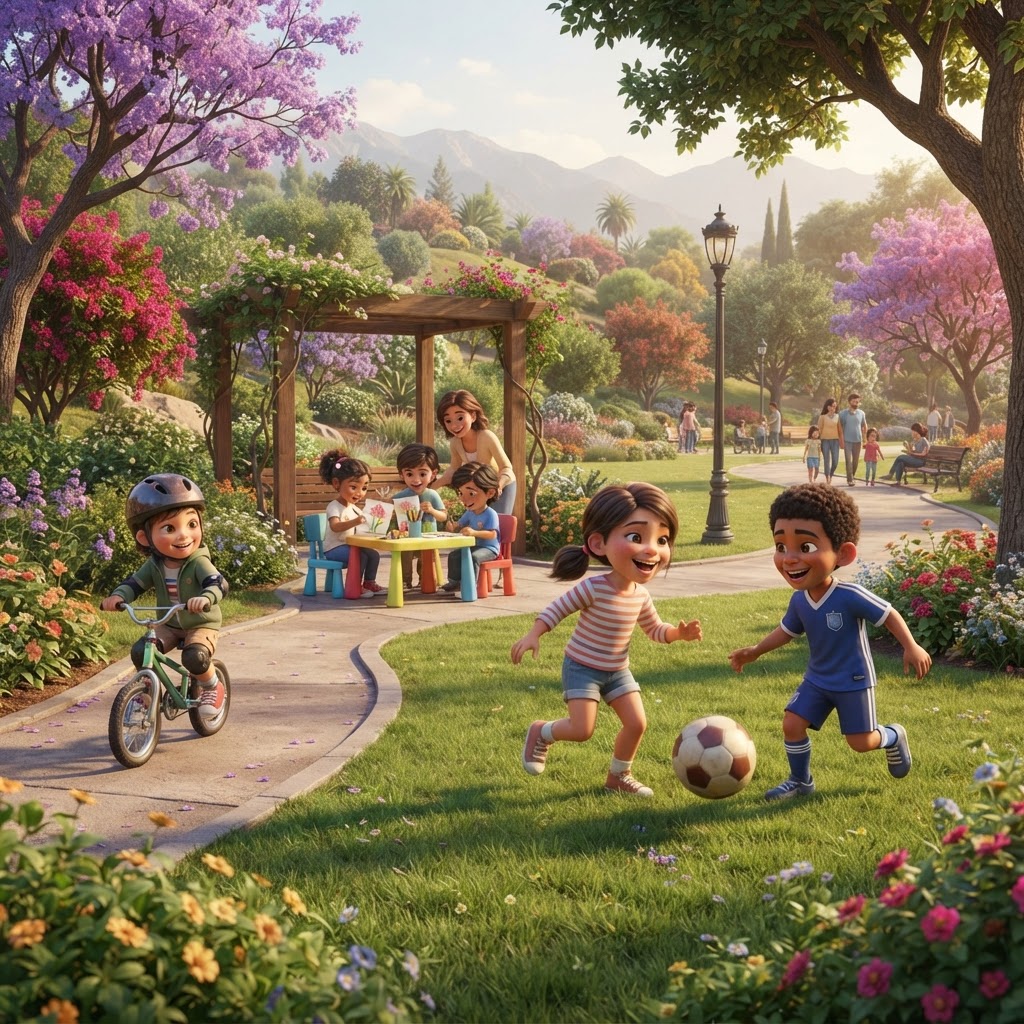
- Math — Matemáticas: “I count ten pencils in math.”
- Science — Ciencias: “We learn about plants in science.”
- History — Historia: “We learn about the past in history.”
- Art — Artes: “I draw a flower in art.”
- Music — Música: “We sing together in music.”
- Physical education (PE) — Educación Física: “We play games in PE.”
- English — Inglés: “I learn new words in English.”
Which subject do you like? Say: “I like science!”
Grammar Power-Up
1. I like + verbo con -ing
Para decir que te gusta una actividad, usa I like seguido de un verbo terminado en -ing. Por ejemplo, read se convierte en reading.
English: “I like reading.”
Español: “Me gusta leer.”
2. Can + verbo base
Usa can para expresar una habilidad. Después de can, el verbo va en su forma base, sin to y sin -s. Para preguntar, coloca can al principio.
English: “I can dance.” / “Can you dance?”
Español: “Puedo bailar.” / “¿Puedes bailar?”
Quick Quiz
Which cartoon turns everyday life into imaginative games?
A. Bluey
B. Pokémon
C. SpongeBob SquarePantsWhich snack is a chocolate-covered wafer?
A. Chuflitos
B. Super 8
C. An appleIn which subject do we learn about plants?
A. History
B. Art
C. Science
Check your answers!
1: A — Bluey. 2: B — Super 8. 3: C — Science.
Great work, explorer! Share one new English sentence with someone today.