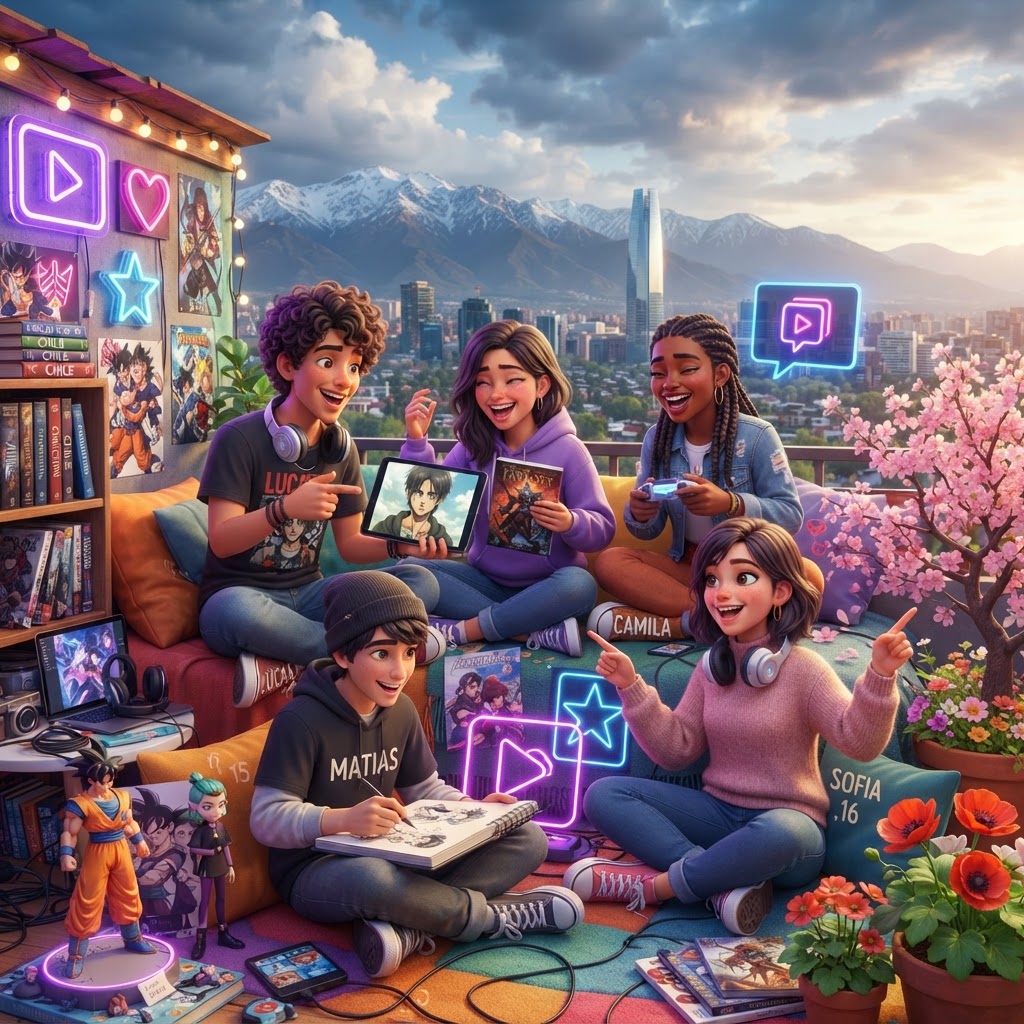
It is September 9 in Chile, which means spring is loading: longer afternoons, changing playlists, chaotic weather, and new-season energy. Let’s learn English through the things living rent-free in your brain.
1. Today's Obsessions
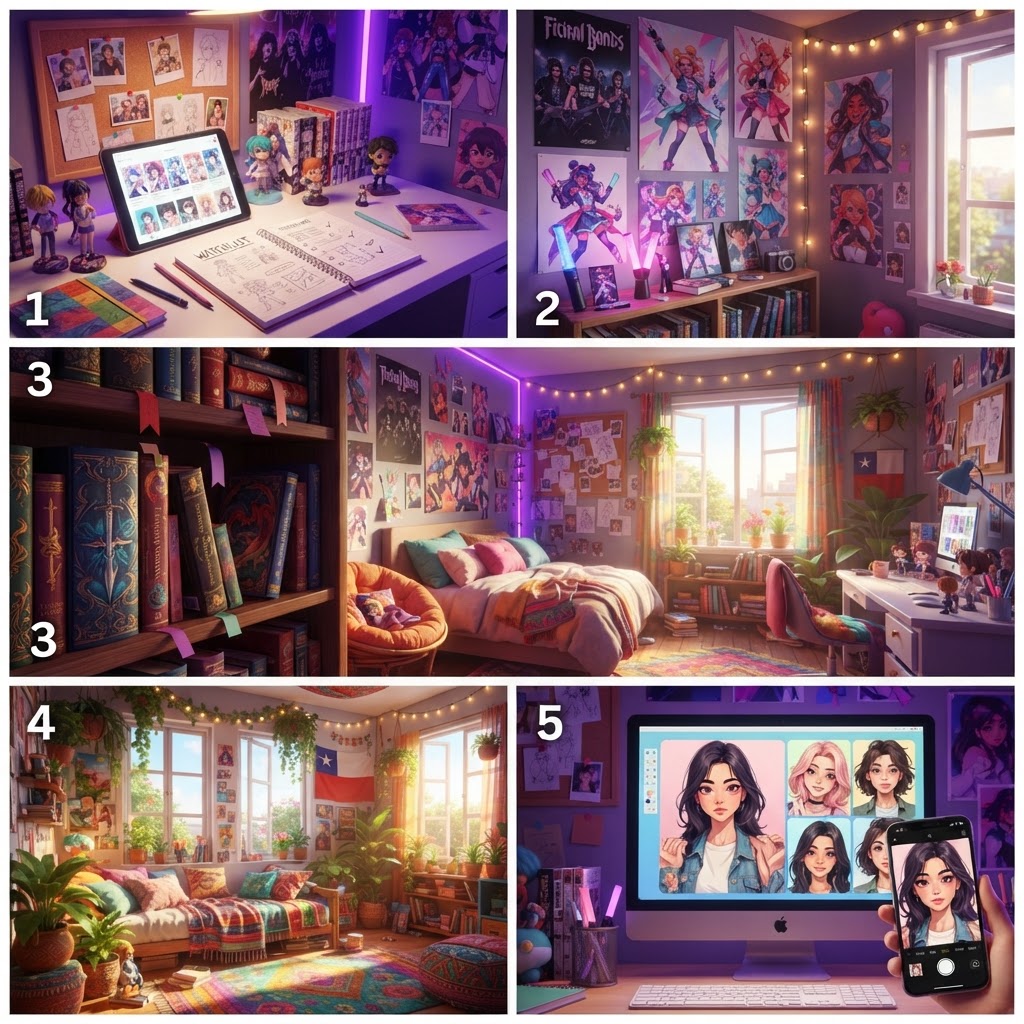
- Anime fall-season hype: Fans are building watchlists, debating trailers, and predicting the next breakout character.
- KPop Demon Hunters energy: The soundtrack, outfits, edits, and chaotic found-family vibes continue to inspire fandom posts.
- BookTok fantasy romantasy: Magical rivalries, morally gray heroes, and dramatic slow burns are still taking over reading lists.
- Spring reset videos: In Chile, it is time for room makeovers, brighter outfits, picnic plans, and the classic four-seasons-in-one-day struggle.
- AI fandom filters: People are turning themselves into anime heroes, fantasy royals, and fictional band members. Fun? Yes. Slightly uncanny? Also yes.
2. English Through Lyrics
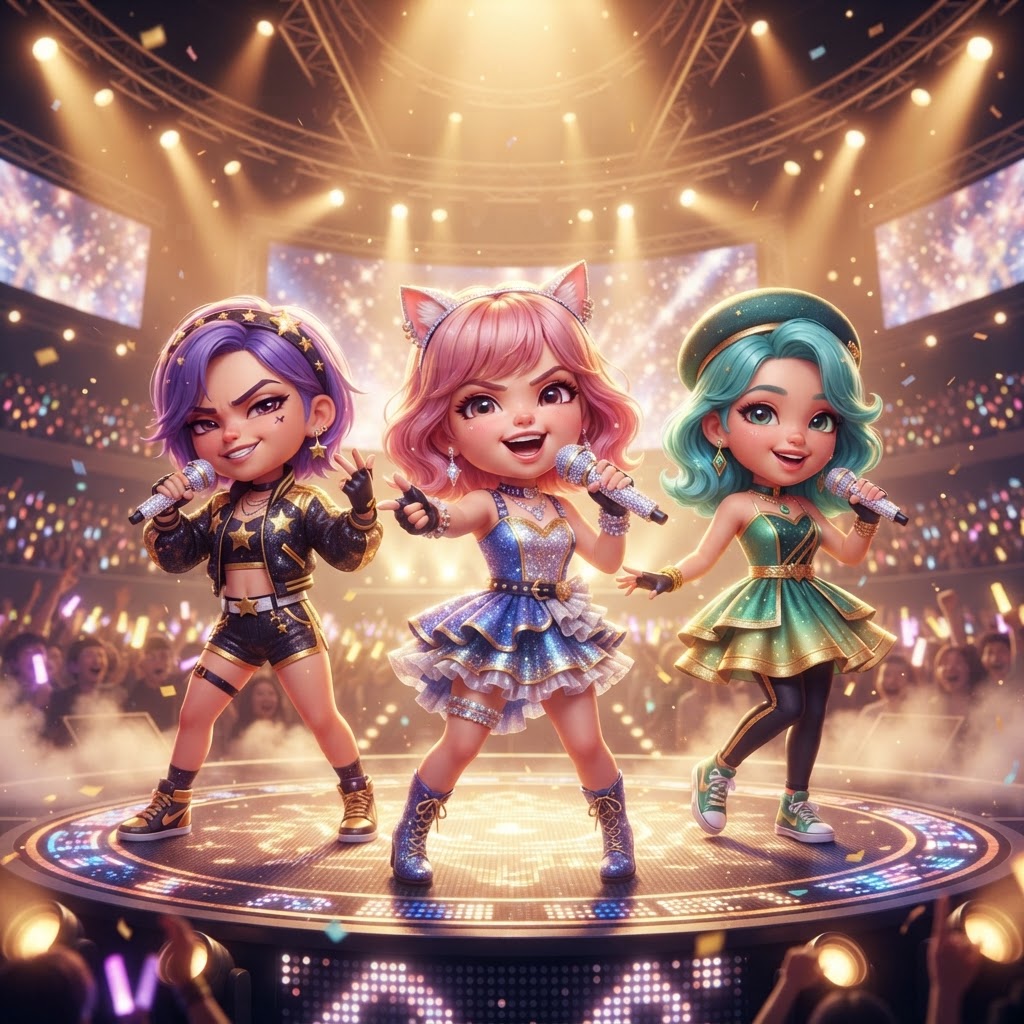
Song: Golden by HUNTR/X from KPop Demon Hunters
This song has confident, emotional, glow-up energy. Its message is about stepping into your power and refusing to hide who you are.
Key vocabulary: golden means valuable or brilliant; voice means both the sound you make and your personal way of expressing yourself; rise means to move upward or become stronger.
Useful idiom: Step into your power means to accept your strength and act with confidence.
Emotional tone: triumphant, hopeful, and vulnerable. It sounds like the final scene where the hero finally believes in themself.
Try this sentence: “I am stepping into my power this spring.” Main-character behavior unlocked.
3. Anime English Corner

Anime pick: Dandadan
Momo believes in ghosts but not aliens. Okarun believes in aliens but not ghosts. They challenge each other to prove who is right, but plot twist: both supernatural worlds are real. Soon, they face bizarre enemies while building a sweet, awkward friendship.
Character adjectives:
- Momo is brave, loyal, and quick-witted.
- Okarun is shy, determined, and caring.
- Their enemies are creepy, unpredictable, and sometimes hilarious.
Fan debate: What makes the story more fun?
Team Supernatural Chaos or Team Awkward Romance? Choose your fighter.
4. Binge Watch English
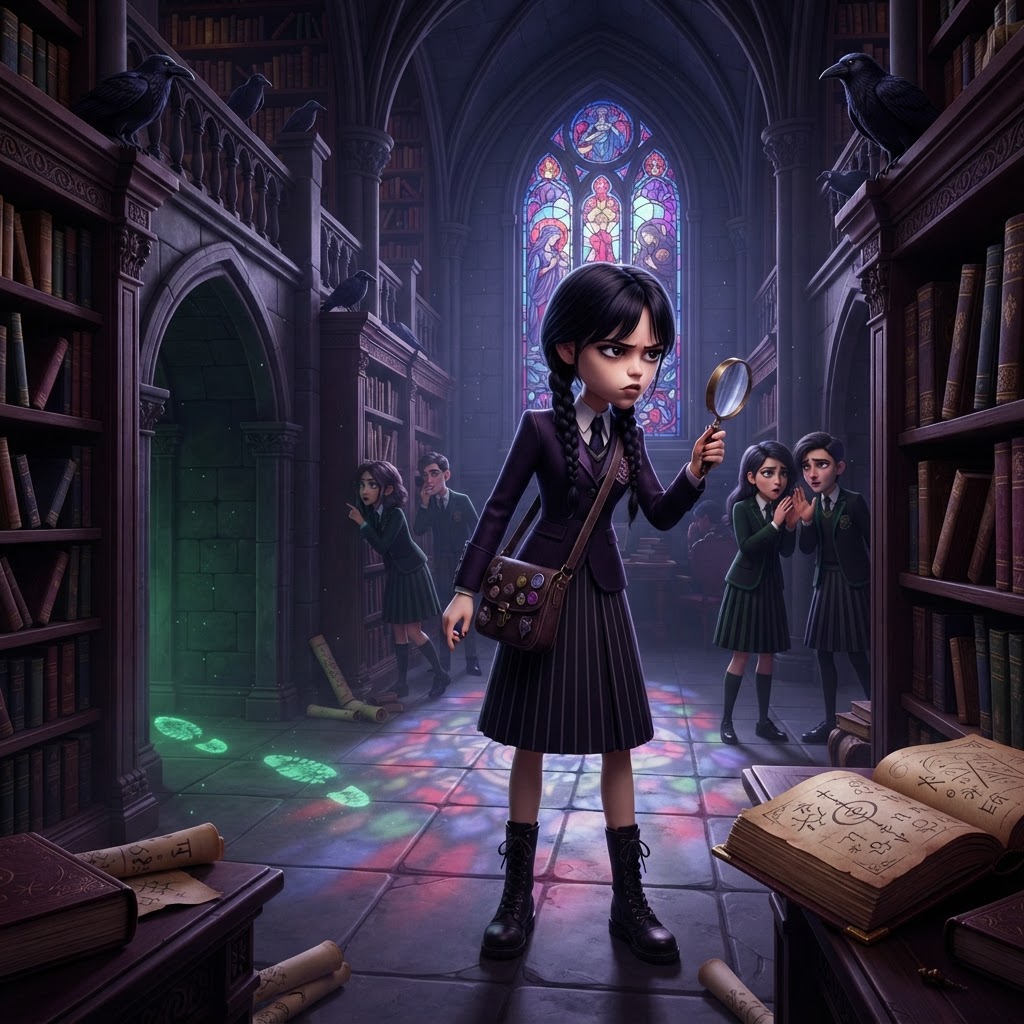
Watch pick: Wednesday
Wednesday Addams studies at Nevermore Academy, investigates mysteries, and tries to survive friendships without becoming too emotionally available. Her deadpan humor makes every conversation iconic.
Slang and useful phrases:
- That is wild: That is surprising or unbelievable.
- Spill the tea: Tell me the gossip or hidden information.
- Sus: Suspicious or untrustworthy.
Mini comprehension task
Why does Wednesday investigate Nevermore’s mysteries?
A. She loves school homework. B. She wants to uncover the truth. C. She wants to become a singer.
5. Pop Culture Tea in English
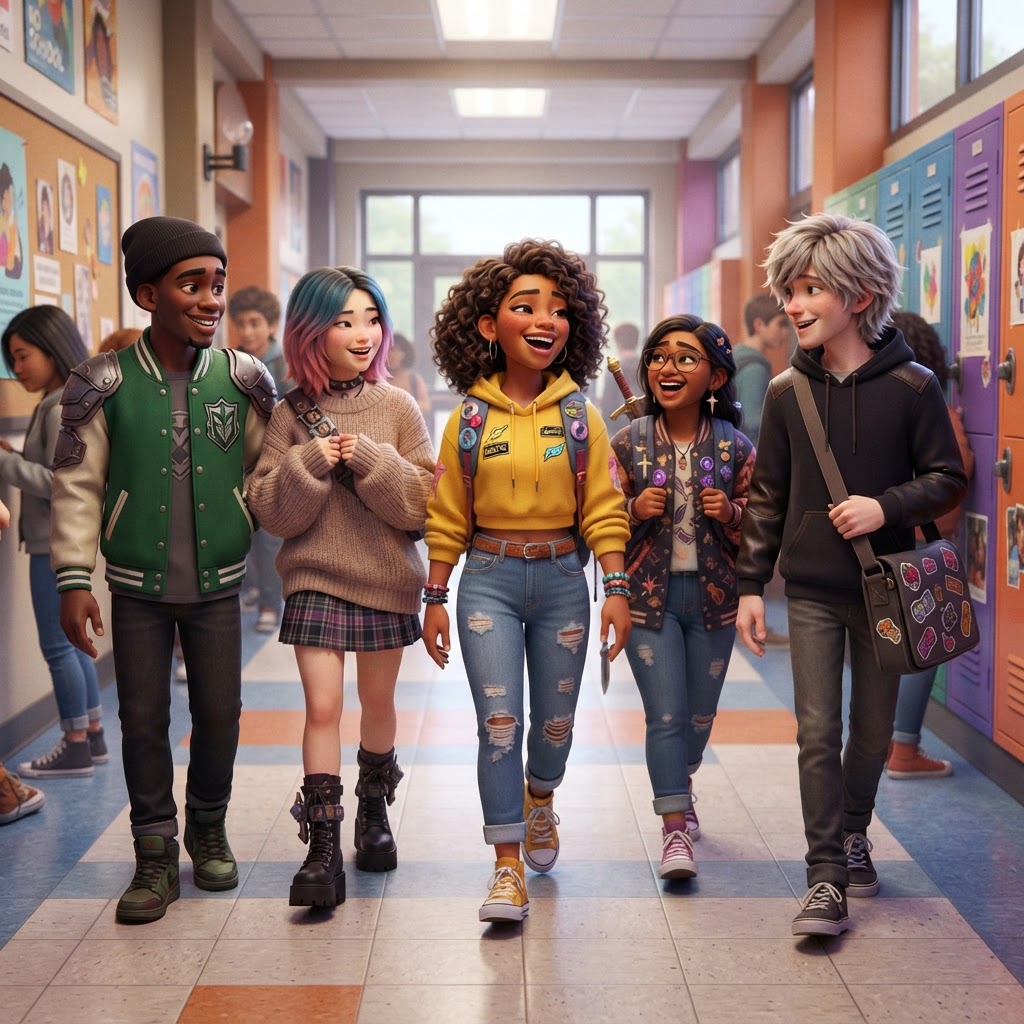
Soft tea alert: fandom fashion is becoming everyday fashion. Clothes inspired by anime uniforms, fantasy armor, pop-star stages, and fictional characters keep appearing in outfit videos. Instead of copying a costume exactly, fans use colors, accessories, and makeup to create a subtle reference.
This style is often called character-inspired fashion. It lets people show their identity without wearing a full cosplay to math class.
Learner headline: “Fans turn fictional worlds into wearable looks.” Here, wearable means practical enough to wear in normal life.
6. BookTok & YA Bestsellers
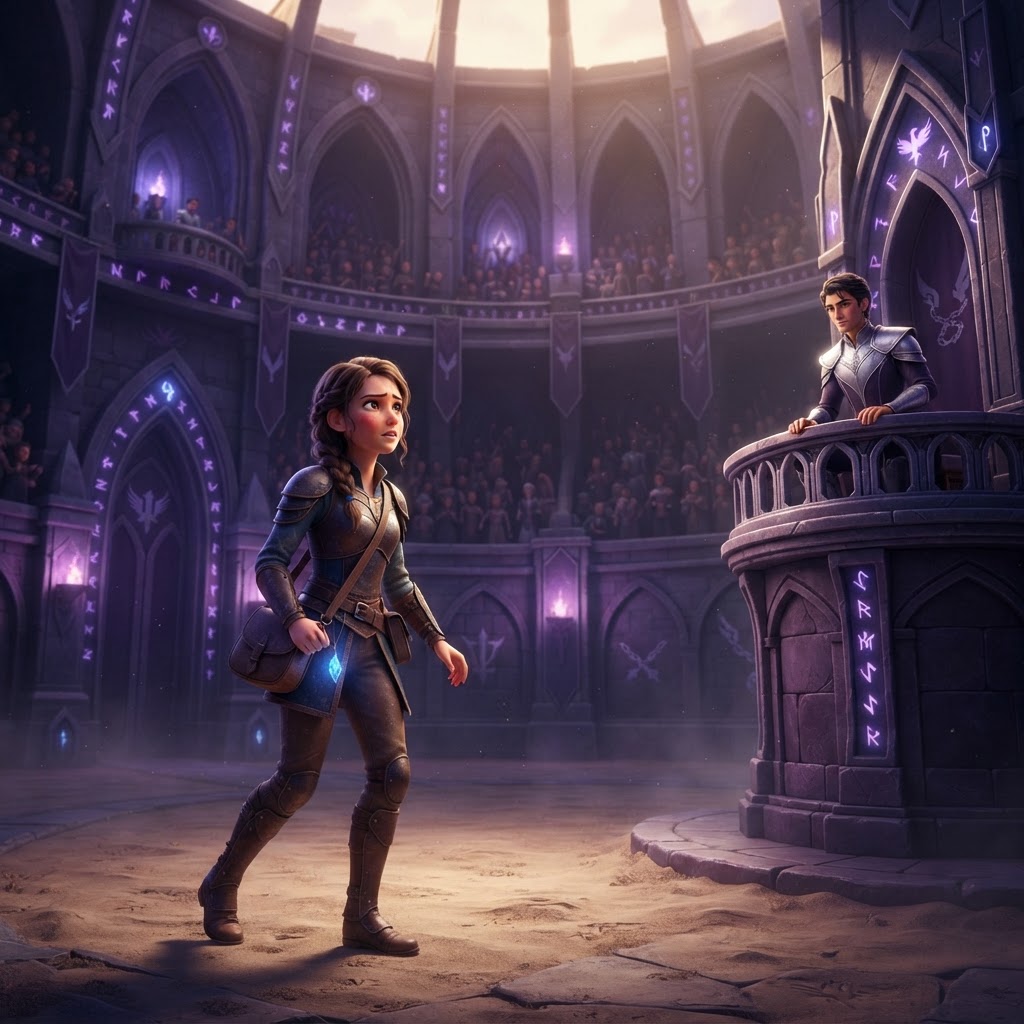
Book pick: Powerless by Lauren Roberts
In a kingdom where powerful people have special abilities, Paedyn must hide the fact that she has none. After saving a prince, she enters dangerous trials and becomes involved in secrets, rebellion, and a very complicated attraction.
Themes: identity, power, inequality, survival, and enemies-to-lovers tension.
- Ability: a skill or power someone has.
- Rebellion: organized resistance against authority.
- Outsmart: to defeat someone by thinking more cleverly.
This is for readers who say “one more chapter” and then accidentally meet the sunrise.
7. Which One Are You?
Your group finds a glowing portal after school. What do you do?
- Enter immediately. Consequences are tomorrow’s problem.
- Research it first and create a survival plan.
- Film it because the group chat needs evidence.
- Say “absolutely not,” then follow everyone anyway.
Mostly 1: The Chaotic Hero.
Mostly 2: The Smart Strategist.
Mostly 3: The Fandom Chronicler.
Mostly 4: The Reluctant Bestie with secret protagonist energy.